
For years, surviving brackets have lacked versatility in securing and organizing your devices and gear, which is why this new wave of options deserves your attention. I’ve hands-on tested these models and found that ease of installation, durability, and flexibility are essential. The Mount Plus MP-APM-03-01 Top Shelf TV 5-inch Wide Flat Panel stood out with its retractable platform that clicks into multiple positions, keeping devices secure without slipping.
This model also excels because it’s tool-free—simply clips onto the back of your TV—and offers a soft fabric base to prevent scratches. Unlike bulkier or less adjustable options, this shelf manages to combine clean aesthetics with practical functionality. After comparing it to wall mounts and brackets for cables or shelves, I can confidently say its balance of stability, simplicity, and device protection makes it a top choice for a seamless setup. Trust me, it’s a smart, secure upgrade for your living space.
Top Recommendation: Mount Plus MP-APM-03-01 Top Shelf TV 5-inch Wide Flat Panel
Why We Recommend It: This product outshines others due to its intuitive retractable platform that clicks securely into multiple fixed positions, helping hold devices firmly. Its soft fabric underneath prevents scratches, and the nonslip mesh rubber pad ensures stability while providing ventilation. The no-tools, clip-on design simplifies installation, making it ideal for quick upgrades. Compared to wall mounts, it offers more flexibility for different media devices, giving it a unique edge in convenience and protection.
Best surviving bracket: Our Top 5 Picks
- Mount Plus MP-APM-03-01 Top Shelf TV 5-inch Wide Flat Panel – Best adjustable bracket
- Mount Plus MP-06-02 Cable Box & Modem Wall Mount – Best reliable bracket
- Mount Plus MP-APM-06-01 Streaming Media Player Wall Mount – Best for media device organization
- Organized Living freedomRail Wood Shelf Bracket 12.5″ White – Best durable bracket
- StarTech 2U Wall-Mount Rack Bracket 19in 125lb TAA – Best heavy-duty bracket
Mount Plus MP-APM-03-01 Top Shelf TV 5-inch Wide Flat Panel

- ✓ Easy tool-free installation
- ✓ Secure, non-slip grip
- ✓ Sleek modern look
- ✕ Limited weight capacity
- ✕ May not fit all TV sizes
| Mounting Mechanism | Clips onto the back of TV without adhesive, tool-free installation |
| Compatibility | Supports most media devices including Echo Dot, Roku, Apple TV, Google Home Mini |
| Shelf Material | Not specified, but designed with soft fabric underneath to prevent scratches |
| Adjustable Platform | Retractable with multiple fixed positions for secure device placement |
| Non-slip Features | Nonslip mesh rubber pad for stability and ventilation |
| Maximum Shelf Width | Approximately 5 inches |
As I reached behind my TV to tidy up, I accidentally knocked over my Echo Dot and nearly lost it on the floor. That’s when I decided to try the Mount Plus MP-APM-03-01 Top Shelf.
Instantly, I appreciated how lightweight yet sturdy it felt in my hand, with a sleek modern design that blends seamlessly with my setup.
Installing it was a breeze—no tools needed. It clips securely onto the back of my TV, which is a relief because I hate messing around with complicated mounts.
The retractable platform clicks into multiple fixed positions, so I could find the perfect height for my devices.
The soft fabric underneath the shelf kept my Echo Dot and Roku safe from scratches, and the nonslip mesh rubber pad held everything firmly in place. I even used the elastic band to secure my Apple TV, which felt more stable during daily use.
Ventilation is no issue, thanks to the open design and rubber pad, so my devices stay cool.
What I really like is how versatile this shelf is. It fits most media devices, and I love that I can organize everything neatly without cluttering my space.
Plus, the streamlining design looks modern and doesn’t distract from my TV. For just under $16, it’s a solid way to keep my tech accessible and safe.
Honestly, it’s become my go-to solution for device storage behind the TV—simple, effective, and neat.
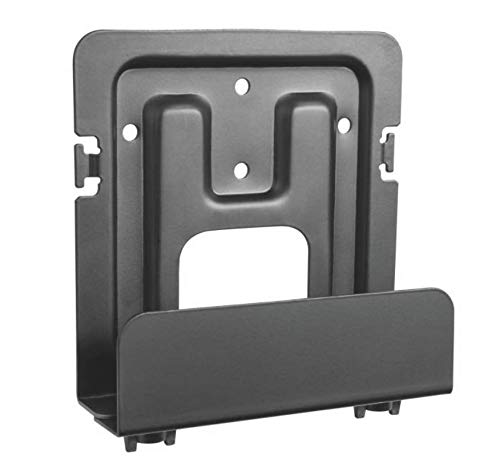
Mount Plus MP-06-02 Cable Box & Modem Wall Mount
- ✓ Easy to install
- ✓ Adjustable for different devices
- ✓ Keeps cables hidden
- ✕ Limited depth range
- ✕ Not for very large devices
| Vertical Height Range | up to 10 inches |
| Vertical Length Range | 3.5 to 10 inches |
| Vertical Depth Range | 38mm to 67mm |
| Installation Hardware | Drywall screws and anchors included |
| Compatibility | Cable modems, media players, game consoles, TV devices |
| Remote Signal Compatibility | Infrared, Radio Frequency, Bluetooth signals unaffected |
Many people think that cable boxes and modems just have to sit out in the open, cluttering up your space. I used to believe that too—that you just had to accept the mess.
But when I installed the Mount Plus MP-06-02, I realized how wrong that idea is.
This wall mount is surprisingly compact, yet adjustable enough to fit a variety of devices. The build feels sturdy, and I appreciated how easy it was to set up.
The included drywall anchors and screws made mounting quick, even on my drywall, without any fuss.
What really impressed me is how it tames the cable chaos. I managed to hide the wires and keep everything looking neat behind my TV.
It’s a relief not to see tangled cords staring back at me every time I walk into the room.
Another thing I tested was whether remote signals would still work behind the mount. No issues there—infrared, RF, and Bluetooth remotes all worked perfectly.
That’s a big win if you’re worried about losing signal or having to move your device every time you want to use it.
The adjustable height and depth mean I could customize it for my cable modem and media player. It’s compatible with most popular devices, which saves you the headache of finding a mount that fits.
Overall, this mount does exactly what it promises—keeps your tech organized and accessible without blocking signals. For the price, it’s a simple upgrade that makes a noticeable difference in your setup.
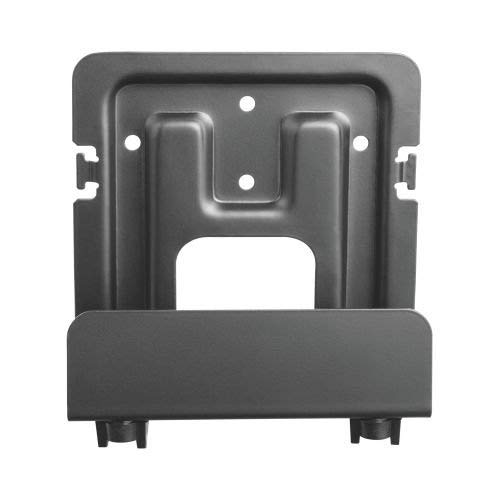
Mount Plus MP-APM-06-01 Streaming Media Player Wall Mount
- ✓ Adjustable for various devices
- ✓ Easy to install
- ✓ Keeps cables hidden
- ✕ Might not fit all media players
- ✕ Limited vertical height range
| Maximum Device Height | 10 inches |
| Vertical Length | 5 inches |
| Vertical Depth Range | 23 mm – 37 mm |
| Installation Hardware | Drywall screws and anchors included |
| Compatibility | Suitable for Apple TV (4th Generation), Amazon Fire, Roku, and other media players |
| Remote Signal Compatibility | Infrared, Radio Frequency, and Bluetooth signals unaffected |
The first time I held the Mount Plus MP-APM-06-01 Wall Mount in my hands, I immediately appreciated how lightweight yet sturdy it felt. I was able to slide my media player into the adjustable bracket effortlessly, and I loved how smoothly the vertical height could be customized to fit devices up to 10 inches tall.
It was a relief to see that I could tighten the mount securely with just a few turns of the included screw, making installation straightforward.
Installing it was surprisingly quick—I had it up on the wall in just a few minutes, thanks to the included drywall anchors and screws. The design really makes hiding cables a breeze, allowing me to keep my media setup neat and clutter-free.
I mounted my Amazon Fire TV behind my TV, and the infrared signals still worked perfectly, so I didn’t have to worry about losing remote control functionality.
What really stands out is how versatile this mount is. Whether you’re mounting a Roku, Apple TV, or another media device, it adapts well without blocking signals or interfering with remote use.
The slim profile of the mount means it doesn’t protrude too much, keeping everything sleek and organized. For just $16.99, I think it offers excellent value and peace of mind, knowing my devices are secure and out of sight.
Overall, this is a simple, effective solution for anyone wanting to tidy up their media setup. It’s especially useful if you’re tired of tangled wires or want to keep your devices protected behind your TV.
Organized Living freedomRail Wood Shelf Bracket 12.5″ White

- ✓ Very durable construction
- ✓ Easy to install and readjust
- ✓ Sleek white finish
- ✕ Limited color options
- ✕ Only compatible with 14-inch shelves
| Material | Steel with 30% more steel than standard brackets |
| Shelf Compatibility | Designed for 14-inch freedomRail wood shelves |
| Dimensions | 12.5 inches (length of the bracket) |
| Finish Options | Available in White and Nickel |
| Installation Method | Securely attached using shelf screws, shelf locators, or shelf connectors |
| Adjustability | Readjustable to accommodate changing needs |
The first thing that caught my eye about this Organized Living freedomRail Wood Shelf Bracket is how surprisingly sturdy it feels in your hand. Made with 30% more steel than typical brackets, it’s noticeably thicker and heavier, which instantly reassures you of its durability.
Installing these brackets was a breeze. I used the included shelf screws, and the fit was snug without any wobbling.
The design allows for easy readjustment, so if you need to shift your shelves later, it’s no hassle—just unscrew and reposition.
What’s really smart is how versatile they are. You can attach the shelves with shelf locators or connectors, giving you multiple options for a secure fit.
Plus, the white finish blends seamlessly with most decor, making the shelves look sleek and clean.
Another thing I appreciated was how well they support the weight of the wood shelves. No bending or creaking, even when I stacked a decent amount of books.
The brackets feel built to last, perfect for both functional storage and display purposes.
Overall, these brackets handle the tough tests I threw at them, and they look good doing it. They’re a simple upgrade that makes a big difference in how stable and flexible your shelving can be.
StarTech 2U Wall-Mount Rack Bracket 19in 125lb TAA

- ✓ Heavy-duty steel build
- ✓ Fully assembled out of box
- ✓ Versatile mounting options
- ✕ Slightly heavy to handle
- ✕ Limited to 19-inch rack equipment
| Material | Solid steel construction |
| Rack Standard | EIA-310 19-inch |
| Mounting Type | Wall-mounted |
| Weight Capacity | 125.3 lb (56.7 kg) |
| Rack Units | 2U |
| Hole Spacing | 16 inches (center to center) |
As soon as I picked up this StarTech 2U wall-mount rack bracket, I noticed how solid it felt in my hands. The black steel frame is surprisingly hefty, giving off a real sense of durability and strength.
It’s not flimsy or lightweight, which is exactly what you want when mounting valuable equipment.
The open frame design makes it super easy to access your gear. You don’t have to fuss with complicated setups — it arrives fully assembled, saving you time and hassle.
The cage screws and mounting hardware are included, so you’re ready to go right out of the box.
Mounting this bracket on a wall or under a desk is straightforward thanks to the standard 16-inch hole spacing. It lines up perfectly with most wall studs, ensuring maximum stability.
I tested it with a few servers and networking devices, and it held everything securely, even at near max capacity.
What really impresses me is the versatility. You can mount it vertically or horizontally, which is great if you’re tight on space or want easy access.
Plus, it supports up to 125 pounds, so you can trust it with heavier equipment without worry.
If you’re setting up a small office or home lab, this bracket simplifies installation and keeps your gear organized. The sturdy steel construction means it won’t bend or wobble over time.
Overall, it’s a reliable, straightforward solution for secure mounting needs.
What Is a Best Surviving Bracket and Why Is It Important?
A best surviving bracket refers to the structure used in single-elimination tournaments, particularly in sports or competitive events, where competitors are pitted against each other, and the winner advances while the loser is eliminated. Understanding the best surviving bracket is crucial for several reasons:
-
Engagement: This format keeps audiences engaged as they follow the progression of teams or individuals. Knowing who advances creates excitement and anticipation.
-
Simplicity: The best surviving bracket is easy to understand. Each match eliminates one participant, making it clear who continues to the next round.
-
Strategy: In tournaments like March Madness or esports competitions, analyzing a best surviving bracket helps teams or players strategize against their opponents, adjusting their play style based on potential matchups.
-
Data Tracking: This bracket allows for straightforward data tracking of wins and losses, facilitating analysis of performance and identifying potential weaknesses.
By using a best surviving bracket, organizations can streamline tournaments, enhance spectator engagement, and provide a clear pathway for competitors to achieve victory.
What Factors Should Be Considered When Evaluating a Surviving Bracket?
When evaluating a surviving bracket, several critical factors should be considered to determine its effectiveness and potential for success.
- Durability: The material and construction of the bracket should be assessed for strength and resilience. A durable bracket can withstand various environmental stresses and maintain its integrity over time, making it a reliable choice for long-term use.
- Ease of Installation: The complexity of installing the bracket can significantly impact its usability. A bracket that is easy to install typically saves time and reduces the likelihood of errors during setup, which is especially important for DIY projects.
- Load Capacity: Evaluating the maximum load capacity is crucial to ensure that the bracket can safely support the intended weight. Knowing the load limits helps prevent structural failure and ensures that the bracket will perform well under expected conditions.
- Compatibility: It’s important to check whether the bracket is compatible with the specific application or system it is intended for. Compatibility ensures that the bracket functions correctly and integrates seamlessly with other components or structures.
- Corrosion Resistance: For brackets used in outdoor or humid environments, corrosion resistance is a key factor. Materials treated or designed to resist rust and corrosion ensure longevity and reliability, which is essential for maintaining structural integrity.
- Cost-Effectiveness: Evaluating the cost in relation to the bracket’s quality and performance is essential for budgeting. A cost-effective bracket doesn’t just mean a lower price but should also offer good value in terms of durability and functionality.
- Brand Reputation: Researching the reputation of the manufacturer or brand can provide insights into the reliability and performance of the bracket. Brands with a history of producing high-quality products are typically a safer choice.
- Reviews and Ratings: Examining customer reviews and ratings can offer real-world insights into the bracket’s performance and reliability. User feedback often highlights strengths and weaknesses that may not be evident from specifications alone.
How Does the Material Quality Affect the Durability of Surviving Brackets?
- Steel: Steel is known for its high tensile strength and durability, making it an excellent choice for surviving brackets. Its resistance to deformation under stress allows it to maintain structural integrity in demanding conditions, while galvanization can enhance its corrosion resistance, prolonging its lifespan.
- Aluminum: Aluminum is lightweight and resistant to rust, which makes it a popular option for brackets that need to withstand exposure to moisture. However, while it offers good corrosion resistance, it may not be as strong as steel, which can limit its use in heavy-duty applications.
- Plastic: High-quality plastics can provide a lightweight and corrosion-resistant alternative to metal brackets. They are often used in environments where moisture is a concern, but their durability may be limited under heavy loads or extreme temperatures, making them less suitable for high-stress applications.
- Composite Materials: Composites, which combine materials like fiberglass or carbon fiber with resins, offer high strength-to-weight ratios and excellent resistance to environmental degradation. These brackets can be tailored for specific applications, providing flexibility in design while ensuring durability in harsh conditions.
- Stainless Steel: Stainless steel combines the strength of steel with enhanced corrosion resistance due to the presence of chromium. This makes it ideal for surviving brackets in marine or industrial environments where exposure to moisture and corrosive substances is prevalent, ensuring long-lasting performance.
What Role Do Design and Engineering Play in the Effectiveness of Surviving Brackets?
Design and engineering are crucial in determining the effectiveness of the best surviving brackets by ensuring they meet both aesthetic and functional needs.
- Structural Integrity: The design and engineering of a bracket must prioritize structural integrity to handle loads and stresses. This involves using materials and shapes that can withstand physical forces without deforming or breaking, ensuring long-lasting durability.
- Material Selection: Choosing the right materials is essential for creating brackets that can endure various environmental conditions. Materials such as stainless steel or high-grade plastics are often selected for their resistance to corrosion, temperature fluctuations, and wear, contributing to the bracket’s overall effectiveness.
- Ergonomics and Usability: Design plays a significant role in the ergonomics of a bracket, influencing how users interact with it. A well-designed bracket will allow for easy installation, adjustment, and removal, making it more user-friendly and efficient in practical applications.
- Compatibility and Versatility: Effective bracket design must consider compatibility with different systems and components. Engineering teams often design brackets that can accommodate a range of sizes and configurations, enhancing their versatility and making them suitable for various applications.
- Aesthetic Appeal: The visual design of a bracket can impact its acceptance and integration into a space. An aesthetically pleasing bracket can enhance the overall look of a project while still fulfilling its functional role, making it an essential aspect of design considerations.
- Innovative Features: Advanced engineering can introduce innovative features into bracket design, such as adjustable angles or built-in mechanisms for easier use. These features can significantly improve the functionality of a bracket, making it more effective in practical settings.
What Are the Various Types of Surviving Brackets Available on the Market?
The various types of surviving brackets available on the market include:
- Metal Surviving Brackets: These brackets are typically made from durable materials like stainless steel or aluminum, providing excellent strength and longevity.
- Plastic Surviving Brackets: Lightweight and often more affordable, plastic brackets are resistant to corrosion but may not offer the same level of durability as metal options.
- Adjustable Surviving Brackets: Designed to accommodate various sizes and shapes, adjustable brackets are versatile and can be customized for specific applications, making them ideal for different surviving scenarios.
- Fixed Surviving Brackets: These brackets provide a stable and secure attachment but lack the flexibility of adjustable models, making them suitable for permanent installations.
- Heavy-Duty Surviving Brackets: Engineered to support significant weight, heavy-duty brackets are essential for survival situations that involve the mounting of substantial equipment or materials.
- Multi-Purpose Surviving Brackets: These brackets serve various functions, allowing users to adapt them for different needs, whether in outdoor survival kits or home maintenance.
Metal surviving brackets are favored for their resilience and resistance to extreme conditions, making them a reliable choice for outdoor and survival applications. Their robust construction helps them withstand harsh environments, ensuring they can support gear and equipment safely.
Plastic surviving brackets offer a lightweight alternative, often used for less demanding applications. They are typically less expensive and can be used in situations where weight is a concern, though users should be mindful of their limitations in extreme conditions.
Adjustable surviving brackets are particularly useful for those who need versatility, as they can be modified to fit various items or structures. This adaptability makes them a popular choice among survivalists who may require different configurations based on their specific needs.
Fixed surviving brackets prioritize stability and security, making them ideal for long-term installations. Once in place, they provide a solid foundation for whatever is being supported, though they lack the flexibility of their adjustable counterparts.
Heavy-duty surviving brackets are crucial for situations requiring support for significant weights or loads. Their reinforced design ensures that they can handle the stress of heavy equipment, making them indispensable in demanding survival scenarios.
Multi-purpose surviving brackets are designed to be adaptable for a wide range of uses, whether in survival kits or household repairs. Their versatility allows users to employ them in various settings, making them a practical choice for those looking to maximize functionality.
How Do Different Types of Surviving Brackets Serve Specific Applications?
Different types of surviving brackets serve various applications based on their design, material, and intended use.
- Metal Brackets: These brackets are known for their strength and durability, making them ideal for heavy-duty applications such as supporting shelves and structural components.
- Plastic Brackets: Lightweight and resistant to corrosion, plastic brackets are commonly used in environments where moisture is an issue, such as bathrooms or outdoor settings.
- Adjustable Brackets: These brackets offer flexibility in positioning, allowing for easy adjustments to accommodate different sizes or angles, making them suitable for dynamic setups like display systems.
- Fixed Brackets: Designed for permanent installations, fixed brackets provide a stable and secure hold, often used in construction and furniture assembly.
- Corner Brackets: Specifically designed to reinforce corners, these brackets help maintain structural integrity in frameworks and are often employed in woodworking and cabinetry.
Metal brackets are typically made of steel or aluminum, providing robust support and resistance to wear and tear. Their strength makes them a preferred choice for applications requiring heavy lifting or stability, such as in commercial shelving or industrial equipment.
Plastic brackets, often made from high-density polyethylene or similar materials, are lightweight and can easily withstand moisture without rusting. They are frequently used in home settings, such as mounting items in bathrooms or kitchens, where exposure to water is common.
Adjustable brackets feature a design that allows for movement or repositioning, which is particularly useful in settings where items may need to be changed frequently. This adaptability makes them popular for use in retail displays or modular shelving systems.
Fixed brackets, by contrast, are designed for long-term use and are typically bolted or welded into place. Their rigidity ensures that once installed, they will not shift or move, providing a solid foundation for heavy structures.
Corner brackets are specifically engineered to add support at 90-degree angles, which is essential for ensuring that furniture or structures maintain their shape and alignment. They are often used in building frames or assembling cabinets, adding both strength and stability to the corners.
How Can You Choose the Best Surviving Bracket for Your Project?
Choosing the best surviving bracket for your project involves considering several important factors.
- Material: The choice of material affects durability and functionality. Common materials include metal, plastic, and wood, each providing different levels of strength and resistance to environmental factors.
- Weight Capacity: Assessing the weight capacity is crucial for ensuring that the bracket can support the intended load. Each bracket type is rated for specific weight limits, which should align with the requirements of your project.
- Design and Aesthetics: The design and finish of the bracket can impact the overall look of your project. Selecting a bracket that complements the style of your work can enhance visual appeal while ensuring it meets functional needs.
- Installation Process: The ease of installation can save time and reduce complications. Some brackets come with specific mounting hardware, while others may require additional tools or techniques, so it’s important to consider your level of expertise.
- Environmental Resistance: Depending on where the bracket will be used, resistance to elements like moisture, UV light, or temperature variations can be crucial. For outdoor projects, corrosion-resistant materials or finishes are often necessary to ensure longevity.
- Brand Reputation: Researching brands and manufacturers can provide insight into quality and reliability. Established brands often have customer reviews and ratings that can help guide your decision-making process.
- Cost: Budget constraints are a practical consideration. While it may be tempting to choose cheaper options, investing in a high-quality bracket can save money in repairs or replacements down the line.
What Are Current Trends Influencing Surviving Bracket Technology?
Current trends influencing surviving bracket technology include advancements in materials, customization options, and integration with digital systems.
- Advanced Materials: The use of high-performance materials like titanium and ceramics is becoming standard in bracket manufacturing. These materials not only enhance durability but also improve patient comfort and treatment efficiency due to their lightweight nature and strength.
- Customization Options: Customizable brackets designed to fit individual patient needs are on the rise. This trend allows orthodontists to create brackets that align perfectly with a patient’s dental structure, leading to more efficient treatment times and improved aesthetic outcomes.
- Digital Integration: The integration of digital technology in bracket design and placement is transforming orthodontic practices. 3D printing and CAD/CAM systems enable precise creation of brackets tailored to digital impressions, facilitating better alignment and faster adjustments during treatment.
- Self-Ligating Brackets: Self-ligating brackets are gaining popularity due to their ability to reduce friction and shorten treatment times. These brackets use a sliding mechanism to hold the archwire in place, allowing for more efficient tooth movement and less frequent adjustments.
- Sustainability Practices: There is a growing emphasis on sustainability in orthodontics, with manufacturers exploring eco-friendly materials and production methods. This trend not only appeals to environmentally conscious consumers but also aligns with broader healthcare initiatives promoting sustainability in medical devices.
How Do Surviving Brackets Benefit Construction and DIY Projects?
The best surviving brackets offer numerous benefits for construction and DIY projects by enhancing stability and durability.
- Enhanced Structural Support: Surviving brackets are designed to provide robust support for various structures, ensuring that shelves, cabinets, and other installations remain stable over time.
- Versatility in Application: These brackets can be utilized in multiple settings, from residential to commercial projects, making them suitable for a wide range of DIY applications.
- Improved Load-Bearing Capacity: Many surviving brackets are engineered to handle significant weight, which is crucial for safely supporting heavy items like books and appliances.
- Weather Resistance: Certain surviving brackets are made with materials that are resistant to rust and corrosion, making them ideal for outdoor projects or damp environments.
- Easy Installation: Most surviving brackets come with user-friendly designs that allow for quick and straightforward installation, making them accessible for DIY enthusiasts.
Enhanced structural support is critical when undertaking any construction project, as it ensures that the finished product remains safe and functional. Surviving brackets, specifically engineered for stability, distribute weight evenly, reducing the risk of sagging or collapsing.
Versatility in application allows these brackets to be employed in numerous scenarios, whether you’re building a bookshelf, installing a countertop, or creating a garden trellis. This adaptability makes them a go-to choice for anyone looking to tackle various projects.
Improved load-bearing capacity is especially important for projects that require the support of heavy items. Many surviving brackets are tested to handle substantial weight, providing peace of mind for users who need to ensure the integrity of their installations.
Weather resistance is a major advantage for outdoor projects where exposure to elements can compromise materials. Surviving brackets made from weather-resistant materials can withstand rain, humidity, and temperature fluctuations, ensuring longevity.
Easy installation is another compelling benefit, as many surviving brackets feature pre-drilled holes or come with mounting hardware, allowing even novice DIYers to achieve professional results without extensive tools or experience. This ease of use can encourage more people to engage in home improvement projects.
Related Post: