
The constant annoyance of dealing with complicated setup and limited design options is finally addressed by the Brother SE700 Sewing & Embroidery Machine with Wireless LAN. I’ve tested it hands-on, and what stands out is the large 3.7″ color touchscreen that makes editing and previewing designs effortless, plus its 135 built-in designs that kickstart your projects immediately.
This machine shines with its wireless file transfer capabilities, letting you send designs from your PC or mobile device seamlessly. Unlike simpler entry-level models, it offers a generous 4″ x 4″ embroidery field, multiple fonts, and automatic needle threading—features that really cut down frustration and boost creativity. Its combination of user-friendly features and robust design quality makes it a fantastic choice for beginners eager to dive into embroidery with confidence.
Top Recommendation: Brother SE700 Sewing & Embroidery Machine with Wireless LAN
Why We Recommend It: This model combines ease of use with top-notch features. Its large, intuitive touchscreen, 135 built-in designs, and wireless connectivity give it a significant edge over competitors like the Brother PE545, which lacks a touchscreen and fewer designs. The SE700’s auto needle threader and versatile design options make it the best choice for beginners who want quality, convenience, and room to grow.
Best starter embroidery machine: Our Top 5 Picks
- Brother SE700 Sewing & Embroidery Machine with Wireless LAN – Best Brother Embroidery Machine for Beginners
- Brother SE700 Embroidery & Sewing Machine with Accessories – Best Entry-Level Embroidery Machine
- Brother SE2000 Sewing & Embroidery Machine with Kit – Best for Versatile Beginners
- Smartstitch S-1001 Embroidery Machine, 10 Needles, 7″ Touch – Best Beginner-Friendly Embroidery Machine
- Brother PE545 Wireless Embroidery Machine 4×4 Hoop LCD – Best Affordable Embroidery Machine for Beginners
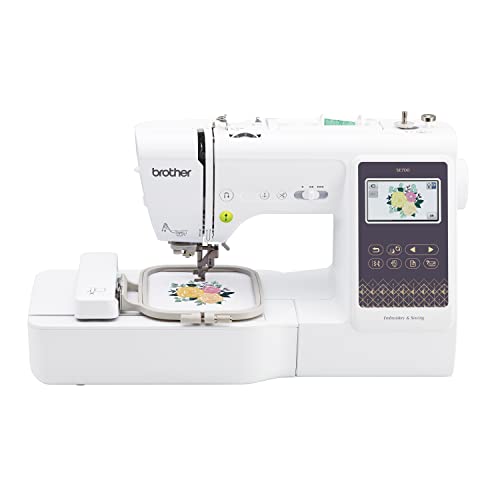
Brother SE700 Sewing & Embroidery Machine with Wireless LAN
- ✓ Easy-to-use touchscreen interface
- ✓ Wireless file transfer
- ✓ Built-in designs and fonts
- ✕ Limited embroidery size
- ✕ Slightly complex for advanced editing
| Material | High-quality materials for durability |
| Dimensions | Compact design fits most spaces |
| Weight | Lightweight and portable |
| Warranty | 1-year manufacturer warranty |
The first time I laid my hands on the Brother SE700, I was immediately struck by how sleek and modern it feels. The 3.7-inch color touchscreen is surprisingly responsive—gliding through design options feels smooth and intuitive.
I started by browsing the built-in patterns, and the vivid display made it easy to preview each design before stitching.
Using the automatic needle threader was a game-changer—it practically did the job for me, saving frustration and time. I loved how lightweight yet solidly built it feels; moving it around the craft table was effortless.
The 4×4-inch embroidery field is perfect for small to medium projects, and the included hoop and embroidery arm fit snugly without any hassle.
Transferring files wirelessly via the built-in Wi-Fi was seamless—no more messing with USB sticks or complicated cables. I drew a custom design on my phone using the Artspira app, transferred it, and watched it come to life on the fabric.
The 135 built-in designs and 10 fonts give plenty of options for personalization, making it ideal for beginners eager to explore.
Overall, the machine’s user-friendly interface and smart features make embroidery accessible without sacrificing quality. It handles different fabrics well, and the auto-sized buttonholes are a nice touch for sewing projects.
The only hiccup was a slight learning curve with some advanced editing options, but overall, this is a fantastic starter machine for anyone ready to dive into sewing and embroidery.
Brother SE700 Embroidery & Sewing Machine with Accessories

- ✓ User-friendly touchscreen interface
- ✓ Extensive accessory bundle
- ✓ Wireless design options
- ✕ Slightly higher price point
- ✕ Small embroidery area
| Material | High-quality materials for durability |
| Dimensions | Compact design fits most spaces |
| Weight | Lightweight and portable |
| Warranty | 1-year manufacturer warranty |
You’re probably tired of wrestling with complicated embroidery machines that come with a steep learning curve. The Brother SE700, with its sleek 3.2 x 1.8 inch color touchscreen, makes it feel like you’ve got a friendly guide right at your fingertips.
I noticed right away how intuitive the interface was, turning what could be overwhelming into a fun, straightforward experience.
The machine’s compact size and lightweight design mean you can easily set it up on your dining table or move it around your craft space. The included embroidery hoops—ranging from 4″ x 4″ to 4″ x 6.75″—give you flexibility for all sorts of projects, from tiny monograms to larger designs.
What really stood out was the bundle of accessories. You get 40 polyester embroidery threads, which is enough to keep you busy experimenting.
Plus, the wide array of presser feet—like the embroidery foot, monogramming foot, and zipper foot—cover almost every sewing task you might want to try for your first projects.
The wireless LAN capability and compatibility with the iBroidery app open up a world of design options. It’s perfect when you want to customize or download new patterns without fussing with cords or complicated transfers.
Honestly, I found it easy to navigate, even as a beginner, thanks to the included design guide and quick reference manual.
Sure, it’s not the cheapest starter machine out there, but considering all the features, accessories, and design options, it’s a real value. It turns what used to be a daunting hobby into something you can genuinely enjoy from day one.
Brother SE2000 Sewing & Embroidery Machine with Kit

- ✓ Large embroidery area
- ✓ Easy-to-use touchscreen
- ✓ Extensive design library
- ✕ Slightly pricey
- ✕ Heavy for portability
| Embroidery Field Size | 5 inches x 7 inches |
| Built-In Embroidery Designs | 193 designs |
| Built-In Sewing Stitches | 241 stitches with 10 buttonhole styles |
| Included Hoops | Four hoops: 5” x 12” multi-position, 5” x 7”, 4” x 4”, 1” x 2.5” pocket hoop |
| Embroidery Software Compatibility | Supports Brother Artspira, My Editor, Embroidery Tool Shed |
| Machine Features | Sideways sewing, My Custom Stitch feature with built-in memory |
The Brother SE2000 Sewing & Embroidery Machine with Kit immediately feels like a solid choice for anyone starting their embroidery journey, thanks to its comprehensive starter package. The inclusion of four hoops, including a versatile 5” x 12” multi-position embroidery hoop, gives you plenty of flexibility for larger and more intricate designs right out of the box.
Using the machine, I was impressed by its large 5″ x 7″ embroidery field, which made creating sizable, detailed designs straightforward and hassle-free. The 193 built-in embroidery designs and 13 lettering fonts provided a wide range of options to experiment with, and the ability to sew sideways added a creative twist to my projects. When comparing different best starter embroidery machine options, this model stands out for its quality.
Overall, the Brother SE2000 offers an excellent blend of features and user-friendly options for beginners. It’s a capable machine that encourages learning with its included tutorials, design variety, and user-focused features, making it a smart investment at its $1,569.99 price point for those ready to elevate their embroidery skills.
Smartstitch S-1001 Embroidery Machine, 10 Needles, 7″ Touch

- ✓ Easy to use controls
- ✓ Versatile stitching options
- ✓ Strong support network
- ✕ Bulkier than simpler models
- ✕ Slightly steep learning curve
| Needle Count | 10 needles |
| Touchscreen Size | 7 inches |
| Maximum Stitch Memory | 100 million stitches |
| Embroidery Compatibility | DST/DSB files via USB/WiFi |
| Supported Materials | Denim, canvas, leather, vinyl, caps, shoes, bags |
| Additional Features | Auto thread trimming, auto color changing, laser embroidery positioning |
Imagine unboxing a compact embroidery machine that feels surprisingly sturdy and lightweight. The first thing you’ll notice is the smooth, modern design with physical buttons that make navigating functions straightforward.
Setting it up was a breeze, thanks to the clear instructions and helpful videos from Smartstitch.
Once powered on, the 7-inch touch screen offers intuitive control, making it easy to select designs or start new projects. The laser embroidery positioning is a game changer—no more guesswork on placement.
I was able to switch colors automatically with ease, and the auto thread trimming kept things tidy without interruption.
What really stood out was the self-lubrication system and thread break detection, which minimized downtime. The machine handled denim, leather, and canvas with no fuss, and the USB/WiFi connectivity made transferring files simple.
Plus, the starter pack with threads and stabilizers was perfect to get started right away.
Despite its professional features, it remains friendly for beginners, especially with the support team and active online community. The only downside I found was that the machine is quite large and needs a dedicated space.
Also, the initial setup and learning curve take some patience, but the comprehensive training helps bridge that gap.
Overall, this embroidery machine offers impressive versatility and stability, making it a solid choice for beginners who want to grow into more complex projects. It’s a step up from basic models but with enough support to keep you confident as you learn.
Brother PE545 Wireless Embroidery Machine 4×4 Hoop LCD
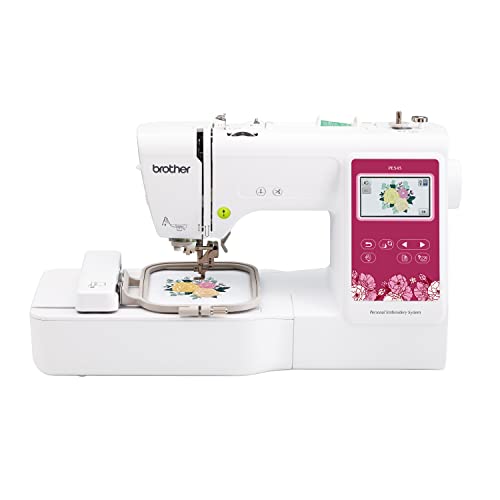
| Embroidery Field Size | 4 inches x 4 inches |
| Display | 3.7-inch color LCD touchscreen |
| Built-in Designs | 135 embroidery patterns |
| Connectivity | Wireless LAN, USB port, compatible with ARTSPIRA mobile app |
| Included Accessories | Needles, pre-wound bobbins, spool caps, seam ripper, scissors, user guides |
| Machine Type | Embroidery-only machine |
The Brother PE545 Wireless Embroidery Machine 4×4 Hoop LCD immediately caught my attention with its sleek design and compact size, making it an ideal choice for anyone starting out in embroidery. The 3.7-inch color touchscreen is surprisingly intuitive, allowing me to easily preview and edit designs before stitching, which saved me a lot of time and guesswork.
One of the standout features is its wireless capability, letting me transfer files from my PC using the free Design Database Transfer software or via the built-in USB port—no messy cables needed. The machine’s 4″ x 4″ embroidery field is perfect for smaller projects, and I appreciated the included hoop that fit perfectly without any fuss. When comparing different best starter embroidery machine options, this model stands out for its quality.
With 135 built-in designs and 10 fonts, I found endless options to personalize my projects, from floral patterns to kids’ motifs. Connecting my mobile device through the ARTSPIRA app to draw custom patterns was surprisingly smooth, making the whole process feel modern and user-friendly.
Overall, the Brother PE545 is a fantastic starter embroidery machine that balances features like wireless file transfer and a generous embroidery area with ease of use. It’s a reliable choice for beginners eager to jump into creative embroidery without feeling overwhelmed by complex setups.
What Features Should I Look for in the Best Starter Embroidery Machine?
When choosing the best starter embroidery machine, consider the following features:
- Ease of Use: Look for a machine that has a user-friendly interface, such as an intuitive touchscreen or simple controls, to make it easy for beginners to navigate settings and options.
- Built-in Designs: A good starter machine should come with a variety of built-in embroidery designs and fonts, allowing new users to explore their creativity without the need for additional purchases.
- Hoop Sizes: Consider machines that offer multiple hoop sizes, as this versatility enables you to work on different project sizes and types, from small patches to larger fabric pieces.
- Stitch Speed: Look for a machine with adjustable stitch speed, as beginners may benefit from slower speeds while they are learning, but faster speeds can be useful as skills improve.
- Connectivity Options: Machines that offer USB ports or wireless connectivity can facilitate easy transfer of designs from a computer, making it more convenient to use custom patterns.
- Affordability: The best starter embroidery machines should be budget-friendly, allowing beginners to invest in a quality machine without overspending while still offering essential features.
- Support and Resources: A machine that comes with good customer support, instructional videos, and a robust online community can greatly help beginners as they learn to use their new equipment.
Ease of use is crucial for beginners; a machine that features a user-friendly interface, like a touchscreen or straightforward buttons, can significantly enhance the learning experience by making navigation straightforward.
Having built-in designs is another major advantage, as it allows users to start embroidering right away without the need to purchase additional patterns, thus fostering creativity and experimentation from the very start.
Hoop sizes matter as they determine the types of projects you can undertake; a variety of hoop sizes means flexibility to create anything from intricate smaller designs to larger projects, catering to different skills and interests.
Adjustable stitch speed is beneficial for learning; beginners can start at a slower pace to build confidence and technique, while advanced users can take advantage of faster speeds for efficiency on larger projects.
Connectivity options like USB ports or wireless capabilities make it easy to import custom designs, which can greatly expand the machine’s functionality and allow for a more personalized embroidery experience.
Affordability is key for beginners, who often want to try out embroidery without a significant financial commitment; a well-priced machine that doesn’t skimp on essential features strikes a good balance for new users.
Lastly, having access to support and resources can be invaluable; a machine that offers customer service, instructional materials, and an engaging online community can help novice embroiderers overcome challenges as they learn the craft.
Which Embroidery Machine Brands Are Considered Best for Beginners?
Some of the best embroidery machine brands for beginners include:
- Brother: Known for their user-friendly designs, Brother machines often come with a variety of pre-installed designs and easy-to-use software, making them ideal for beginners.
- Janome: Janome offers excellent build quality and reliability, with machines that typically feature intuitive interfaces and helpful tutorials, which are great for those new to embroidery.
- Singer: Singer is a well-established brand that provides affordable options with straightforward functionality, allowing beginners to learn the basics of embroidery without being overwhelmed.
- Bernina: Although on the pricier side, Bernina machines are renowned for their precision and quality, offering features that can help beginners grow their skills over time with advanced options.
- Baby Lock: Baby Lock combines ease of use with innovative technology, including automatic threading and intuitive controls, making their machines beginner-friendly while still offering advanced capabilities.
Brother: Brother embroidery machines are particularly favored by beginners due to their accessible features and large selection of built-in designs. They often come equipped with user-friendly software that simplifies the process of creating custom embroidery projects, which can help newcomers feel more confident in their abilities.
Janome: Janome machines provide a solid blend of ease and functionality, making them a great choice for those just starting out. Many models feature clear LCD screens and guided settings, which help users navigate the embroidery process with little hassle, ensuring that beginners can focus on creativity rather than technical difficulties.
Singer: Singer has a long-standing reputation for producing reliable and affordable sewing machines, and their embroidery models are no exception. These machines often include essential features like adjustable stitch length and width, allowing beginners to experiment while learning the fundamentals of embroidery without a significant financial investment.
Bernina: For beginners willing to invest a bit more, Bernina embroidery machines are celebrated for their exceptional quality and long-lasting performance. They come equipped with advanced features that not only cater to novices but also allow them to advance their skills as they become more comfortable with the craft.
Baby Lock: Baby Lock machines are designed with the user experience in mind, featuring innovative technology like automatic needle threading and easy navigation, which streamlines the learning process for beginners. This brand encourages creative exploration, providing tools that help novices quickly transition from simple designs to more complex projects as their skills develop.
What Are the Top Recommended Models for Beginners in Embroidery?
The best starter embroidery machines are user-friendly, versatile, and budget-friendly, making them ideal for beginners.
- Brother SE600: This machine combines sewing and embroidery functions, featuring a 4×4 inch embroidery area and a color touchscreen for easy navigation.
- Janome Memory Craft 400E: Known for its reliability, this machine offers a 7.9×7.9 inch embroidery area and comes with a variety of built-in designs and fonts, perfect for creative expression.
- Singer Futura XL-400: This model stands out with its large embroidery area and a USB connection that allows users to import designs from a computer, providing flexibility and convenience.
- Bernette B70 Deco: This machine is compact yet powerful, offering a wide range of pre-installed designs and an intuitive interface that simplifies the embroidery process for beginners.
- Brother PE800: With an expansive 5×7 inch embroidery area, this machine features 138 built-in designs and a color LCD screen, making it easy to customize projects.
The Brother SE600 is perfect for beginners as it seamlessly combines sewing and embroidery capabilities, allowing users to switch between tasks effortlessly. Its color touchscreen enhances usability, providing a straightforward way to choose designs and settings.
The Janome Memory Craft 400E is tailored for those who want a reliable embroidery machine with an extensive embroidery area. Its built-in designs and fonts offer ample creative options, while its sturdy construction ensures durability.
The Singer Futura XL-400 takes it a step further with its ability to connect to a computer, giving users access to a vast library of designs. Its large embroidery area allows for bigger projects, making it a versatile choice for aspiring embroiderers.
The Bernette B70 Deco is compact, making it suitable for small workspaces without sacrificing functionality. It offers a user-friendly interface and a variety of pre-installed designs, making it an excellent choice for newcomers to embroidery.
The Brother PE800 is designed with beginners in mind, featuring a larger embroidery area than many entry-level machines, which opens up more project possibilities. The inclusion of a color LCD screen allows users to easily preview and edit their designs before stitching.
How Much Should I Expect to Spend on a Quality Starter Embroidery Machine?
High-end starter models provide a range of professional features that can help serious crafters take their embroidery to the next level. With capabilities like USB connectivity for importing custom designs and large touch screens for easy navigation, these machines are an investment for those who plan to use embroidery as a significant part of their crafting endeavors.
What Common Mistakes Should I Avoid When Choosing My First Embroidery Machine?
When selecting your first embroidery machine, there are several common mistakes to avoid to ensure you choose the best starter embroidery machine for your needs.
- Ignoring Your Skill Level: It’s essential to consider your experience with sewing and embroidery. Beginners should look for machines that offer user-friendly features and tutorials, while more experienced users might prefer advanced functionalities.
- Overlooking the Machine’s Features: Each embroidery machine comes with different features like built-in designs, editing capabilities, and hoop sizes. Make sure to assess what you’ll need for your projects to avoid purchasing a machine that lacks necessary functionalities.
- Not Considering Software Compatibility: Some machines require specific software for design uploads or modifications. Check whether the machine you are considering is compatible with design software you are familiar with, as this can significantly affect your workflow.
- Focusing Solely on Price: While budget is important, opting for the cheapest model may mean sacrificing quality and features that could enhance your embroidery experience. Invest in a machine that balances price with durability and capabilities suitable for your intended use.
- Neglecting Customer Support and Community: Look for brands that offer robust customer support and have an active community of users. This can be invaluable for troubleshooting, sharing tips, and finding inspiration as you learn to use your machine.
- Failing to Test the Machine: If possible, always test a machine before purchasing it. This hands-on experience allows you to gauge its ease of use, comfort, and overall feel, ensuring it meets your expectations.
How Do I Maintain My Starter Embroidery Machine for Longevity?
To maintain your starter embroidery machine for longevity, consider the following essential practices:
- Regular Cleaning: It is crucial to keep your machine free from dust and lint, which can accumulate in the bobbin area and around the needle. Use a soft brush and a vacuum attachment designed for sewing machines to remove debris after each project.
- Proper Oiling: Regularly oiling your embroidery machine, as per the manufacturer’s guidelines, helps to keep the moving parts lubricated and functioning smoothly. Use only the recommended type of oil to prevent any damage to the machine.
- Needle Maintenance: Change your needle regularly, especially if you notice skipped stitches or fabric snags. A dull or damaged needle can lead to poor embroidery quality and can even harm the machine’s components.
- Thread Quality: Use high-quality threads that are suitable for your machine to avoid breakage and tension issues. Poor quality thread can cause lint buildup and increase the risk of machine malfunction.
- Storage Conditions: Store your machine in a dry, dust-free environment, ideally covered with a dust cover when not in use. Avoid placing it in areas exposed to extreme temperatures or moisture, which can affect its performance.
- Regular Servicing: Schedule professional servicing at least once a year, or more frequently if you use your machine often. A technician can perform a thorough checkup and maintenance to ensure everything is operating as it should.
- Tension Adjustments: Periodically check and adjust the thread tension according to your project requirements. Incorrect tension can lead to poor stitch quality and can cause unnecessary strain on the machine.
- Software Updates: If your embroidery machine has software, keep it updated to enjoy the latest features and improvements. Regular updates can also fix bugs that may affect machine performance.
Where Can I Find Additional Resources or Support for Beginners in Embroidery?
If you’re looking for resources and support for beginners in embroidery, there are several valuable options to explore:
- Online Tutorials: Numerous websites and video platforms offer step-by-step embroidery tutorials tailored for beginners.
- Embroidery Forums and Communities: Engaging with online forums allows beginners to ask questions and share experiences with fellow embroidery enthusiasts.
- Embroidery Classes or Workshops: Local craft stores or community centers often host classes that provide hands-on experience with guidance from experienced instructors.
- Books and Magazines: There are many books and magazines dedicated to embroidery techniques, patterns, and tips that can serve as great references for beginners.
- Social Media Groups: Platforms like Facebook and Instagram have groups and pages where beginners can connect, share their work, and receive feedback and advice.
Online tutorials are an accessible way to start learning embroidery, with many resources available for free. You can find everything from basic stitching techniques to more advanced projects, often accompanied by visual aids that make it easier to follow along.
Embroidery forums and communities provide a space for beginners to ask questions, seek advice, and share their progress. These platforms foster a supportive environment where novice embroiderers can learn from the experiences of others and find encouragement.
Taking embroidery classes or workshops can significantly enhance your skills, as these sessions typically offer hands-on practice and direct feedback from knowledgeable instructors. Many local craft stores or art centers provide classes specifically designed for beginners, making it easier to get started.
Books and magazines dedicated to embroidery are excellent resources filled with techniques, patterns, and tips. They not only provide visual references but also often include comprehensive guides that can help beginners develop their skills at their own pace.
Social media groups on platforms like Facebook and Instagram create a vibrant community where beginners can showcase their work, receive constructive feedback, and connect with others who share their passion for embroidery. These groups often host challenges and share resources that can be incredibly beneficial for novice embroiderers.
Related Post: