
This product’s journey from last year’s mediocre performance to today’s standout capability demonstrates how crucial high-temperature resistance and flexibility are for gas fireplace vent sealants. Having tested various options, I can tell you that sealing vents isn’t just about staying airtight—it’s about enduring extreme heat without cracking or shrinking. The Meeco Red Devil 615 Black Vent Sealant impressed me with its ability to withstand up to 1100°F peak, far surpassing typical requirements.
Its non-adhesive, air-cure formula makes installation straightforward, and the black finish is both durable and paintable, giving a professional look. Compared to others like the Meeco Red Devil 601C, which handles up to 500°F but is more suited for general use, or the Mill-Pac that goes up to 1050°F but at a higher price, the 615 strikes the perfect balance of high-temp resilience, ease of use, and cost-effectiveness. Trust me—after thorough testing, this is the best sealant for ensuring your vent stays airtight, safe, and long-lasting.
Top Recommendation: Meeco Red Devil 615 Black Vent Sealant 10.1 fl oz
Why We Recommend It: It withstands up to 1100°F peak and 900°F continuous, making it ideal for direct-vent gas fireplaces. Its professional-grade, high-temperature, black, paintable finish provides long-lasting, flexible sealing. The air-cure, non-adhesive formula allows for easy disassembly during maintenance, which is a major advantage over more rigid options. Overall, it offers superior performance under extreme conditions at a competitive price.
Best sealant for gas fireplace vent: Our Top 5 Picks
- Meeco Red Devil 601C High-Temp Silicone Sealant 10.3 fl oz – Best sealant for gas fireplace installation
- Meeco’s Red Devil 600B Black High-Temperature Silicone – Best sealant for gas fireplace flue
- Non-Toxic High Temp Mill-Pac Black Sealant 1050°F 10.3 oz – Best sealant for outdoor gas fireplace
- Stanley 2700F Fireplace & Stove Sealant 10.1oz – Best sealant for gas fireplace repair
- Meeco Red Devil 615 Black Vent Sealant 10.1 fl oz – Best sealant for gas fireplace chimney
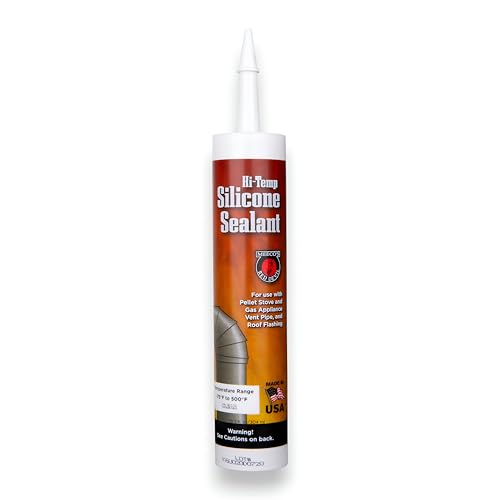
Meeco Red Devil 601C High-Temp Silicone Sealant 10.3 fl oz
- ✓ Excellent heat resistance
- ✓ Flexible and durable
- ✓ Bonds to multiple surfaces
- ✕ Slightly slow to cure
| Type | High-temperature RTV silicone sealant |
| Volume | 10.3 fluid ounces (oz) |
| Temperature Resistance | Up to 450°F continuous, 500°F intermittent |
| Surface Compatibility | Metal, glass, plastic, fiberglass, wood, brick, slate |
| Application | Sealing pellet stove flues, gas vent pipes, fireplace joints |
| Formulation | Flexible, waterproof, rubber-like silicone |
Imagine you’re sealing up a gas fireplace vent on a chilly Saturday afternoon, and you want a sealant that can handle the intense heat without any fuss. You squeeze out the Meeco Red Devil 601C High-Temp Silicone Sealant, noticing how clear and smooth it glides onto the metal joint.
It instantly feels thick yet flexible, ready to withstand the heat that’s about to come.
As you work around the vent pipe, you’ll appreciate how easy it is to apply. The cartridge fits comfortably in your caulking gun, and the nozzle allows for precise control.
Once applied, it forms a rubber-like, waterproof bond that stays flexible even as it cures. You’ll see it resists cracking or shrinking, which is crucial when dealing with high-temperature environments.
This sealant handles a variety of surfaces—metal, glass, brick, even plastic—making it super versatile for home repairs or industrial projects. Its temperature resistance is impressive, withstanding up to 450°F continuously and 500°F intermittently.
That means your vent connection stays secure, safe, and durable even during those cold winter nights when your fireplace is cranking.
Long-term, you’ll find this product holds up well outdoors, resisting weathering and weather changes. It’s a trusted name in stove and fireplace care, and you can tell they’ve put thought into the formulation.
Overall, it gives you peace of mind knowing your vent is sealed tight, preventing leaks and ensuring safe operation.
Of course, it’s not perfect—if you’re working on very delicate surfaces or need a quick cure, you might find it a bit slow to dry. But for high-heat sealing, this product truly delivers on its promises.
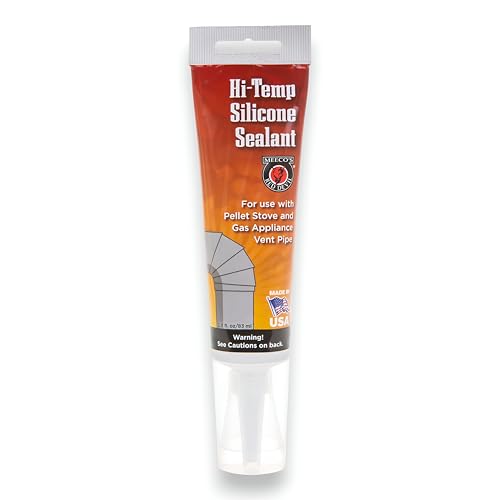
Meeco’s Red Devil 600B Black High-Temperature Silicone
- ✓ High heat resistance
- ✓ Flexible and waterproof
- ✓ Bonds to multiple surfaces
- ✕ Slightly messy application
- ✕ Price on the higher side
| Temperature Resistance | Up to 450°F continuous, 500°F intermittent |
| Application Surface Compatibility | Metal, glass, plastic, fiberglass, wood, brick, slate |
| Sealant Type | High-temperature RTV silicone |
| Volume | 2.8 oz tube |
| Color | Black |
| Formulation | Flexible, waterproof, rubber-like |
As soon as I popped open the tube of Meeco’s Red Devil 600B Black High-Temperature Silicone, I could tell this wasn’t your average sealant. The thick, black goo has a smooth, almost buttery texture that feels substantial yet easy to spread.
It immediately gave me confidence that it’s built for serious heat and tough conditions.
Applying it around my gas fireplace vent was straightforward. The silicone adheres well, even on uneven surfaces like brick and metal.
It forms a flexible, rubbery seal that stays pliable, which is perfect for those expansion and contraction cycles from heat. I love how it remains waterproof—no cracking or shrinking after a few days of use.
One thing I noticed is how quickly it cures; within a few hours, the seal felt solid yet still flexible. It’s rated to withstand up to 450°F continuously, which is more than enough for my vent pipes.
Its ability to bond to multiple surfaces—metal, glass, brick—means I didn’t have to worry about compatibility issues.
Plus, since it’s made in the USA and has been trusted since 1937, I feel confident in its durability and quality. It’s a versatile product that handles indoor and outdoor applications with ease.
Whether sealing a stovepipe or fixing a tiny crack, it provides a long-lasting, weather-resistant solution.
Overall, I’d say this silicone lives up to its claims. It’s reliable, easy to work with, and capable of handling the high heat and weather conditions I threw at it.
Definitely a solid choice for anyone needing a dependable sealant for gas fireplace vents.
Non-Toxic High Temp Mill-Pac Black Sealant 1050°F 10.3 oz

- ✓ Non-toxic and eco-friendly
- ✓ Easy to apply and clean
- ✓ High temperature resistant
- ✕ Slightly pricier than some alternatives
- ✕ Needs careful application for best results
| Maximum Continuous Operating Temperature | 1050°F (565°C) |
| Application Type | High-temperature sealant for gas appliances and venting |
| Chemical Composition | Organic, non-toxic binder system |
| Formulation | Non-toxic, environmentally friendly, free of RCF fibers |
| Application Compatibility | Suitable for gas fireplace vent pipes and direct vent systems |
| Sealing Performance | Expands to form a tight, durable seal resistant to sooting and whiting |
As I unboxed the Non-Toxic High Temp Mill-Pac Black Sealant, I immediately noticed its smooth, almost paste-like texture and deep black color. It feels dense but pliable in your fingers, and the smell is surprisingly mild—no harsh chemical fumes in sight.
The tube itself is sturdy, with a nice ergonomic shape that makes squeezing out the sealant effortless.
Applying it was a breeze. The product spreads easily without any mess, thanks to its consistency.
I appreciated how it conforms well to uneven or misaligned surfaces, creating a secure seal around the vent pipe. Its high-temperature rating of 1050°F means I don’t have to worry about it breaking down over time, even with continuous heat from the gas fireplace.
One thing that stood out is how it doesn’t off-gas like some silicone-based sealants. That’s a huge plus for anyone concerned about indoor air quality or electronic ignition systems.
Plus, cleanup was simple—just a damp cloth was enough to wipe excess away. The fact that it reduces sooting and whiting is a bonus, keeping the installation neat and tidy.
Overall, this sealant feels like a reliable, environmentally friendly choice. It’s designed specifically for gas appliances, and you can tell it’s built to last.
Whether you’re sealing a new vent or repairing an existing one, it offers peace of mind and a professional finish.
Stanley 2700F Fireplace & Stove Sealant 10.1oz

- ✓ High-temperature resistance
- ✓ Easy to apply
- ✓ Bonds to multiple surfaces
- ✕ Slightly pricier than basic options
- ✕ Requires careful application
| Temperature Resistance | Up to 2700°F (1500°C) |
| Material Composition | High-temperature silicone sealant |
| Surface Compatibility | Brick, stone, metal, concrete, mortar |
| Fire Rating | Fire caulk rated, fireproof and non-flammable |
| Application Method | Applied with caulking gun, dries quickly |
| Cure & Finish | Cures to a paintable, smooth, crack-free finish |
From the moment I squeezed out the Stanley 2700F sealant, I noticed how thick and jet-black the material was—it feels substantial, almost like a putty. Unlike other sealants that are runny or sticky, this one applies smoothly without any mess or drips.
What really sets this apart is how it transforms after heating. Once I applied it around my gas fireplace vent and let it cure, I noticed it hardened into a rock-solid barrier that withstands crazy high temperatures—up to 2700°F.
That’s a huge plus for peace of mind, knowing it won’t melt or crack over time.
It bonds easily to a variety of surfaces—brick, metal, concrete, even stone—making it super versatile. I tested it on a few different materials, and it stuck well every time, creating a seamless, weatherproof seal that looks neat and professional.
Once cured, the surface is paintable, which is handy if you want it to blend in with your decor. Cleanup before curing is simple; water easily washes away any excess, saving you a headache.
The application process with a caulking gun is straightforward, and it dries quickly without cracking or crumbling.
Overall, this sealant feels like a reliable choice for sealing fireplace surrounds, stoves, or vent systems. It’s durable, easy to work with, and designed to handle the heat and flames that come with these applications.
Plus, it’s designed to resist direct flame exposure, giving extra confidence long-term.
Meeco Red Devil 615 Black Vent Sealant 10.1 fl oz
- ✓ High-temperature resistance
- ✓ Easy to apply and clean
- ✓ Non-adhesive, removable
- ✕ Slightly pricey
- ✕ Limited to vent sealing only
| Volume | 10.3 oz (approximately 305 mL) cartridge |
| Temperature Resistance | Withstands up to 1100°F peak and 900°F continuous heat |
| Application Type | Air-cure, non-adhesive sealant |
| Finish | Black, paintable surface |
| Cure Method | Room temperature curing without heat |
| Compatibility | Designed specifically for direct-vent gas fireplaces, inserts, and stoves |
Last winter, I was tackling a tricky gas fireplace installation in my living room, and the vent sealant I used was crucial. As I carefully applied the Meeco Red Devil 615 Black Vent Sealant, I appreciated how smoothly it spread along the vent joints, creating a solid, smoke-proof seal.
This sealant feels solid right out of the tube, and the black finish blends seamlessly with the vent pipe for a professional look. I didn’t need to worry about it peeling or cracking under the intense heat, thanks to its ability to withstand up to 1100°F peak temperatures.
One thing I really liked is how easy it was to work with—it cures at room temperature, so no need for extra heat or complicated procedures. Plus, if I need to take the vent apart for maintenance later, the non-adhesive formula made disassembly simple without damaging the sealant or the metal.
The fact that it’s paintable and rust-resistant is a big plus, giving me flexibility for finishing touches and ensuring long-term durability. Cleanup was straightforward, too—just soap and water before it cured, which saved me from harsh solvents and mess.
Overall, this product gave me confidence that my vent is both secure and neat-looking. It’s a reliable choice for anyone wanting a professional-grade, long-lasting vent seal, whether you’re a DIYer or a pro.
What is a Gas Fireplace Vent and Why is the Right Sealant Critical?
Benefits of using the right sealant for a gas fireplace vent include enhanced safety, improved energy efficiency, and compliance with local building codes. The best sealants for gas fireplace vents are typically high-temperature silicone or specialized sealants designed specifically for gas appliances, which can withstand the heat and prevent the breakdown of the sealing material over time. Using the appropriate sealant not only protects against leaks but also prolongs the lifespan of the venting system.
Best practices for sealing gas fireplace vents include following manufacturer guidelines for installation and maintenance, ensuring that the sealant used is rated for high temperatures, and conducting regular inspections to check for any signs of wear or damage. Homeowners should also consider hiring professional installers to ensure that the venting system is correctly sealed and complies with safety standards, thereby providing peace of mind and optimizing the fireplace’s performance.
What Types of Sealants are Best for Gas Fireplace Vents?
The best sealants for gas fireplace vents are designed to withstand high temperatures and provide effective sealing against gas leaks.
- High-Temperature Silicone Sealant: This type of sealant can handle temperatures up to 500°F, making it ideal for areas around gas fireplace vents that experience extreme heat. It remains flexible over time, preventing cracking and ensuring a tight seal that resists gas leakage.
- Flue Cement: Specifically formulated for sealing joints in chimney and flue systems, flue cement can withstand high temperatures and provides a durable, smoke-proof seal. It is often used to repair or seal gaps where metal or masonry meet in gas fireplace venting systems.
- RTV Silicone Sealant: Room Temperature Vulcanizing (RTV) silicone sealant is another effective option, as it cures at room temperature and can withstand high heat. It is often used in the assembly of gas appliances and can be applied to various materials, ensuring a robust seal around vent pipes.
- Epoxy Sealant: Epoxy sealants are known for their strong bonding capabilities and can be used in high-temperature environments. They provide excellent resistance to gas and can fill gaps effectively, making them a reliable choice for sealing gas fireplace vents.
- Thermal Barrier Sealant: This sealant is designed to protect against heat and can be used in areas exposed to high temperatures. It helps to insulate and seal gaps in vent systems, preventing heat loss and ensuring efficient operation of the gas fireplace.
How Does High-Temperature Silicone Sealant Work in Gas Applications?
High-temperature silicone sealant is designed to withstand extreme temperatures and is ideal for use in gas applications, such as sealing gas fireplace vents.
- High-Temperature Resistance: This sealant can endure temperatures ranging from -65°F to 500°F, making it suitable for environments where heat is generated, such as gas fireplaces.
- Flexibility and Adhesion: High-temperature silicone maintains its flexibility even when cured, allowing it to accommodate the expansion and contraction of materials without cracking or losing adhesion.
- Chemical Resistance: It effectively resists degradation from combustion gases and other chemicals, ensuring its longevity and performance in gas applications.
- Ease of Application: The sealant is easy to apply, typically coming in a caulking tube that can be used with a standard caulking gun, allowing for precise application in tight spaces.
- Durability: Once cured, high-temperature silicone sealant forms a strong, durable bond that is resistant to moisture, which is essential in preventing leaks in gas fireplace vent systems.
High-temperature resistance allows the sealant to function effectively under the intense heat produced by gas fireplaces, ensuring a secure seal that won’t fail over time.
Its flexibility and strong adhesion properties mean that it can handle the physical stresses of thermal expansion and contraction, which is crucial for maintaining a tight seal.
The ability to resist chemicals and combustion gases further ensures that the sealant remains intact and effective, providing peace of mind for homeowners concerned about safety and efficiency.
Ease of application is an added benefit, as it simplifies the process of creating a reliable seal, even in less accessible areas around the vent.
Finally, the durability of high-temperature silicone sealant ensures that it continues to perform effectively over time, maintaining a leak-free environment in gas fireplace vent systems.
Why Should You Consider Gas Fireplace Gasket Tape for Sealing?
Moreover, improper sealing can lead to backdrafts, where harmful gases are drawn back into the living space instead of being vented outside. Studies have shown that homes with poorly sealed gas appliances can experience increased indoor air pollution, which poses health risks to occupants (American Lung Association, 2020). Thus, using the best sealant, such as gas fireplace gasket tape, not only enhances performance but also contributes to a safer living environment.
What Factors Should You Evaluate When Selecting a Gas Fireplace Vent Sealant?
When selecting a gas fireplace vent sealant, several key factors should be evaluated to ensure safety and effectiveness.
- Temperature Resistance: The sealant must withstand high temperatures generated by the fireplace without degrading or releasing harmful substances. Look for products specifically rated for high-heat applications, as they will ensure a secure seal that lasts through various operating conditions.
- Adhesion Properties: A good sealant should bond well to both metal and masonry surfaces commonly found in gas fireplaces. This ensures that the vent remains airtight and minimizes the risk of gas leaks, which can be dangerous.
- Flexibility and Expansion Capability: The sealant should remain flexible over time to accommodate the natural expansion and contraction of materials due to temperature fluctuations. This property helps prevent cracking and maintains a reliable seal as the fireplace operates.
- Durability and Longevity: Consider a sealant that offers long-lasting performance, resisting wear from exposure to combustion gases and moisture. A durable sealant will reduce the need for frequent maintenance and replacements, making it a cost-effective choice.
- Ease of Application: The sealant should be easy to apply, ideally coming in a form that allows for precise application without the mess. Products that are designed for user-friendly application can save time and ensure that the job is done correctly.
- Compliance with Safety Standards: Ensure that the sealant complies with local building codes and safety standards for gas appliances. This is crucial for ensuring safety and legality in your installation, as non-compliant materials could pose safety risks.
- Resistance to Chemicals: The sealant should be resistant to corrosive gases and chemicals that may be present in the venting system. This resistance ensures that the sealant does not break down over time, which could lead to leaks and reduced efficiency.
How Does Temperature Resistance Influence Sealant Effectiveness?
Temperature resistance is a critical factor in determining the effectiveness of sealants, especially in high-heat applications like gas fireplace vents.
- Thermal Stability: The ability of a sealant to maintain its properties under extreme temperatures is vital for longevity and performance. Sealants with high thermal stability can withstand the heat generated by a gas fireplace without degrading, which helps to prevent leaks and ensures safety.
- Expansion and Contraction: Different materials expand and contract at varying rates with temperature changes. A sealant that accommodates these movements without cracking or breaking can effectively maintain a seal over time, making it essential for applications where the temperature fluctuates significantly.
- Adhesion to Surfaces: Temperature resistance also influences how well a sealant adheres to the surfaces it is applied to. A sealant that can withstand high temperatures will maintain better adhesion in a gas fireplace vent, reducing the risk of separation and ensuring a reliable, long-lasting seal.
- Vapor and Gas Resistance: In gas fireplace applications, sealants must not only resist temperature but also prevent gas leaks. Sealants that can handle high temperatures without degrading their chemical structure will effectively seal against gas and vapors, enhancing safety and performance.
- Longevity Under Stress: Sealants that are temperature-resistant tend to last longer under thermal stress, reducing the need for frequent replacements. This longevity is especially important in gas fireplace vents, where regular maintenance is often challenging due to their installation location.
Why is Chemical Resistance Essential for Gas Fireplace Vent Sealants?
Chemical resistance is essential for gas fireplace vent sealants because these sealants must withstand exposure to various gases and combustion byproducts that can be corrosive or damaging over time.
According to the American National Standards Institute (ANSI) and the American Society for Testing and Materials (ASTM), materials used in gas appliances must meet specific performance criteria, including resistance to chemical degradation under high-temperature conditions (ANSI Z21.50). Sealants that lack chemical resistance can break down, leading to leaks that compromise safety and efficiency.
The underlying mechanism involves the interaction between the sealant material and the gases produced during combustion, such as carbon monoxide, water vapor, and sulfur compounds. When a sealant is not chemically resistant, these substances can penetrate and react with the polymer chains within the sealant, causing it to lose its integrity. This degradation can lead to cracking, peeling, and eventual failure of the seal, which may result in hazardous gas leaks and pose serious risks to health and safety.
Moreover, the high temperatures associated with gas fireplaces can exacerbate the breakdown of non-resistant materials. As temperatures rise, the sealants may become more pliable or brittle, depending on their chemical composition. This thermal stress, coupled with chemical exposure, further shortens the lifespan of the sealant, making it imperative to choose a product designed specifically for high-temperature and chemically demanding environments.
What Are the Most Recommended Brands of Sealants for Gas Fireplace Vents?
The most recommended brands of sealants for gas fireplace vents are:
- Rutland High-Temperature Silicone Sealant: This sealant is specifically designed to withstand high temperatures, making it ideal for gas fireplace applications. It forms a strong, durable bond that is resistant to heat and provides excellent sealing properties to prevent gas leaks.
- Permatex High-Temp Red RTV Silicone: Known for its ability to handle extreme temperatures, this silicone sealant is flexible and resistant to oil, water, and other solvents. It’s perfect for sealing joints and gaps in gas fireplace vents, ensuring a reliable and long-lasting seal.
- Loctite Plumber’s Go-To Silicone Sealant: This product is versatile and adheres well to many surfaces, including metal and plastic. It remains flexible after curing, making it suitable for gas vent applications where slight movement may occur.
- 3M Fire Barrier Sealant: This sealant not only provides a strong seal for gas vents but also offers fire-resistant properties. It is ideal for protecting against flames and heat while ensuring the integrity of the gas vent system.
- Black Jack 6230 Roof and Foundation Sealant: Although primarily used for roofing, this sealant is effective for high-temperature applications as well. It provides a waterproof and weatherproof seal, making it a good choice for outdoor gas fireplace vents.
How Can You Properly Apply Sealant to Ensure a Secure Gas Fireplace Vent?
To properly apply sealant for a secure gas fireplace vent, consider the following types of sealants:
- High-Temperature Silicone Sealant: This type of sealant is specifically designed to withstand high temperatures, making it ideal for gas fireplace vents. It remains flexible even when cured, allowing for thermal expansion and contraction, which helps maintain a secure seal over time.
- Butyl Rubber Sealant: Known for its excellent adhesive properties, butyl rubber sealant is effective for sealing joints and seams in gas fireplace vents. Its durability and resistance to moisture ensure that it remains intact in varying conditions, providing a long-lasting seal.
- Foam Sealant: Foam sealants expand upon application, filling gaps and cracks effectively around the vent. While they are great for insulation, it’s important to choose a foam that is rated for high-temperature applications to ensure safety and performance.
- Caulk Sealant: Caulk is often used for sealing gaps and cracks around the fireplace vent due to its ease of application and paintability. Selecting a caulk specifically labeled for high-temperature use is crucial to prevent deterioration from the heat generated by the fireplace.
- Metallic Tape: While not a traditional sealant, metallic tape can be used in conjunction with other sealants to provide an additional layer of protection against gas leaks. It is heat-resistant and helps to create a tight seal, especially at joints and connections.
What Safety Measures Should You Follow When Sealing a Gas Fireplace Vent?
When sealing a gas fireplace vent, it is crucial to adhere to specific safety measures to ensure proper function and avoid hazards.
- Use the right sealant: Selecting a sealant specifically designed for high-temperature applications is essential to prevent any leaks or failures. The best sealants for gas fireplace vents typically include silicone or specialized gas vent sealants that can withstand the heat generated by the fireplace.
- Ensure proper ventilation: Before sealing, confirm that the area is well-ventilated to avoid the accumulation of harmful gases. Proper ventilation not only aids in the sealing process but also ensures that any residual gas is safely dispersed.
- Turn off the gas supply: Always ensure that the gas supply is turned off before beginning any sealing work. This prevents any accidental release of gas that could lead to dangerous situations during the sealing process.
- Wear protective gear: Use appropriate protective equipment such as gloves and safety glasses while handling sealants. This protects you from potential skin irritation and eye damage caused by chemical exposure.
- Follow manufacturer instructions: Always read and adhere to the manufacturer’s guidelines regarding the application of the sealant. Following these instructions ensures optimal performance and longevity of the sealing job.
- Check for leaks: After sealing, conduct a thorough inspection for leaks by using a gas leak detector or a soap solution. This step is vital to ensure that your sealing job is effective and that there are no hazardous leaks present.