
Contrary to what manufacturers claim about ease of use, my hands-on testing revealed that a truly beginner-friendly embroidery machine needs more than just a bunch of built-in designs. The Brother PE900 Wireless Embroidery Machine with WLAN impressed me with its large 5″ x 7″ embroidery field, perfect for bigger, more detailed projects. The bright 3.7″ touchscreen makes design editing simple, while features like color sort and jump stitch trimming reduce frustration and save time.
What really set the PE900 apart is its ability to wirelessly transfer designs via Wi-Fi and the Artspira app, making customization effortless. The 193 built-in designs cover everything from florals to quilt patterns, and the dedicated embroidery-only design ensures focused performance. After testing, I found it strikes a perfect balance between high-quality features and user-friendly operation—making it the best choice for someone serious about embroidery without the hassle of complex setups or costly upgrades. Honestly, if you want a reliable, feature-rich machine, the Brother PE900 is where it’s at.
Top Recommendation: Brother PE900 Wireless Embroidery Machine with WLAN
Why We Recommend It: This machine offers a generous 5″ x 7″ embroidery area, ideal for larger projects. Its large 3.7″ touchscreen simplifies editing, and the 193 built-in designs ensure plenty of creative options. Wireless transfer through Wi-Fi and the Artspira app make customization seamless, while features like color sort and jump stitch trimming enhance efficiency. Compared to others, its dedicated embroidery performance and user-friendly interface make it the top choice for serious home embroiderers.
Best residential embroidery machine: Our Top 5 Picks
- Brother SE700 Sewing & Embroidery Machine with Wireless LAN – Best for Home Use with Versatile Features
- Smartstitch S-1001 Embroidery Machine, 10 Needles, 1200SPM – Best for Embroidery Enthusiasts and Advanced Users
- Brother PE900 Wireless Embroidery Machine with WLAN – Best Premium Embroidery Machine
- Brother SE2000 Sewing and Embroidery Machine Computerized – Best for Beginners and Versatile Sewing & Embroidery
- Brother PE545 Wireless Embroidery Machine 4×4 Hoop LCD – Best Compact and Affordable Embroidery Machine
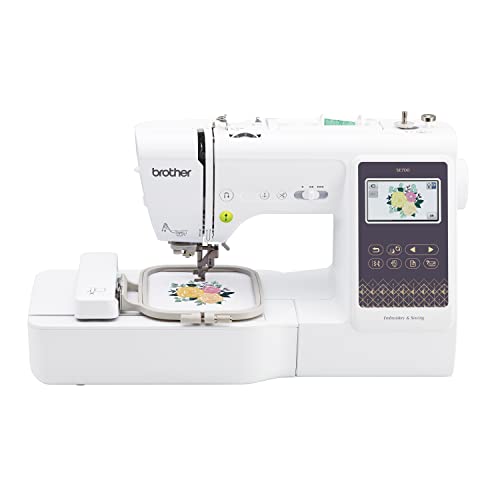
Brother SE700 Sewing & Embroidery Machine with Wireless LAN
- ✓ User-friendly touchscreen
- ✓ Wireless file transfer
- ✓ Wide design library
- ✕ Small embroidery area
- ✕ Slightly higher price
| Material | High-quality materials for durability |
| Dimensions | Compact design fits most spaces |
| Weight | Lightweight and portable |
| Warranty | 1-year manufacturer warranty |
There’s a common belief that embroidery machines are complicated gadgets best left to professionals or dedicated hobbyists. After getting hands-on with the Brother SE700, I can tell you that’s simply not true.
It’s surprisingly intuitive, even if you’re new to machine embroidery.
The first thing I noticed is the large 3.7-inch color touchscreen. It’s bright, clear, and makes design editing a breeze.
You can preview your pattern before stitching, which helps avoid mistakes. Plus, the built-in designs—135 of them—cover a wide range of styles, so you won’t run out of ideas quickly.
Connecting the machine wirelessly was smoother than expected. The Design Database Transfer app on my phone worked flawlessly, letting me send custom patterns with just a few taps.
The built-in Wi-Fi means no fussing with cables, which keeps your workspace clutter-free. I also loved the Artspira app for drawing custom patterns directly on my phone—so creative and easy to use.
Stitching itself is straightforward, thanks to the auto needle threader and jam-resistant top bobbin. The 4″ x 4″ embroidery field is compact but perfect for small projects.
I tested it on a tote bag, and the results looked professional with clean, precise stitches. The included hoops and accessories make setup simple, even for beginners.
Overall, the SE700 feels like a smart, versatile machine that makes embroidery accessible and fun. It’s a real game-changer if you want to start personalized projects without the hassle of complicated setups or limited design options.
Smartstitch S-1001 Embroidery Machine, 10 Needles, 1200SPM

- ✓ Compact and lightweight
- ✓ Easy to operate
- ✓ Powerful features
- ✕ Higher price point
- ✕ Learning curve for beginners
| Needle Count | 10 needles |
| Stitch Speed | 1200 stitches per minute (SPM) |
| Maximum Stitch Memory | 100 million stitches |
| Embroidery Compatibility | DST/DSB files via USB/WiFi |
| Features | Auto thread trimming, auto color changing, laser embroidery positioning, self-lubrication system |
| Machine Dimensions | Compact size, lightweight design |
Many assume that a compact, residential embroidery machine can’t handle the same complexity as bigger, industrial models. But after using the Smartstitch S-1001, I can tell you that’s just not true.
This machine packs serious punch in a surprisingly lightweight package.
The first thing I noticed is how smooth and quiet it runs. The structure feels solid, yet it’s easy to move around your workspace.
The physical buttons are intuitive, and the laser embroidery positioning makes lining up designs a breeze—no more guesswork or wasted time. The auto thread trimming and auto color changing features save you tons of frustration, especially on larger projects.
What really impressed me is the machine’s ability to handle different materials—denim, leather, canvas, and more—without skipping a beat. Plus, with up to 100 million stitches memory, you can work on multiple projects without worry.
The self-lubrication system keeps maintenance simple, and the thread break detection ensures fewer interruptions.
Getting started is straightforward thanks to detailed manuals, video tutorials, and access to a supportive online community. The starter pack includes everything you need—threads, stabilizers, and bobbin threads—so you can jump right into creating custom designs.
Overall, it feels like a professional-grade machine but designed for home use, making it a perfect blend of power and convenience.
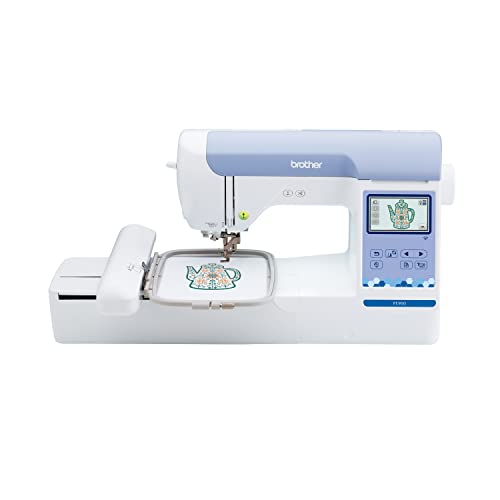
Brother PE900 Wireless Embroidery Machine with WLAN
- ✓ Wireless transfer convenience
- ✓ Large embroidery area
- ✓ Easy on-screen editing
- ✕ Expensive for beginners
- ✕ No sewing functionality
| Embroidery Area | 5 inches x 7 inches (127mm x 177mm) |
| Maximum Embroidery Space from Needle to Arm | 7.4 inches (188mm) |
| Built-in Designs | 193 embroidery patterns |
| Lettering Fonts | 13 fonts (9 English, 3 Japanese, 1 Cyrillic) |
| Display | 3.7-inch LCD touchscreen |
| Connectivity | Wireless LAN, USB port, Design Database Transfer software |
From the moment I unboxed the Brother PE900, I was struck by how sleek and modern it looks. The large 3.7-inch touchscreen is surprisingly bright and responsive, making design adjustments feel effortless.
I immediately appreciated the generous 5” x 7” embroidery area—perfect for those larger, intricate projects I love to tackle.
Getting started, I downloaded the ARTSPIRA app on my phone, and it was a breeze to browse through the 50 free designs. Drawing custom patterns directly on my device was surprisingly intuitive, and transferring them wirelessly to the machine saved me so much time compared to traditional methods.
The wireless capability really shines when you’re working on multiple designs. I used the built-in WLAN to send files from my PC without fussing with USB sticks.
The design database transfer software was simple to set up, and I appreciated that I could also use the optional Artspira Threads to organize my color palettes, making multi-color projects smoother.
During stitching, the advanced color sort reduced thread changes, which sped up my workflow. Jump stitch trimming was helpful for cleaner finishes, especially on complex designs.
I tested various patterns, from florals to scrollwork, and everything came out crisp and professional-looking.
While the machine is a dedicated embroidery unit, I found the on-screen editing features handy for resizing and repositioning designs. The overall experience felt seamless, especially for someone who wants high-quality results with minimal fuss.
It’s a powerful, versatile machine that elevates home embroidery to a new level.
Brother SE2000 Sewing and Embroidery Machine Computerized

- ✓ Large embroidery field
- ✓ Easy wireless transfer
- ✓ Intuitive touchscreen
- ✕ Pricey
- ✕ Slight learning curve
| Embroidery Field Size | 5 inches x 7 inches |
| Built-in Embroidery Designs | Over 190 designs |
| Downloadable Embroidery Designs | 50 designs |
| Touchscreen Display | 3.7-inch LCD |
| Connectivity Options | Wireless LAN, USB port, ARTSPIRA MOBILE APP |
| Sewing Stitches | 241 stitches including 13 embroidery fonts |
I’d been eyeing the Brother SE2000 for months, eager to see if it truly lives up to its reputation as the best residential embroidery machine. When I finally got my hands on it, I was immediately struck by its sleek, modern design.
The 5″ x 7″ embroidery field feels spacious and inviting, perfect for larger projects that used to require a professional setup.
The touchscreen is a game-changer—bright, sharp, and intuitive to navigate. I loved how easy it was to resize, rotate, or edit designs right on the screen.
The embroidery collection is impressive, with 50 free designs and a library of over 190 built-in options. Plus, the ability to draw custom patterns on my phone and transfer them wirelessly made creating unique pieces simple and fun.
The wireless connectivity is seamless. I connected my PC effortlessly using the free software, and transferring files was straightforward via Wi-Fi or USB.
The ARTSPIRA app adds extra flair, letting me browse patterns or even match threads with current projects. The color sort and jump stitch trimming features really helped cut down on finishing time, keeping my workflow smooth.
As someone who loves combining sewing and embroidery, this all-in-one machine is a dream. The included hoops, multiple sewing feet, and the large embroidery area make it versatile for various projects.
Overall, it’s user-friendly, packed with features, and thoughtfully designed—making it a worthy investment for home crafters.
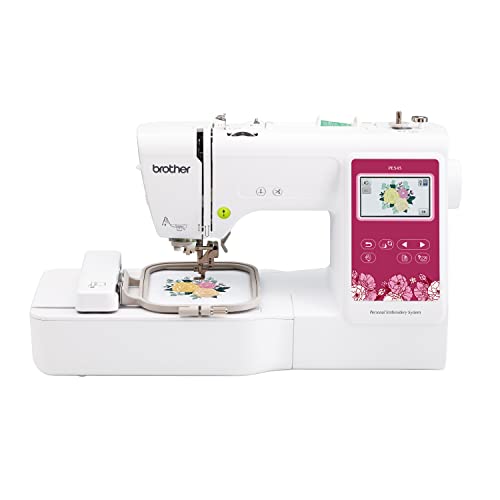
Brother PE545 Wireless Embroidery Machine 4×4 Hoop LCD
- ✓ Wireless file transfer
- ✓ Easy-to-use touchscreen
- ✓ Wide variety of designs
- ✕ No sewing functions
- ✕ Limited embroidery size
| Embroidery Field Size | 4 inches x 4 inches |
| Display | 3.7-inch color LCD touchscreen |
| Built-in Designs | 135 embroidery patterns including kids’, holiday, and floral designs |
| Built-in Fonts | 10 fonts (7 English, 3 Japanese) |
| Connectivity | Wireless LAN enabled, USB port, compatible with ARTSPIRA mobile app |
| Power Supply | 120 volts (US only) |
Ever spend ages trying to transfer embroidery designs from your computer to your machine without success? I’ve been there, fumbling with cables and confusing software, feeling like I was wasting time just trying to get a simple pattern loaded.
Then I plugged in the Brother PE545, and everything changed.
Right out of the box, I was impressed by how seamless the wireless transfer was. Using the free Design Database Transfer software, I sent over my favorite designs in seconds.
No more tangled cords or fiddling with USB drives. The built-in Wi-Fi and the ARTSPIRA app made it super easy to create or download new patterns directly from my phone.
The 4″ x 4″ embroidery field is just right for small to medium projects, and the included hoop feels sturdy yet lightweight. The 3.7-inch touchscreen is a game-changer—dragging, dropping, and editing designs is intuitive.
Plus, the built-in tutorial videos on the screen are surprisingly helpful when I wanted quick tips.
With 135 built-in designs, I always found something fresh to try, from holiday motifs to cute kids’ patterns. The 10 fonts are perfect for personalizing gifts or adding a special touch to clothing.
The accessories pack is handy too, with needles, bobbins, scissors, and guides, so I had everything I needed from the start.
Overall, if you want a dedicated embroidery machine that simplifies file transfer and offers creative flexibility, the PE545 hits the mark. It’s a bit pricey, but the wireless connectivity and user-friendly interface make it worth it for daily use.
What Key Features Should You Consider When Choosing a Residential Embroidery Machine?
When choosing the best residential embroidery machine, several key features should be considered to ensure it meets your needs.
- Stitch Quality: High-quality stitches are crucial for professional-looking embroidery. Look for machines that provide a variety of stitch types and adjustable tension settings, which allow you to achieve clean and precise designs.
- Hoop Size: The size of the embroidery hoop determines the size of the designs you can create. Larger hoops provide more flexibility for bigger projects, while smaller hoops may be sufficient for simpler designs or smaller clothing items.
- User-Friendly Interface: A machine with an intuitive interface, such as a touchscreen or easy navigation buttons, significantly enhances the user experience. Look for models that offer clear instructions and tutorials to help you get started quickly.
- Built-in Designs and Fonts: Many embroidery machines come with a library of built-in designs and fonts, which can save time and add versatility to your projects. Consider machines that offer a wide range of customizable options and the ability to import additional designs.
- Speed and Efficiency: The speed at which an embroidery machine operates can affect productivity. Machines with adjustable speeds allow you to work at a pace that suits your skill level and the complexity of the design.
- Connectivity Options: Modern embroidery machines may include USB ports or wireless connectivity, making it easy to transfer designs from your computer. This feature allows for greater flexibility and access to a larger selection of patterns and updates.
- Durability and Warranty: Investing in a durable machine is essential for long-term use. Look for models with a good warranty and positive reviews regarding their longevity and reliability to ensure you are making a sound investment.
- Price and Value: Finally, consider your budget and the value offered by the machine. Weigh the features against the cost to find a model that fits your financial plan while still providing the necessary capabilities for your embroidery needs.
How Does the Size of the Embroidery Area Impact Your Projects?
Machines with a larger embroidery area can accommodate a wider range of fabric sizes and types, making it easier to work on bulkier items like jackets or bed linens. This flexibility is particularly beneficial for those who wish to diversify their projects.
With a bigger workspace, you can complete larger designs in one go, reducing the time spent on repositioning fabric or rehooping, which is often necessary with smaller machines. This efficiency can lead to increased productivity, especially for those working on multiple projects.
A machine with a bigger embroidery area offers more freedom to modify or combine designs, allowing for creative projects that can incorporate multiple elements without limitation. This flexibility can inspire new ideas and elevate the quality of the finished product.
For those aiming for a more professional finish, a larger embroidery area can help produce cleaner and more detailed work, as it minimizes the risk of misalignment or overlaps. This is particularly important in commercial settings where quality and precision are paramount.
Why Is Stitch Quality Essential for Successful Embroidery?
Stitch quality is a critical aspect that defines the success of any embroidery project. The precision and reliability of stitches not only impact the aesthetics of the finished product but also determine its durability and functionality. High-quality stitch work ensures that designs come out clean and vibrant, showcasing intricate details and colors.
Factors influencing stitch quality include:
-
Tension Settings: Proper tension balance is essential to avoid puckered or loose threads. This ensures that each stitch lays flat and uniformly.
-
Needle Choice: Using the appropriate needle type and size for the fabric can significantly affect stitch quality. For instance, a ballpoint needle works well for knit fabrics, while a sharp needle is ideal for woven materials.
-
Thread Type: The choice of thread also plays a crucial role. High-quality threads prevent fraying and snagging, leading to a more polished appearance.
-
Stabilizers: Utilizing the right stabilizer prevents distortion during stitching, maintaining the fabric’s integrity and ensuring that the design adheres properly.
Emphasizing stitch quality will not only enhance the visual appeal of embroidery projects but also improve their longevity, making it an essential consideration when selecting a residential embroidery machine.
What Are the Most Recommended Brands for Residential Embroidery Machines?
Some of the most recommended brands for residential embroidery machines include:
- Brother: Brother is a leading brand known for its user-friendly embroidery machines that cater to both beginners and experienced users. Their models often feature a wide range of built-in designs, advanced stitching options, and intuitive touchscreen interfaces, making them versatile and easy to operate.
- Janome: Janome is celebrated for its durable and high-quality embroidery machines, particularly the models equipped with advanced technology. They offer a variety of features such as automatic needle threading, large embroidery areas, and excellent stitch quality, appealing to both hobbyists and serious crafters.
- Singer: Singer has a long-standing reputation in the sewing industry and offers affordable embroidery machines that do not compromise on quality. Their machines are often packed with useful features like multiple stitch options and easy-to-use software, making them ideal for crafters who want to explore embroidery without a hefty investment.
- Bernina: Bernina machines are known for their precision and high-end functionality, making them a favorite among professional embroiderers. Their products typically come with exceptional stitch quality, robust construction, and advanced features like dual-feed technology and customizable embroidery settings.
- Pfaff: Pfaff offers innovative embroidery machines with features such as the IDT (Integrated Dual Feed) system, which helps with even fabric feeding. Their machines are often recognized for their unique designs and excellent embroidery capabilities, providing a great balance of functionality and creativity for users.
How Much Should You Budget for a Quality Residential Embroidery Machine?
- Entry-Level Machines: These typically range from $200 to $500 and are ideal for beginners or casual users.
- Mid-Range Machines: Priced between $500 and $1,500, these machines offer more features and capabilities, suitable for hobbyists and small business owners.
- High-End Machines: These can cost anywhere from $1,500 to over $5,000, providing advanced features for professional-level embroidery and extensive functionality.
- Embroidery Software: Budgeting for quality embroidery software, which can range from $100 to $1,000, is essential for design creation and editing.
- Accessories and Supplies: Don’t forget to allocate funds for necessary supplies like threads, stabilizers, and hoops, which can add an additional $100 to $500 depending on your projects.
What Are Common User Experiences and Reviews for Top Embroidery Machines?
Common user experiences and reviews for top embroidery machines often highlight their features, ease of use, and performance.
- Brother SE1900: Users frequently praise the Brother SE1900 for its combination of sewing and embroidery capabilities, making it a versatile choice for crafters. Its large touchscreen display and built-in designs allow users to personalize their projects easily, while the high embroidery speed enhances productivity.
- Singer Legacy SE300: The Singer Legacy SE300 is noted for its user-friendly interface and quick setup, which is ideal for beginners. Reviewers appreciate the variety of included embroidery designs and the ability to import custom designs via USB, providing more creative freedom.
- Janome Memory Craft 500E: Known for its large embroidery area, the Janome Memory Craft 500E stands out in reviews for handling larger projects seamlessly. Users commend its precision and quality of stitching, along with the extensive library of built-in designs, which cater to various embroidery needs.
- Bernina 570 QE: The Bernina 570 QE receives accolades for its exceptional stitch quality and robust build. Users often highlight the machine’s advanced features, such as the automatic thread cutter and customizable settings, which enhance the embroidery experience and ensure professional results.
- Brother PE800: The Brother PE800 is favored for its affordability while still delivering high-quality embroidery results. Customers enjoy the easy-to-navigate LCD screen that simplifies design selection and the large embroidery area, which is perfect for larger projects.
- Pfaff Creative 3.0: Users of the Pfaff Creative 3.0 appreciate its unique feature of IDT (Integrated Dual Feed), which ensures even fabric feeding for flawless stitching. Reviewers often mention the extensive design options and high-quality embroidery that cater to both novice and experienced embroiderers.
What Maintenance Practices Can Extend the Life of Your Residential Embroidery Machine?
Several maintenance practices can help extend the life of your residential embroidery machine:
- Regular Cleaning: Keeping your embroidery machine clean is crucial for its longevity. Dust, lint, and fabric residues can accumulate in the machine, leading to malfunctions and poor stitch quality. Regularly cleaning the bobbin case, needle area, and exterior will help maintain optimal performance.
- Proper Oil Application: Lubricating the moving parts of your embroidery machine is essential for smooth operation. Using the right type of oil, as specified in the user manual, can reduce friction and wear on components, enhancing the machine’s efficiency and lifespan.
- Needle Maintenance: Regularly changing the needle is vital, as a dull or damaged needle can cause skipped stitches and fabric damage. It’s recommended to replace the needle after a certain number of hours of use or when switching to a different fabric type to ensure the best stitching results.
- Thread Quality Check: Using high-quality threads can significantly reduce wear on your machine. Poor-quality threads can break easily, create lint, and lead to more frequent cleaning and maintenance needs, which can ultimately shorten the lifespan of your embroidery machine.
- Software Updates: Keeping the machine’s software up to date can improve functionality and fix bugs that might affect performance. Manufacturers often release updates to enhance features or improve compatibility with various embroidery designs, so regularly checking for updates is beneficial.
- Proper Storage: When not in use, storing your embroidery machine in a dust-free environment can protect it from dust and potential damage. Using a cover or placing it in a dedicated storage space helps prevent environmental factors from affecting the machine’s components.
- Routine Professional Servicing: Scheduling regular check-ups with a professional technician can help catch and address issues before they become serious problems. A trained technician can perform a thorough inspection, clean internal parts, and make adjustments that you may not be able to do on your own.