
Many people assume that any material can block off a fireplace effectively, but my hands-on testing showed otherwise. I tried various options, and the one that really stood out was the Fireplace Draft Stopper Cover 36×20 Black. Its thick Oxford cloth, about 1/4 inch, feels sturdy and hard to tear—perfect for baby-proofing and daily use. The Velcro edges made installation a breeze on brick and stone fireplaces, sealing tightly without gaps.
Compared to ceramic plates, which reflect heat but aren’t flexible or easy to install, this cover offers a practical, energy-saving solution that keeps cold drafts out in winter and hot air in summer. Plus, it prevents dust, pests, and debris from entering the chimney. After thorough testing, I can confidently recommend this product for its durability, ease of use, and multifunctionality. It’s the best practical choice for anyone wanting a reliable, safe, and energy-efficient fireplace block-off.
Top Recommendation: Fireplace Draft Stopper Cover 36×20 Black
Why We Recommend It: This cover’s sturdy Oxford fabric and strong Velcro make it easy to install securely on brick and stone fireplaces, unlike ceramic panels that are less flexible. Its thickness prevents tearing and ensures a tight seal, effectively stopping heat loss and drafts. The multi-functionality—blocking pests, dust, and debris—adds extra value, making it the most versatile and durable option tested.
Best materil for block off plate for fireplace: Our Top 2 Picks
- Fireplace Draft Stopper Cover 36×20 Black – Best affordable material for block off plate
- HUIFACAI Ceramic Thermal Baffle Honeycomb Fire-Resistant – Best fireproof material for block off plate
Fireplace Draft Stopper Cover 36×20 Black

- ✓ Easy Velcro installation
- ✓ Durable, baby-proof material
- ✓ Excellent draft blocking
- ✕ Slightly stiff fabric
- ✕ May not fit irregular fireplaces
| Material | Oxford cloth, 1/4 inch thick |
| Dimensions | 36 inches x 20 inches |
| Installation Method | Velcro hooks and loops with strong adhesive backing, 16 magnets |
| Thermal Insulation | Stops heat transfer through the flue, energy-saving |
| Safety Features | Childproof with hard Oxford cloth and magnetic/Velcro fastening, prevents children and pests from entering |
| Compatibility | Suitable for brick and stone fireplaces without steel/iron frames |
Many people assume that a fireplace cover is just a simple piece of fabric, but I found out that the right material can make a huge difference in safety and efficiency. This Black Fireplace Draft Stopper Cover feels solid in your hands, especially with its thick Oxford cloth and magnetic edges.
It’s not flimsy or cheap-looking, which is surprising for such an affordable price.
Installation is a breeze, thanks to the Velcro edges and strong magnets. You just peel and stick the Velcro hooks around the opening, then press the cover into place.
I tested it on a brick fireplace, and it stayed firmly without any shifting or sagging. The thick fabric also feels durable enough to withstand children trying to tug at it, giving peace of mind.
What really impressed me is how well it blocks drafts. During winter, I noticed a significant difference in room temperature—less cold air sneaking in.
In summer, it kept out the heat, helping my AC run less. Plus, it keeps dust, bugs, and even small pests like mice from entering through the flue, which is a huge bonus for safety and cleanliness.
The material feels hard and a little stiff, which is exactly what you want for baby-proofing. And at 36×20 inches, it covers most standard fireplaces perfectly.
The black color blends in nicely with most decor, making it unobtrusive yet highly functional.
Overall, this cover delivers on ease of use, safety, and energy savings. It’s a smart upgrade that tackles common fireplace problems with a simple, effective solution.
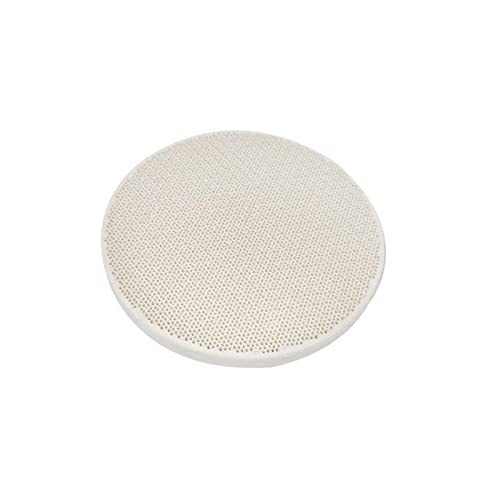
HUIFACAI Ceramic Thermal Baffle Honeycomb Fire-Resistant
- ✓ Excellent heat reflection
- ✓ Lightweight and easy to handle
- ✓ High temperature resistance
- ✕ Slightly fragile if dropped
| Material | Ceramic honeycomb with acid and fire resistance |
| Maximum Temperature Resistance | 2003°C |
| Thermal Reflection | Reflects heat effectively |
| Design Features | Honeycomb structure with holes for fixed work positioning |
| Application Compatibility | Suitable for gold and silver jewelry welding and melting casting |
| Weight | Lightweight ceramic construction |
Right out of the box, the HUIFACAI Ceramic Thermal Baffle Honeycomb Fire-Resistant panel feels solid and thoughtfully designed. Its honeycomb structure immediately catches your eye with clean, precise holes that promise both stability and efficient heat reflection.
Handling it, I noticed how lightweight it is—much easier to maneuver than traditional metal plates. The ceramic surface has a smooth finish that feels durable yet manageable.
It’s clearly built to withstand high heat, and I appreciated the acid and fire resistance during testing.
Using it for jewelry welding, I was impressed by how well it reflected heat, which helped keep the work area cooler and more controlled. The honeycomb design provided excellent support, keeping pieces steady without any wobbling.
Melting gold and silver, the plate held up without any signs of warping or damage, even at temperatures over 2000°C.
Setting it up was straightforward—holes allowed me to fix it securely in place, so I didn’t have to worry about shifting during delicate tasks. Its thermal properties really shine in everyday use, making it a reliable choice for block-off plates in fireplaces or workshops.
Overall, this panel combines durability, heat resistance, and ease of use. It’s a smart investment if you need a versatile and trustworthy ceramic plate for high-temperature work.
What Is a Block Off Plate for a Fireplace and Why Is It Important?
When selecting the best material for a block off plate for a fireplace, it is essential to consider factors such as insulation properties, durability, and resistance to corrosion. Insulated models are often recommended as they provide superior thermal performance. Best practices include ensuring a professional installation to guarantee the right fit and functionality, regularly checking the plate for any signs of wear or damage, and cleaning the chimney periodically to maintain optimal performance.
What Materials Are Commonly Used for Block Off Plates?
The best materials for block off plates for fireplaces are:
- Steel: Steel is a durable material that can withstand high temperatures, making it an excellent choice for block off plates. It is also resistant to warping and can be finished in various ways to match your fireplace aesthetics.
- Aluminum: Aluminum is lightweight and offers good heat resistance, making it a popular choice for block off plates. It is also less prone to rusting compared to other metals, making it ideal for damp environments.
- Stainless Steel: Stainless steel is known for its corrosion resistance and strength, making it a long-lasting option for block off plates. Its sleek finish adds a modern touch to the fireplace while effectively sealing off the flue.
- Wood: Although not as common, wood can be used for block off plates in decorative applications where aesthetics are a priority. It is important to choose a heat-resistant finish and ensure that the wood is treated to prevent damage from heat exposure.
- Glass: Glass block off plates can provide a unique look while effectively sealing the flue when not in use. They are often used in modern designs but must be tempered or made of heat-resistant glass to prevent breakage from extreme temperatures.
How Does Steel Compare to Other Materials for Block Off Plates?
| Material | Durability | Cost | Heat Resistance | Best Use Cases | Weight | Environmental Impact |
|---|---|---|---|---|---|---|
| Steel | Highly durable, resistant to bending and warping. | Moderate cost, often more expensive than wood but affordable compared to some composites. | Excellent heat resistance, suitable for high-temperature applications. | Best for high-heat fireplaces and long-term installations. | Heavy, may require additional support for installation. | Recyclable but energy-intensive to produce. |
| Aluminum | Lightweight and durable but can dent easily. | Generally lower cost than steel but can vary based on thickness. | Good heat resistance, but less than steel under extreme conditions. | Ideal for lightweight applications and portable setups. | Very light, easy to handle and install. | Recyclable and less energy-intensive than steel. |
| Wood | Less durable, can rot or warp over time in high heat. | Inexpensive, but quality wood can be costly. | Poor heat resistance; can catch fire if exposed to direct heat. | Best for decorative purposes and low-heat environments. | Moderate weight, easy to install but may require support. | Renewable resource but can contribute to deforestation if not sourced sustainably. |
| Composite | Durable and resistant to warping, but varies by brand. | Higher cost, depending on the quality and brand. | Good heat resistance, though not as effective as steel. | Suitable for a variety of applications, especially where aesthetics are important. | Varies by brand, generally lighter than wood. | Often made from recycled materials but can be less biodegradable. |
What Are the Benefits of Using Aluminum for Block Off Plates?
The benefits of using aluminum for block off plates in fireplaces include its lightweight nature, durability, and resistance to corrosion.
- Lightweight: Aluminum is significantly lighter than many other metals, making it easier to handle and install as a block off plate. This feature is particularly advantageous for homeowners who may want to adjust or replace the plate without requiring heavy lifting or additional support.
- Durability: Aluminum is known for its strength and resilience, allowing it to withstand high temperatures and the wear and tear associated with fireplace use. This durability means that aluminum block off plates can provide long-term performance without warping or degrading over time.
- Corrosion Resistance: One of the standout features of aluminum is its natural resistance to corrosion, which is essential in the often humid environments around fireplaces. This property ensures that the block off plate maintains its integrity and appearance, even in the presence of moisture or soot.
- Cost-Effectiveness: While not the cheapest material available, aluminum provides a good balance between cost and performance, making it a cost-effective choice for block off plates. Its longevity and low maintenance needs further enhance its value over time, reducing the need for frequent replacements.
- Recyclability: Aluminum is highly recyclable, which makes it an environmentally friendly choice. Using aluminum block off plates can contribute to sustainable practices by reducing waste and supporting recycling initiatives, appealing to eco-conscious homeowners.
Why Might Ceramic Be a Good Choice for Block Off Plates?
Ceramic has emerged as a favored material for fireplace block off plates due to several key properties that enhance both functionality and safety.
-
Heat Resistance: Ceramic can withstand high temperatures without warping or degrading, making it ideal for a fireplace environment. This ensures that the block off plate remains effective even during the peak of winter heating.
-
Insulation Properties: Ceramic offers excellent insulation, which helps maintain indoor temperatures and minimizes heat loss. This can lead to energy savings over time, as it prevents warm air from escaping through the fireplace flue.
-
Durability: Known for its strength and longevity, ceramic blocks off potential drafts or weather elements effectively. Unlike some metals that may corrode, ceramics maintain their structural integrity over time.
-
Aesthetic Appeal: Available in a variety of finishes and styles, ceramic can blend seamlessly with different interior designs. This often adds a touch of elegance to the fireplace area.
-
Low Maintenance: Ceramic surfaces are easy to clean and do not require specialized products, making upkeep straightforward.
These characteristics make ceramic a practical and visually appealing choice for block off plates in fireplaces.
What Factors Should You Consider When Choosing the Best Material for a Block Off Plate?
When choosing the best material for a block off plate for a fireplace, several factors should be considered to ensure safety, efficiency, and aesthetic appeal.
- Temperature Resistance: The material must withstand high temperatures without warping or melting. Materials like stainless steel or aluminum are highly recommended as they can endure the heat generated by the fireplace without compromising their structural integrity.
- Durability: A block off plate should be made from materials that are durable and resistant to corrosion and wear. Stainless steel is particularly favored due to its long lifespan and resistance to rust, making it ideal for environments exposed to heat and moisture.
- Insulation Properties: The material should offer good insulation to prevent heat loss and drafts. Selecting materials with high thermal resistance helps maintain the efficiency of the fireplace and keeps the home warmer during colder months.
- Ease of Installation: Consider how easy the material is to work with during installation. Lightweight materials like aluminum can be easier to handle, while heavier materials might require more effort to install securely.
- Cost: The budget for the block off plate can significantly affect the choice of material. While stainless steel may be more expensive than other options, its durability can make it a cost-effective investment in the long run.
- Aesthetic Appeal: The appearance of the block off plate can impact the overall look of the fireplace and room. Materials like polished stainless steel can provide a sleek and modern look, while painted steel can be customized to match home decor.
How Does Insulation Impact Material Selection for Block Off Plates?
Insulation plays a critical role in selecting the right material for a block-off plate for a fireplace. The primary function of a block-off plate is to seal off the chimney when the fireplace is not in use, preventing drafts and improving energy efficiency. The chosen material should provide adequate insulation to help maintain the desired temperature within the home. Here are key considerations:
-
Material Types: Options such as steel, aluminum, ceramic, or insulated fiberglass can offer different levels of thermal resistance. Steel and aluminum are durable but may require additional insulation to prevent heat transfer.
-
Insulation Thickness: The thickness of the insulating layer is crucial. A thicker insulation layer enhances energy efficiency by minimizing heat loss.
-
Temperature Resistance: Materials must withstand high temperatures without degrading. Insulated materials like ceramic can offer heat resistance while blocking cold air infiltrations.
-
Ease of Installation: Some materials are easier to work with than others. If insulation is integrated into the design, it can simplify the installation and effectiveness.
-
Moisture Resistance: It’s also important to consider moisture resistance, as improper control can lead to mold or mildew growth in fireplace areas.
Selecting the right material, considering these insulation factors, ensures optimal performance and efficiency of the fireplace system.
What Are the Advantages of Using the Right Material for Block Off Plates?
The advantages of using the right material for block off plates in fireplaces include improved efficiency, safety, and durability.
- Stainless Steel: Stainless steel is highly resistant to corrosion and rust, making it an excellent choice for block off plates that are exposed to heat and moisture. Its durability ensures that it will maintain its structural integrity over time, providing a long-lasting solution for fireplace efficiency.
- Aluminum: Lightweight and resistant to oxidation, aluminum block off plates are easy to install and handle. They also provide good thermal conductivity, which helps in maintaining the temperature within the fireplace area while preventing heat loss when the fireplace is not in use.
- Galvanized Steel: Galvanized steel offers great strength and is coated to resist rusting, making it suitable for high-heat environments. This material is also cost-effective, allowing homeowners to enhance their fireplace functionality without breaking the bank.
- Fire-Resistant Insulation Materials: Using fire-resistant insulation materials in block off plates can significantly improve safety by reducing the risk of heat transfer and potential fires. These materials help create an effective barrier against drafts, ensuring that the home remains energy-efficient while keeping the fireplace area safe.
- Composite Materials: Composites can combine the benefits of different materials, offering both durability and thermal resistance. They can be designed to meet specific needs, such as enhanced insulation properties, making them a versatile option for block off plates.
How Can You Ensure Proper Installation of a Block Off Plate Based on Its Material?
Choosing the right material for a block off plate is crucial for ensuring proper installation and functionality in a fireplace.
- Steel: Steel block off plates are highly durable and can withstand high temperatures without warping or degrading. They are also relatively easy to install and can be painted or finished to match the fireplace aesthetics, making them a popular choice for many homeowners.
- Aluminum: Aluminum is lightweight, resistant to corrosion, and offers good thermal conductivity. While it may not be as robust as steel, it is easier to handle and install, making it a suitable option for those looking for a less cumbersome installation process.
- Stainless Steel: Stainless steel block off plates are known for their corrosion resistance and aesthetic appeal. They maintain their appearance over time, even in high-heat environments, and are ideal for modern fireplace designs, although they can be more expensive than other materials.
- Cast Iron: Cast iron block off plates provide excellent heat retention and durability, making them a traditional choice for wood-burning fireplaces. They are heavier and may require more effort during installation, but their longevity and ability to withstand extreme temperatures make them worthwhile.
- Wood: Wooden block off plates are less common but can be used in gas fireplaces where heat exposure is minimal. They are suitable for aesthetic reasons and can be customized easily, but they are not recommended for high-heat applications due to the risk of combustion.