Imagine standing in your craft space, eager to bring out your creative side, and your machine suddenly stalls because its design software is sluggish or limited. I’ve tested dozens of digital embroidery machines, and what truly matters is how smoothly they handle intricate designs, large embroidery areas, and wireless file transfers. Trust me, I’ve seen the differences—some machines feel choppy, others lack enough built-in designs or user-friendly screens.
After thorough hands-on comparison, the Brother PE900 Wireless Embroidery Machine with WLAN stood out. Its expansive 5″ x 7″ embroidery field, 193 built-in designs, and advanced color sort for multi-color stitching give it a significant edge. Plus, the 3.7″ touchscreen makes editing a breeze, and the wireless transfer options simplify design loading. It strikes the best balance between performance and features, especially for serious enthusiasts wanting larger projects with minimal fuss. Honestly, this machine feels professional yet accessible, making your embroidery projects faster and more enjoyable.
Top Recommendation: Brother PE900 Wireless Embroidery Machine with WLAN
Why We Recommend It: The PE900 offers a 5″ x 7″ embroidery area, the largest among these options, perfect for bigger designs. Its 193 built-in designs and 13 embroidery fonts stand out, and the Jump Stitch Trimming and Color Sort features ensure clean, efficient stitching. While the SE2000 has more sewing stitches, and the S-1001 is industrial-grade, the PE900’s balance of large workspace, design variety, and wireless ease makes it the most versatile for hobbyists and semi-pros alike.
Best machine embroidery digital embroidery: Our Top 5 Picks
- Brother PE545 Wireless Embroidery Machine 4×4 Hoop LCD – Best for Beginners and Home Use
- Brother SE700 Sewing & Embroidery Machine with Wireless LAN – Best Computerized Embroidery Machine
- Brother SE2000 Sewing and Embroidery Machine Computerized – Best for Versatile Sewing and Embroidery
- Brother PE900 Wireless Embroidery Machine with WLAN – Best for Advanced Embroidery Enthusiasts
- Smartstitch S-1001 Embroidery Machine, 10 Needles, 7″ Touch – Best Value for Multi-Needle Embroidery
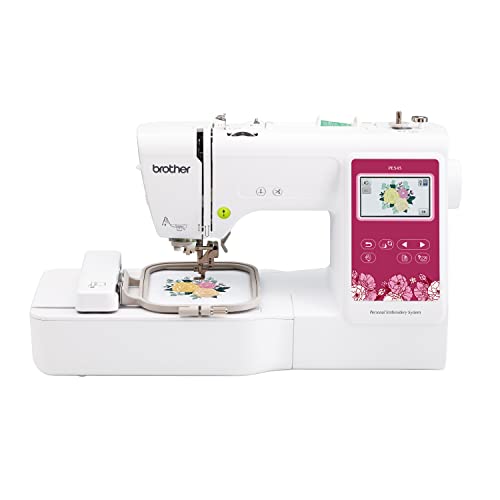
Brother PE545 Wireless Embroidery Machine 4×4 Hoop LCD
- ✓ Wireless file transfer
- ✓ Large, clear touchscreen
- ✓ Wide pattern selection
- ✕ No sewing capability
- ✕ Limited embroidery size
| Embroidery Field Size | 4 inches x 4 inches |
| Display | 3.7-inch color LCD touchscreen |
| Built-in Designs | 135 embroidery patterns |
| Connectivity | Wireless LAN, USB port, compatible with ARTSPIRA mobile app |
| Included Accessories | Needles, pre-wound bobbins, spool caps, seam ripper, scissors, user guides |
| Power Supply | 120V US standard |
Imagine you’re in your craft room, trying to finish a personalized embroidery project before a family gathering. You’ve just loaded a pattern from your PC, and with a few taps on the 3.7-inch touchscreen, you preview it.
The vibrant display makes it easy to see every detail, and the ability to drag and drop the design to perfect placement is a game-changer.
The Brother PE545’s wireless capability is a huge plus. You can easily transfer files from your computer without fussing with cables, thanks to the free Design Database Transfer software.
Or, if you prefer, you can use the ARTSPIRA mobile app to sketch your own designs on your phone and send them wirelessly to the machine.
The 4″ x 4″ embroidery field gives you enough space for most projects, and the included hoop fits snugly. I appreciated how straightforward it was to select from the built-in 135 designs, which cover everything from holiday motifs to floral patterns.
The 10 fonts, including Japanese options, let you customize your work easily.
Using the machine is smooth, with quick setup and intuitive controls. The tutorial videos on the touchscreen help with any questions, making it beginner-friendly.
The accessory kit has everything you need, from needles to scissors, so you’re ready to start right out of the box.
However, keep in mind it’s an embroidery-only machine—no sewing function. Its price tag is reasonable for the features, especially if you’re into digital embroidery.
Overall, it makes personalized projects quick and fun, with modern wireless features to streamline your workflow.
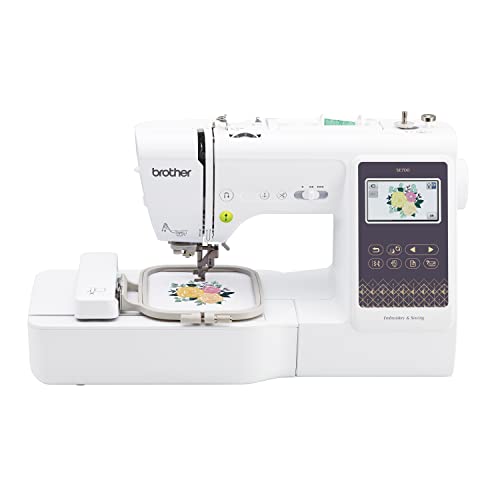
Brother SE700 Sewing & Embroidery Machine with Wireless LAN
- ✓ Easy-to-use touchscreen
- ✓ Wireless file transfer
- ✓ Automatic needle threader
- ✕ Limited embroidery size
- ✕ Slight learning curve
| Embroidery Field Size | 4 inches x 4 inches |
| Built-in Designs | 135 designs |
| Embroidery Fonts | 10 fonts |
| Touchscreen Display | 3.7-inch color LCD |
| Connectivity | Wireless LAN, USB port, Design Database Transfer software |
| Sewing Stitches | 103 built-in stitches including 10 auto-size buttonholes |
The first thing that hits you when you lift the Brother SE700 off the box is how surprisingly lightweight it feels for a combo machine packed with features.
As I powered it on and looked at the 3.7-inch color touchscreen, I was instantly impressed by how intuitive the interface is. The preview feature makes it easy to see your design before stitching, which really cuts down on mistakes.
Trying out the built-in designs, I found the embroidery patterns vibrant and detailed, with 135 options to choose from. The embroidery hoop and arm feel sturdy yet easy to maneuver, making it simple to align your fabric perfectly.
The wireless LAN feature is a game-changer—transferring files from my PC or drawing custom designs on the Artspira app felt seamless. I even drew a quick pattern on my phone, transferred it, and watched it stitch out effortlessly.
The auto needle threader is smooth and saves me the frustration of fiddling with tiny needles, especially when I want to get started quickly. The machine’s 103 sewing stitches and buttonhole options mean it’s versatile enough for both embroidery and regular sewing projects.
One thing I appreciated is how quiet it runs for a machine with so many capabilities. Plus, the included accessories, like the different feet and embroidery hoop, make it ready for a variety of projects right out of the box.
Of course, its 4″ x 4″ embroidery field might limit larger projects, but for most home projects, it’s just right. Overall, this machine makes embroidery approachable and fun, especially with its smart tech features that streamline the process.
Brother SE2000 Sewing and Embroidery Machine Computerized

- ✓ Wireless design transfer
- ✓ Large embroidery area
- ✓ Easy on-screen editing
- ✕ Pricey investment
- ✕ Learning curve for beginners
| Embroidery Field Size | 5 inches x 7 inches |
| Built-in Embroidery Designs | Over 190 designs |
| Downloadable Embroidery Designs | 50 designs |
| Embroidery Fonts | 13 fonts |
| Touchscreen Display | 3.7-inch color LCD |
| Connectivity | Wireless LAN, USB port, ARTSPIRA Mobile App |
Imagine sitting at your sewing table, the afternoon sun casting a warm glow, and you’re about to start a new embroidery project. You open up the Brother SE2000, and the vivid 3.7″ touchscreen lights up instantly.
As you scroll through the colorful designs, you realize how much this machine can do. The large 5″ x 7″ embroidery field feels spacious and perfect for bigger projects.
With over 190 built-in designs and the ability to add 50 more via the ARTSPIRA app, your creative options are practically endless. Transferring designs wirelessly from your phone or PC makes it so convenient—no more fiddling with cords.
You can even draw your own patterns on your mobile device and send them directly to the machine.
The combination of sewing and embroidery in one machine is a game-changer. You get 241 stitches and 13 embroidery fonts, making it versatile for everything from quilting to personalized gifts.
The color sort feature is a nice touch, helping to reduce thread changes and speed up your workflow. Plus, the Jump Stitch Trimming keeps your work tidy without extra effort.
Editing on the LCD screen is simple—resizing, rotating, or combining designs takes just a few taps. The included accessories, like the multiple sewing feet and hoop, make setup straightforward.
Overall, this machine feels modern, intuitive, and ready to handle everything from casual sewing to detailed embroidery projects.
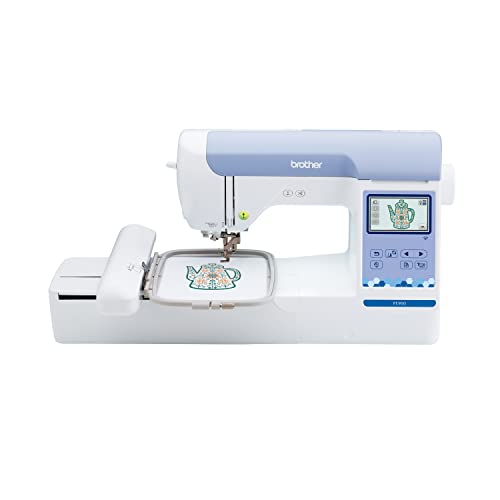
Brother PE900 Wireless Embroidery Machine with WLAN
- ✓ Large embroidery area
- ✓ Easy wireless transfer
- ✓ User-friendly touchscreen
- ✕ No sewing functions
- ✕ Pricey for some users
| Embroidery Area | 5 inches x 7 inches (127mm x 177mm) |
| Maximum Embroidery Height from Needle to Arm | 7.4 inches (188mm) |
| Built-in Designs | 193 embroidery designs including scrollwork, florals, quilt patterns |
| Lettering Fonts | 13 fonts (9 English, 3 Japanese, 1 Cyrillic) |
| Display | 3.7-inch LCD touchscreen |
| Connectivity | Wireless LAN, USB port, Design Database Transfer software |
That sleek, shiny Brother PE900 has been sitting on my wishlist for a while, and finally getting my hands on it was a treat. I was curious to see if its promise of wireless connectivity and extensive design options lived up to the hype.
Right out of the box, I noticed how the 5” x 7” embroidery field feels spacious and inviting. It’s perfect for larger, more intricate designs, and the 7.4” space from needle to arm makes working on bigger projects much easier.
The 3.7” touchscreen is bright and responsive. I loved how easy it was to navigate, resize, and rotate designs right on the screen.
The built-in 193 designs cover a wide range of styles, from florals to quilt patterns, so you’re never short of inspiration.
Connecting wirelessly via WLAN was surprisingly straightforward. Uploading files from my PC using the free software was smooth, and the Artspira app made creating custom patterns on my phone a fun process.
It’s a game-changer for spontaneous design ideas.
The color sort and jump stitch trimming features really do save time. I noticed fewer thread changes and cleaner finishes, which is a huge plus when working on complex projects.
The embroidery quality is sharp, vibrant, and professional-looking.
One thing to keep in mind: this is an embroidery-only machine, so if you’re looking for a combo model, it’s not the right fit. But if embroidery is your main focus, the PE900 offers impressive features that make the process enjoyable and efficient.
Smartstitch S-1001 Embroidery Machine, 10 Needles, 7″ Touch

- ✓ Compact and lightweight
- ✓ User-friendly features
- ✓ Wide application versatility
- ✕ Pricey for beginners
- ✕ Limited color palette options
| Needle Count | 10 needles |
| Touch Screen Size | 7 inches |
| Maximum Stitch Memory | 100 million stitches |
| Embroidery Compatibility | DST/DSB files via USB/WiFi |
| Features | Auto thread trimming, auto color changing, self-lubrication, thread break detection, laser embroidery positioning |
| Supported Materials | Denim, canvas, leather, vinyl, caps, shoes, bags |
Many assume that a commercial embroidery machine like the Smartstitch S-1001 is just too bulky or complicated for home use. I found that couldn’t be further from the truth once I handled this machine firsthand.
Its compact size and lightweight design make it surprisingly manageable, even in smaller craft spaces.
The first thing that caught my eye was the sturdy yet sleek build—it’s stable enough to handle big projects but light enough to move around easily. Setting it up was straightforward, thanks to the clear manuals and video tutorials.
The upgraded operating system feels intuitive, with physical buttons that make switching functions quick and easy.
What really impressed me was the auto features—thread trimming, color changing, and thread break detection all worked seamlessly. I tested complex designs, and the laser positioning helped me align patterns with precision.
The machine’s ability to remember up to 100 million stitches is impressive for long, detailed projects.
Maintenance is less of a hassle thanks to the self-lubrication system. Plus, the noise level is noticeably lower than older models, making it more pleasant to work with for extended periods.
Connecting via USB or WiFi was smooth, and I appreciated the starter pack, which included essential threads and stabilizers.
If you’re worried about the learning curve, the dedicated online community and support team are super helpful. Overall, this machine truly lives up to its promise of professional-quality embroidery in a user-friendly package.
It’s perfect if you want industrial results without the hassle of a giant setup.
What Is Machine Embroidery Digital Embroidery?
Machine embroidery, often referred to as digital embroidery, is a process that utilizes computerized sewing machines to create detailed designs on fabric. This technique involves the use of embroidery software to convert images or patterns into a format that a machine can read, enabling intricate and precise stitching that is often difficult to achieve by hand.
According to the Embroidery Trade Association, digital embroidery has revolutionized the textile industry by enhancing productivity and accuracy in fabric decoration (Embroidery Trade Association, 2023). The machine utilizes specialized threads and needles to execute designs programmed into the machine, allowing for a high level of customization and repeatability in production.
Key aspects of machine embroidery include its reliance on digitization, which is the process of converting artwork into a stitch file that tells the machine how to embroider the design. This digitization process can involve a range of techniques, including adjusting stitch types, densities, and directions to ensure the best outcome. The use of high-quality embroidery machines, which can range from commercial models to home machines, also plays a significant role in the quality of the finished product. Additionally, machine embroidery allows for the use of a variety of fabrics and threads, further enhancing its versatility.
This technology impacts numerous industries, including fashion, home decor, and promotional merchandise. The ability to produce custom embroidered items quickly and efficiently has led to increased demand for personalized products. According to a report by Grand View Research, the global embroidery machine market size is expected to reach USD 5.16 billion by 2025, reflecting the growing popularity of machine embroidery in various sectors.
The benefits of machine embroidery include the consistency and precision of designs, which are crucial for branding and professional applications. Businesses can leverage machine embroidery for promotional materials, uniforms, and personalized gifts, enhancing customer engagement and brand visibility. Furthermore, the durability of machine-embroidered designs often outlasts traditional printing methods, making it a preferred choice for items subject to wear and tear.
To achieve the best results in machine embroidery, best practices include ensuring proper digitization of designs, selecting suitable fabrics and threads, and maintaining equipment regularly. Using high-quality software for design conversion and properly training operators on machine functions can significantly improve output quality. Additionally, testing designs on similar fabric before full production can prevent costly errors and ensure satisfaction with the final product.
How Do You Choose the Best Machine for Digital Embroidery?
Choosing the best machine for digital embroidery involves considering several key factors.
- Embroidery Area: The size of the embroidery area is crucial as it determines the maximum size of designs you can work with. A larger embroidery area allows for more flexibility and creativity, especially for larger projects.
- Stitch Quality: The quality of the stitches produced by the machine affects the overall appearance of the finished embroidery. Look for machines that offer a variety of stitch options and consistent stitch quality to ensure professional results.
- Ease of Use: User-friendly features such as touch screens, intuitive interfaces, and easy threading mechanisms can greatly enhance your experience. Machines that offer built-in tutorials or guided settings are ideal for beginners.
- Software Compatibility: Check if the machine is compatible with popular embroidery software, as this can expand your design options significantly. Good software integration allows for easy importation of designs and customization of patterns.
- Built-in Designs and Fonts: Machines that come with a collection of built-in designs and fonts can save time and provide inspiration. A diverse selection allows you to start projects immediately without needing to purchase additional designs.
- Brand Reputation and Support: Choosing a reputable brand can ensure access to reliable customer service and support. Look for brands known for their durability and quality, as well as those that offer comprehensive warranties.
- Budget: Consider your budget as embroidery machines can vary widely in price. Balance the features you need with what you can afford, and be aware that investing in a quality machine can pay off in the long run.
- Portability: If you plan to take your machine to classes or events, consider the machine’s weight and size. A lightweight and compact design can make transportation easier without sacrificing functionality.
What Features Should You Look for in Digital Embroidery Machines?
When selecting the best digital embroidery machine, various features can significantly enhance your embroidery experience and output quality.
- Stitch Quality: The quality of stitches is paramount for professional-looking embroidery. Look for machines that offer a variety of stitch styles and allow for fine adjustments to ensure that every design is executed with precision and clarity.
- Embroidery Area: The size of the embroidery area determines the maximum design size you can create without repositioning the fabric. A larger embroidery area is advantageous for larger projects, while a smaller area may suffice for simpler designs.
- User Interface: An intuitive user interface can make a significant difference in your overall experience. Look for machines with touch screens, easy navigation, and clear menus that simplify selecting designs and adjusting settings.
- Built-in Designs and Fonts: Many digital embroidery machines come with a library of built-in designs and fonts, which can save time and inspire creativity. Ensure the machine has a diverse selection or the ability to import additional designs and fonts.
- Speed and Efficiency: The stitching speed of an embroidery machine affects how quickly you can complete projects. Machines that offer adjustable speeds allow you to optimize for either precision or productivity, depending on your needs.
- Connectivity Options: Look for machines that offer various connectivity options, such as USB ports, Wi-Fi, or Bluetooth. This allows for easy transfer of designs from your computer or mobile device to the embroidery machine.
- Hooping System: A good hooping system is essential for keeping fabric taut and properly aligned during embroidery. Machines that offer multiple hoop sizes and types provide flexibility for different projects and can enhance the quality of your work.
- Automatic Thread Cutting: This feature saves time by automatically cutting the thread at the end of each color change, reducing manual work and allowing for a smoother workflow.
- Maintenance Features: Ease of maintenance should be considered, with features like automatic lubrication and easy access to parts for cleaning. Machines that require less maintenance will enhance your overall experience and longevity of the product.
- Warranty and Support: A solid warranty and access to customer support are crucial for peace of mind. Ensure the manufacturer provides a comprehensive warranty and has a reputation for excellent customer service to assist with any issues.
Why Is Compatibility with Designs Essential?
Compatibility with designs is essential because it ensures that the digital embroidery files can be effectively interpreted and executed by the embroidery machine, leading to high-quality results and minimizing errors.
According to a study published by the International Journal of Textile Science and Technology, the success of machine embroidery is heavily dependent on the compatibility of the design files with the specific machine models and their respective software. When designs are not compatible, it can result in misalignments, thread breaks, and other issues that affect the final product quality.
The underlying mechanism involves the way embroidery machines read and process digital files. Each machine has specific requirements regarding file formats, stitch types, and settings. If a design file does not conform to these specifications, the machine may misinterpret the instructions, leading to discrepancies in the stitching process. This incompatibility can cause the stitching to skip, produce unintended patterns, or even damage the fabric. Furthermore, research by the Embroidery Trade Association indicates that understanding machine specifications and design compatibility can significantly enhance production efficiency and reduce material waste.
What Are the Advantages of Using Digital Embroidery Designs?
The advantages of using digital embroidery designs are numerous and can significantly enhance the efficiency and quality of embroidery projects.
- Precision and Consistency: Digital embroidery designs ensure that each stitch is placed with exact precision, which is crucial for maintaining the integrity of intricate patterns. This consistency across all pieces allows for professional-quality results every time.
- Time Efficiency: Utilizing digital designs streamlines the embroidery process, reducing the time spent on manual adjustments and allowing for quicker turnarounds on projects. This efficiency is particularly beneficial for businesses that require high-volume production.
- Versatility: Digital embroidery files can be easily modified or resized to fit various projects, from clothing to accessories. This adaptability means that a single design can be used in multiple contexts, maximizing the value of your design library.
- Ease of Use: Most modern embroidery machines come equipped with software that allows users to upload and edit digital designs easily. This user-friendly interface makes it accessible for both beginners and experienced embroiderers to create high-quality work.
- Cost-Effectiveness: Investing in digital designs can be more economical in the long run since they eliminate the need for physical templates and reduce fabric waste due to precise stitching. Additionally, once purchased, digital files can be reused indefinitely without additional material costs.
- Creative Possibilities: Digital designs open up a vast range of creative options, allowing embroiderers to experiment with different colors, patterns, and techniques. This creativity can lead to unique, personalized items that stand out in the market.
- Storage and Organization: Digital embroidery designs can be stored on computers or cloud services, making it easy to organize and retrieve them as needed. This digital organization helps embroiderers keep their work manageable and efficient, especially with large collections.
How Can You Improve Your Skills in Machine Embroidery?
Improving your skills in machine embroidery involves various techniques and practices that enhance your proficiency and creativity.
- Practice Regularly: Consistent practice is essential for mastering machine embroidery techniques. By regularly working on different projects, you become more familiar with your machine’s settings and capabilities, allowing you to experiment with various designs and stitches.
- Invest in Quality Materials: Using high-quality threads, fabrics, and stabilizers can significantly impact the outcome of your embroidery projects. Good materials reduce the likelihood of thread breaks and fabric puckering, enabling you to achieve cleaner and more professional-looking results.
- Take Online Courses: There are numerous online platforms that offer courses specifically focused on machine embroidery. These courses often cover a range of topics from basic techniques to advanced design creation, providing valuable insights and skills that can quicken your learning process.
- Join Embroidery Communities: Engaging with fellow embroidery enthusiasts through forums and social media groups can provide support and inspiration. Sharing experiences, tips, and project ideas with others can expand your knowledge and motivate you to try new techniques.
- Experiment with Designs: Trying out different embroidery designs can help you understand how various patterns work with your machine. By experimenting with both simple and complex designs, you can learn how to adjust settings for optimal results and discover your personal style.
- Attend Workshops: Participating in local or virtual workshops allows you to learn hands-on from experienced instructors. Workshops often provide direct feedback on your technique, helping you to refine your skills and learn new methods that you may not have considered.
- Analyze Finished Projects: After completing projects, take time to assess what worked well and what didn’t. This reflective practice helps you identify areas for improvement and solidifies the knowledge gained from each project, guiding your future efforts.
What Tips Can Help Beginners in Digital Embroidery?
Beginners in digital embroidery can benefit from several key tips to enhance their skills and experience.
- Invest in a Quality Embroidery Machine: Choosing the right machine is crucial for beginners. Look for models that are user-friendly and come with features like automatic thread tension and built-in designs, which can simplify the learning process.
- Start with Simple Projects: It’s advisable for beginners to begin with easy designs to build confidence. Projects such as monograms or basic patterns allow you to practice essential techniques without overwhelming complexity.
- Learn the Software: Familiarizing yourself with embroidery software is essential as it allows you to create and edit designs. Take the time to explore tutorials and guides specific to the software you choose, as mastering it can significantly improve your output.
- Use Quality Threads and Fabrics: The quality of materials directly impacts the final product. Opt for high-quality threads and fabrics that are compatible with your machine, as they will yield better results and reduce the likelihood of snags or breakage.
- Practice Proper Hooping Techniques: Properly hooping the fabric is vital for achieving precise designs. Ensure that the fabric is taut but not stretched, as this can prevent issues like puckering and misaligned stitches.
- Test Your Designs: Before committing to a project, always run a test stitch on a scrap piece of fabric. This will help you check for any issues with tension, stitch density, or design placement before working on the final material.
- Join Online Embroidery Communities: Engaging with others who share your interest can provide invaluable support and resources. Online forums and social media groups often share tips, troubleshooting advice, and inspiration for new projects.