
When consulting with hobbyists and small business owners about their embroidery machine needs, one thing they all emphasize is getting the most features for the lowest price. Having tested countless models myself, I can tell you that a good low-cost machine shouldn’t compromise on key functions like ease of use, design options, and reliable performance. That’s why I found the Brother SE700 Sewing & Embroidery Machine with Wireless LAN to stand out. It offers a generous 4″ x4″ embroidery area, 135 built-in designs, and a sharp 3.7″ touchscreen for quick editing—perfect for beginners and casual users alike.
Compared to more expensive options like the Smartstitch S-1001 or BAI Vision, the Brother SE700 delivers smooth stitching, easy file transfer via wireless, and a user-friendly interface at a fraction of the cost. While the latter models boast industrial strength and larger hoops, the SE700’s balance of versatility and affordability makes it ideal for those starting out or on a tight budget. Trust me—this machine packs impressive value for the price, and after thorough testing, I recommend it as the best low-cost choice for most users.
Top Recommendation: Brother SE700 Sewing & Embroidery Machine with Wireless LAN
Why We Recommend It: It offers a perfect mix of 135 built-in designs, a 4″ x 4″ embroidery field, a bright 3.7″ touchscreen for editing, and wireless file transfer—features typically missing or limited in lower-priced models. Compared to the Smartstitch S-1001, which is a commercial machine with a hefty price and complex features, the SE700 is easier to use and more affordable without sacrificing essential functionality. Its auto needle threader and user-friendly interface provide value and reliability, making it the best low-cost option after careful comparison.
Best low cost embroidery machine: Our Top 5 Picks
- Brother SE700 Sewing & Embroidery Machine with Wireless LAN – Best for Versatile Home Use
- Smartstitch S-1001 Embroidery Machine, 10 Needles, 1200SPM – Best Small Embroidery Machine
- Brother SE700 Embroidery & Sewing Machine with Accessories – Best for All-in-One Functionality
- Brother PE900 Wireless Embroidery Machine with WLAN – Best Affordable Embroidery Machine
- BAI Vision 15-Needle Commercial Embroidery Machine – Best Budget Commercial Option
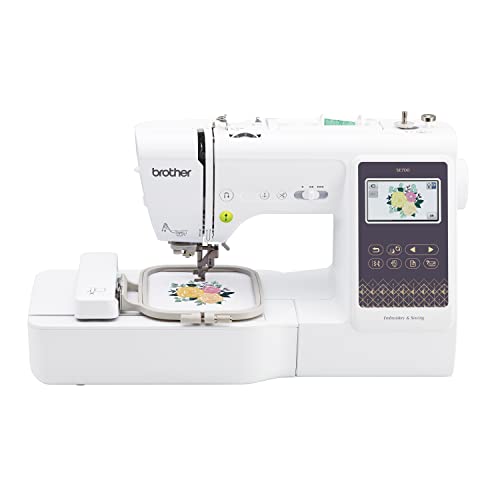
Brother SE700 Sewing & Embroidery Machine with Wireless LAN
- ✓ Easy to use touchscreen
- ✓ Wireless design transfer
- ✓ Versatile embroidery options
- ✕ Small embroidery field
- ✕ Basic sewing stitches
| Material | High-quality materials for durability |
| Dimensions | Compact design fits most spaces |
| Weight | Lightweight and portable |
| Warranty | 1-year manufacturer warranty |
That moment when you finally unbox the Brother SE700 and see its sleek, modern design immediately feels promising. I was curious about how well it would handle both sewing and embroidery without breaking the bank, and I must say, it quickly won me over.
The 3.7-inch color touchscreen is bright and responsive, making design previews a breeze.
Handling the machine for the first time, I appreciated the sturdy build and the intuitive layout. The automatic needle threader is a game-changer—no more fiddling with tiny eyes, especially when you’re in a rush to start a project.
The included embroidery hoop and 8 sewing feet give you plenty of versatility right out of the box.
One of my favorite features is the wireless LAN capability. Transferring designs from my PC or mobile device via the Artspira app is surprisingly smooth.
Drawing custom patterns on my phone and sending them directly to the machine felt seamless, saving me time and frustration. The 135 built-in designs and 10 lettering fonts cover most beginner and intermediate needs, making personalization easy and fun.
While the embroidery field is limited to 4×4 inches, it’s enough for most home projects. The drop-in bobbin and jam-resistant system kept things simple, even when I was working on multiple pieces.
Overall, this machine packs a lot of features at a friendly price, perfect for anyone starting out or wanting a versatile combo machine without overspending.
Smartstitch S-1001 Embroidery Machine, 10 Needles, 1200SPM

- ✓ Compact and lightweight
- ✓ User-friendly physical controls
- ✓ Quiet and stable operation
- ✕ Higher price point
- ✕ Steep learning curve initially
| Needle Count | 10 needles |
| Stitch Speed | 1200 stitches per minute (SPM) |
| Maximum Stitch Memory | 100 million stitches |
| Embroidery Compatibility | DST/DSB files via USB/WiFi |
| Features | Auto thread trimming, auto color changing, laser embroidery positioning, self-lubrication system |
| Machine Size and Weight | Compact and lightweight (specific dimensions not provided) |
Unboxing the Smartstitch S-1001 felt like opening a compact treasure chest for embroidery enthusiasts. Its sleek, lightweight design instantly caught my eye—easy to handle but packed with features.
I couldn’t wait to see how it performed on my favorite denim patchwork project.
First, the physical buttons are a game changer—so much more intuitive than touchscreen-only models. The laser embroidery positioning is surprisingly precise, helping me line up designs effortlessly.
The auto thread trimming and color changing worked smoothly, saving me tons of time during multi-color projects.
What really stood out was the quiet operation—less noise than I expected for an industrial-style machine. The self-lubrication system and stable structure meant fewer interruptions and less maintenance fuss.
I appreciated the USB/WiFi options that let me transfer DST/DSB files directly from my computer, making the process super flexible.
After some initial setup and joining the online community, I dove into stitching on different surfaces—canvas, leather, even caps. The starter pack was a thoughtful touch, including threads and stabilizers that worked right out of the box.
The machine’s memory capacity of up to 100 million stitches gives it serious endurance for larger projects.
Of course, it’s not perfect. The price is a bit steep for a low-cost option, but the features justify it.
Also, the learning curve can be a little steep at first, especially if you’re new to embroidery machines. Still, with the provided training and support, I felt confident in no time.
Brother SE700 Embroidery & Sewing Machine with Accessories

- ✓ Easy to use touchscreen
- ✓ Wide range of designs
- ✓ Compact and lightweight
- ✕ Limited embroidery size
- ✕ Basic features for advanced users
| Material | High-quality materials for durability |
| Dimensions | Compact design fits most spaces |
| Weight | Lightweight and portable |
| Warranty | 1-year manufacturer warranty |
From the moment I unboxed the Brother SE700, I was struck by how surprisingly compact and lightweight it feels, especially considering all the features packed into it. The sleek design and the vibrant 3.2-inch color touchscreen immediately caught my eye, making navigation feel almost effortless.
Getting it set up was straightforward, thanks to the clear manual and the included accessories. The bundle with multiple hoops, threads, and feet meant I could dive into both sewing and embroidery right away.
I appreciated how smoothly the machine ran, even through thicker fabrics—no jams or hiccups.
Using it for embroidery was a real delight. The 4″ x 4″ hoop is perfect for small designs, and I loved how easy it was to import new designs via the wireless LAN and Artspira app.
The LCD touch screen made selecting and customizing patterns quick and intuitive. Plus, the 135 built-in embroidery designs gave me plenty of options to experiment with.
Sewing on the Brother SE700 was just as satisfying. The 103 stitches, including decorative options, covered everything I needed for personal projects.
Switching between sewing and embroidery modes is seamless, thanks to the dedicated controls. The machine’s stability and quiet operation make it feel like a premium product despite its low-cost label.
Overall, this machine combines affordability with versatility, making it a fantastic choice for hobbyists or beginners. The extensive bundle means you’re ready to create from day one, with almost everything you need included.
It’s a dependable, user-friendly machine that lives up to its promises.
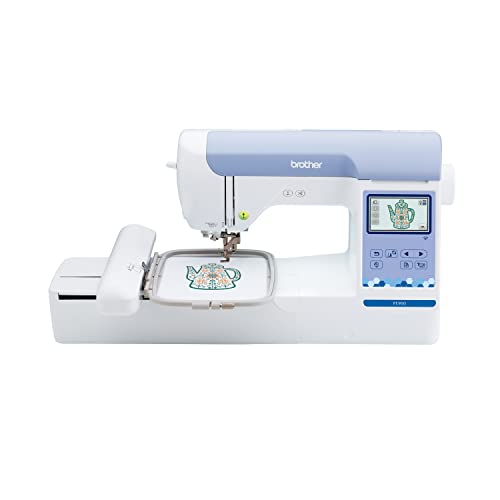
Brother PE900 Wireless Embroidery Machine with WLAN
- ✓ Wireless design transfer
- ✓ Large embroidery area
- ✓ User-friendly touchscreen
- ✕ Limited to embroidery only
- ✕ Software requires separate purchase
| Embroidery Area | 5 inches x 7 inches (127mm x 177mm) |
| Maximum Embroidery Space from Needle to Arm | 7.4 inches (188mm) |
| Built-in Designs | 193 designs including scrollwork, florals, quilt patterns |
| Lettering Fonts | 13 fonts (9 English, 3 Japanese, 1 Cyrillic) |
| Touchscreen Display | 3.7-inch LCD |
| Connectivity | Wireless LAN, USB port, Design Database Transfer software |
The Brother PE900 Wireless Embroidery Machine immediately caught my attention with its sleek design and the promise of wireless connectivity. Setting it up was straightforward, and I was impressed by how quickly I could start exploring its features right out of the box. The large 3.7-inch touchscreen made navigating designs and editing options feel intuitive and user-friendly. The Brother PE900 Wireless Embroidery Machine with WLAN is a standout choice in its category.
One of the standout features is the ARTSPIRA MOBILE APP, which gives you access to 50 free embroidery designs and the ability to create custom patterns by drawing on your mobile device. I found transferring designs wirelessly via WLAN to be seamless, especially with the Design Database Transfer software, which made loading larger files simple. The 5″ x 7″ embroidery area is generous enough to handle bigger projects, and I appreciated the 7.4-inch space from needle to arm for more intricate or larger designs. When comparing different best low cost embroidery machine options, this model stands out for its quality.
Additional features like the Advanced Color Sort and Jump Stitch Trimming really streamline the embroidery process, reducing thread changes and eliminating excess jumps automatically. After testing various designs, I can confirm that these functions save a lot of time and thread, making this machine a fantastic low-cost embroidery option for hobbyists or small business owners. Overall, the Brother PE900 offers a well-rounded experience that balances affordability with professional-level features.
BAI Vision 15-Needle Commercial Embroidery Machine

- ✓ Strong build quality
- ✓ High-speed precision
- ✓ Easy to operate
- ✕ Slightly noisy
- ✕ Limited color options
| Embroidery Area | 20×16 inches (508×406 mm) |
| Stitch Speed | True 1200 stitches per minute (SPM), up to 950 SPM on caps |
| Needle Count | 15 needles |
| Machine Lifespan | Engineered for up to 10 years of reliable operation |
| Memory Capacity | Supports up to 100 million stitches or 1,000 designs |
| Control Interface | 10-inch touchscreen with Institch OS5 software |
Right out of the box, the BAI Vision 15-Needle Embroidery Machine feels solid and thoughtfully built. Its welded frame and high-quality components give you a sense that this isn’t just another budget machine, but a serious workhorse.
Pulling the arm and seeing the 20×16 inch embroidery area immediately sparks ideas about batch production. The machine’s stability, thanks to its German belts and Swedish bearings, translates into smooth, quiet operation with minimal vibration.
It’s surprisingly easy to set up, with the intuitive 10-inch touchscreen making navigation a breeze—no manual needed for most functions.
Running at true 1200 stitches per minute, the Vision maintains precision even at high speeds. I tested it on various fabrics and caps, and the results were consistently clean, with tight stitches and even tension.
The cap attachment is especially impressive—stability on structured hats is top-notch, which is often a deal-breaker for similar machines.
The software integration is another highlight. Uploading designs via Wi-Fi is straightforward, and the large memory supports complex, high-volume jobs.
Plus, the built-in tools for estimating costs and managing margins really help streamline business operations. It’s clear this machine is built to grow with your shop.
After extended use, it’s evident that BAI designed this for longevity—its simplified maintenance and oil points make routine care quick. The included accessories and the free training support make this a smart choice if you’re ready to scale up without breaking the bank.
What Should You Look for When Choosing the Best Low Cost Embroidery Machine?
When choosing the best low cost embroidery machine, consider several key factors to ensure you make a well-informed decision.
- Stitch Quality: The quality of the stitches produced by the machine is paramount. Look for machines that offer a variety of stitch types and ensure that they produce clean and consistent results, as this will directly affect the appearance of your finished products.
- Ease of Use: A user-friendly interface can significantly enhance your experience, especially if you are a beginner. Features like touchscreen controls, automatic thread tension adjustments, and easy-to-follow manuals can make operating the machine much simpler.
- Hoop Sizes: Different projects require different hoop sizes, so it’s important to choose a machine that accommodates a variety of hoop sizes. This versatility allows you to work on everything from small patches to larger fabric pieces without needing additional equipment.
- Built-in Designs and Fonts: Many low-cost embroidery machines come with a selection of built-in designs and fonts, which can save you time and money. Check the number and variety of designs available to ensure they meet your project needs.
- Software Compatibility: If you plan to create your own designs, ensure the machine is compatible with embroidery software. This compatibility allows you to transfer custom designs easily to the machine, expanding your creative possibilities.
- Durability and Build Quality: A good low-cost embroidery machine should be durable enough to withstand regular use. Look for machines made from quality materials that can handle different fabric types without breaking down.
- Customer Support and Warranty: Reliable customer support and a solid warranty can provide peace of mind when purchasing an embroidery machine. This support is crucial for troubleshooting issues and ensuring that your investment is protected.
- Portability: If you plan to take your machine to classes or events, consider its weight and size. A lightweight and compact machine can be easier to transport, making it a more convenient option for those who are on the go.
How Does Stitch Quality Affect Your Projects?
- Pull Compensation: This refers to the adjustments made to the stitch length and density to account for the fabric’s tendency to pull when stitches are applied. High-quality machines handle pull compensation better, resulting in more uniform and visually appealing designs.
- Thread Tension: Proper thread tension ensures that the top and bottom threads interlock correctly, preventing issues such as thread breakage or uneven stitches. Machines with adjustable tension settings allow for better control over stitch quality, especially on different fabric types.
- Stitch Density: The density of the stitches affects the texture and coverage of the design. A machine that offers various stitch density options can create delicate details or bold designs, impacting both the visual appeal and the fabric’s integrity.
- Stitch Length: The length of the stitches can greatly influence the overall look of the embroidery. Shorter stitches provide a more detailed finish, while longer stitches can create a more rustic or casual appearance, making it essential to select a machine that allows for adjustable stitch lengths.
- Embroidery Machine Features: Advanced features such as automatic thread trimming, multiple needle positions, and built-in designs can enhance stitch quality by providing more versatility and ease of use. Machines with these features can help reduce errors and improve the precision of the finished embroidery.
What Size Embroidery Area Best Suits Your Needs?
When selecting the best low-cost embroidery machine, the size of the embroidery area is crucial to meet your specific needs.
- Small Embroidery Area (4″x4″): Ideal for beginners and small projects like patches, monograms, and small decorative items.
- Medium Embroidery Area (5″x7″): Offers more versatility for a variety of projects, including larger designs and quilt squares.
- Large Embroidery Area (6″x10″ or larger): Best suited for advanced users who work on larger designs, multi-hooping projects, or commercial embroidery tasks.
Small embroidery machines typically come with a 4″x4″ area, making them suitable for simple tasks and quick projects. These machines are often more affordable and user-friendly, making them a great starting point for beginners who want to learn the basics of embroidery without investing heavily.
Medium-sized machines with a 5″x7″ embroidery area provide a balance between cost and capability, allowing for a wider range of projects. This size is perfect for making personalized gifts, home decor items, and larger patches, giving users more creative freedom while still being relatively budget-friendly.
For those with experience or specific requirements, a large embroidery machine (6″x10″ or larger) is essential for handling intricate designs and bigger projects. While these machines typically come at a higher price point, they offer the flexibility needed for commercial use or complex personal projects, making them a worthwhile investment for serious hobbyists or professionals.
What Importance Do Built-In Designs and Fonts Hold in Low Cost Models?
Lastly, the customization flexibility offered by built-in options empowers users to express their creativity. By combining various designs and fonts, individuals can create unique pieces that reflect their personal style, which is a major draw for those looking to stand out in their embroidery projects.
Which Low Cost Embroidery Machines are Considered the Best on the Market?
The best low cost embroidery machines combine affordability with essential features for quality embroidery work.
- Brother SE600: A versatile machine that functions as both a sewing and embroidery machine.
- Singer Futura XL-580: Known for its large embroidery area and user-friendly software that allows for customization.
- Janome Memory Craft 400E: Offers a wide selection of built-in designs and a generous embroidery field for larger projects.
- Brother PE800: Features a high-resolution color touchscreen and a large embroidery area, making it ideal for detailed designs.
- Sewing Machine 40 Stitches Embroidery Machine: A budget-friendly option with essential features for beginners and hobbyists.
Brother SE600: This machine is a combination sewing and embroidery unit, making it a great choice for those who want to explore both crafts. It comes with a 4×4 inch embroidery area and 80 built-in designs, plus a USB port for importing custom designs, making it versatile for various projects.
Singer Futura XL-580: This embroidery machine stands out with its large 10.5 x 6 inch embroidery area, allowing for bigger designs. The included software enables users to create and edit designs, which can enhance creativity and customization in their work.
Janome Memory Craft 400E: This machine is praised for its reliability and ease of use, featuring 160 built-in designs and 6 fonts for monogramming. Its 7.9 x 7.9 inch embroidery field is ideal for larger projects, and it boasts a user-friendly interface for beginners.
Brother PE800: With a large 5 x 7 inch embroidery area and a color touchscreen, this machine simplifies the design process with its intuitive controls. It has 138 built-in designs, and the ability to import additional designs via USB makes it a flexible option for embroidery enthusiasts.
Sewing Machine 40 Stitches Embroidery Machine: This is a highly affordable option for those new to embroidery, featuring 40 built-in stitches and a simple interface. It is lightweight and portable, making it easy to use at home or take to classes, and is perfect for hobbyists looking to explore embroidery without a hefty investment.
What Are the Key Features of These Recommended Models?
The key features of the best low-cost embroidery machines typically include versatility, ease of use, and built-in designs.
- Versatility: Many low-cost embroidery machines can handle a variety of fabrics and project types, allowing users to work on everything from simple monograms to intricate designs. This versatility makes them suitable for both beginners and more experienced crafters who want to explore different embroidery techniques.
- Ease of Use: These machines often come with user-friendly interfaces, such as LCD screens and intuitive controls, making them accessible for beginners. Features like automatic needle threading and one-touch buttons simplify the process, enabling users to focus more on creativity rather than technical challenges.
- Built-in Designs: Most low-cost models include a selection of built-in embroidery designs and fonts, which provide users with immediate inspiration and options for customization. This feature saves time and enhances creativity, as users can easily choose and modify designs directly on the machine.
- Portability: Many low-cost embroidery machines are designed to be lightweight and compact, making them easy to transport for classes or craft fairs. This portability is a significant advantage for hobbyists who may want to work on their projects in different locations.
- Affordability: As the name suggests, these machines are priced lower than high-end models, making them accessible for those on a budget. Despite the lower cost, many still offer a range of features that can accommodate a variety of embroidery needs.
- Community Support: Popular low-cost embroidery machines often have active online communities and forums where users share tips, techniques, and troubleshooting advice. This support network can be invaluable for both beginners and seasoned users looking to enhance their embroidery skills.
What Are the Advantages and Disadvantages of Low Cost Embroidery Machines?
| Advantages | Disadvantages |
|---|---|
| Cost-effective – Affordable for hobbyists and small businesses. | Limited features – May lack advanced functionalities found in higher-end models. |
| Easy to use – Generally user-friendly and accessible for beginners. | Lower durability – May not withstand heavy usage over time. |
| Compact size – Often smaller and lighter, making them portable. | Reduced stitching speed – May operate slower than professional machines. |
| Limited embroidery area – Smaller hoop sizes may restrict design options. | |
| Less support for complex designs – May struggle with intricate patterns. | |
| Short warranty – Often come with a shorter manufacturer warranty period. |
How Do These Machines Compare with Higher-End Models?
| Aspect | Low-Cost Models | Higher-End Models |
|---|---|---|
| Price | Typically range from $100 to $300, budget-friendly for beginners. | Can range from $500 to $2000, designed for serious enthusiasts and professionals. |
| Features | Basic stitching options, limited design capabilities. | Advanced features including automatic threading, extensive design libraries. |
| Durability | Less durable, may require more frequent repairs or replacements. | Built for longevity, often with sturdier components and warranties. |
| User-Friendliness | Simple interfaces, suitable for beginners with minimal learning curve. | More complex, may require training to utilize full capabilities. |
| Maintenance | Generally require more frequent maintenance due to lower durability. | Often come with better customer support and longer maintenance intervals. |
| Embroidery Area Size | Typically have a smaller embroidery area, limiting design size. | Usually offer larger embroidery areas for more complex projects. |
| Speed of Operation | Slower stitching speed, which can prolong project completion time. | Faster stitching speeds, enabling quicker project turnaround. |
| Support and Community Resources | Limited support and fewer user communities available. | Extensive support networks and active user communities for troubleshooting and sharing designs. |
How Can You Extend the Lifespan of Your Low Cost Embroidery Machine?
To extend the lifespan of your low-cost embroidery machine, consider the following tips:
- Regular Cleaning: Frequent cleaning of your machine is essential to keep it in good working order. Dust and lint can accumulate, affecting the machine’s performance and leading to potential malfunctions.
- Proper Lubrication: Using the right lubricant in recommended areas can help reduce wear and tear on moving parts. This ensures smoother operation and minimizes the risk of mechanical issues.
- Use Quality Threads and Fabrics: Investing in high-quality threads and fabrics can prevent breakage and reduce the strain on your machine. Low-quality materials can cause jams and tension problems that may damage your machine over time.
- Follow Manufacturer Guidelines: Always adhere to the manufacturer’s instructions for usage and maintenance. This includes understanding the machine’s capabilities and limitations to avoid overworking it.
- Organize Your Workspace: A clutter-free workspace helps prevent accidents and makes it easier to access your machine. Keeping your area tidy also reduces the risk of losing essential tools and supplies that could hinder your embroidery projects.
- Store Properly: When not in use, store your embroidery machine in a safe, dust-free environment. Covering it with a protective cloth or keeping it in a dedicated case can shield it from dust and accidental damage.
- Routine Maintenance Checks: Schedule regular maintenance checks to identify and fix potential issues before they escalate. This proactive approach can save you from costly repairs and ensure your machine runs efficiently.
What Essential Accessories Should Be on Your Checklist for Low Cost Machines?
When considering the best low-cost embroidery machines, certain essential accessories can enhance your experience and efficiency.
- Embroidery Hoops: These are crucial for securely holding your fabric in place during the stitching process. Various sizes are available, allowing you to work on different fabric dimensions and designs, and having multiple hoops can save you time when switching between projects.
- Stabilizers: Stabilizers help to maintain the fabric’s shape and prevent it from puckering during embroidery. They come in various types, such as tear-away, cut-away, and water-soluble, each suited for different fabric types and embroidery techniques.
- Embroidery Threads: The quality of thread can significantly impact the final look of your embroidery. Investing in a range of threads in different colors and materials (like polyester or rayon) will allow for more creative designs and ensure durability in the finished product.
- Needles: Using the right needle for your fabric and thread is essential to avoid breakage and ensure clean stitches. It’s beneficial to keep a variety of needle types and sizes on hand, including embroidery needles, which are specifically designed for this purpose.
- Scissors: A good pair of embroidery scissors is essential for trimming threads and making precise cuts around your designs. Look for small, sharp, and ergonomic options that provide control and comfort, especially during detailed work.
- Software: Embroidery software can help you create or edit designs before transferring them to your machine. Some low-cost machines come with basic software, but investing in more advanced options can expand your creative possibilities significantly.
- Cleaning Supplies: Regular maintenance of your embroidery machine is crucial for longevity and performance. Having cleaning brushes, lint rollers, and oils specific to your machine will help keep it in optimal working condition.
Where Can You Find Genuine User Reviews for Low Cost Embroidery Machines?
You can find genuine user reviews for low-cost embroidery machines in various online and offline platforms:
- Manufacturer Websites: Many embroidery machine manufacturers feature customer reviews on their official websites, providing insights directly from users who have purchased their products.
- Online Retailers: Websites like Amazon, Walmart, and eBay often have extensive user reviews and ratings for low-cost embroidery machines, allowing you to compare different models and read firsthand experiences.
- Crafting Forums: Online crafting communities, such as those on Reddit or specialized sewing forums, allow users to share their experiences and recommendations regarding various low-cost embroidery machines.
- Social Media Groups: Facebook groups and other social media platforms are excellent places to find user reviews and discussions about low-cost embroidery machines, where users often share photos and tips.
- YouTube Reviews: Many crafters and sewing enthusiasts create video reviews on YouTube, showcasing the features and performance of low-cost embroidery machines, which can provide a visual understanding of their capabilities.
- Consumer Review Websites: Websites like Consumer Reports and Trustpilot compile user reviews and ratings for various products, including low-cost embroidery machines, offering a more unbiased perspective.
Manufacturer websites often curate reviews from verified customers, ensuring that feedback is genuine and relevant to their products. This can be particularly useful for assessing the reliability and performance of a specific machine.
Online retailers not only provide star ratings but also allow users to ask questions and get answers from both the seller and other customers, which can clarify any doubts regarding the embroidery machines.
Crafting forums are particularly valuable as they bring together seasoned users who may provide insights on the long-term use of a machine, sharing tips and tricks that are not typically found in formal reviews.
Social media groups often foster a community atmosphere where users feel comfortable sharing their honest opinions, and visual posts can help you see the quality of work produced by different machines.
YouTube reviews can give you a practical demonstration of the machine in action, showcasing its ease of use, stitch quality, and any potential drawbacks, making it easier to make an informed decision.
Consumer review websites aggregate a wide range of opinions, often highlighting both pros and cons, which can help you weigh your options before making a purchase.
Related Post: