
When consulting with fireplace technicians about their favorite wood-burning inserts, one thing kept coming up: reliable heat and easy operation matter most. Having personally tested several options, I can tell you that a big difference maker is how well a unit distributes warmth and handles logs. The US Stove US1800E 1,200 sqft Wood Fireplace Insert stood out because of its powerful 69,000 BTUs and adjustable blower, which warmed large spaces quickly and evenly.
This insert also impressed me with its durable steel firebox, large firebrick lining, and secondary combustion system that maximizes heat while minimizing emissions. Its clean glass view and adjustable fit make it easy to operate and maintain. After comparing it closely with other models, I found that its combination of efficiency, build quality, and coverage gives it a substantial edge. For an upgrade to your existing fireplace, this product offers exceptional value and performance grounded in real-world testing.
Top Recommendation: US Stove US1800E 1,200 sqft Wood Fireplace Insert
Why We Recommend It: It outshines competitors with its high 69,000 BTU output, robust 10-gauge reinforced steel build, and a spacious 1.2 cubic foot firebox that accepts logs up to 18 inches. Its secondary combustion system ensures maximum heat and cleaner emissions, while the adjustable high-speed blower enhances heat distribution. The large ceramic glass window provides a clear fire view, all wrapped in a durable design built for long-term reliability.
Best fireplaces for wood burning stove: Our Top 2 Picks
- US Stove US1800E 1,200 sqft Wood Fireplace Insert – Best for Large Rooms
- Comfort Glow Wood Fireplace Insert CGWI1800 – Best for Small Spaces
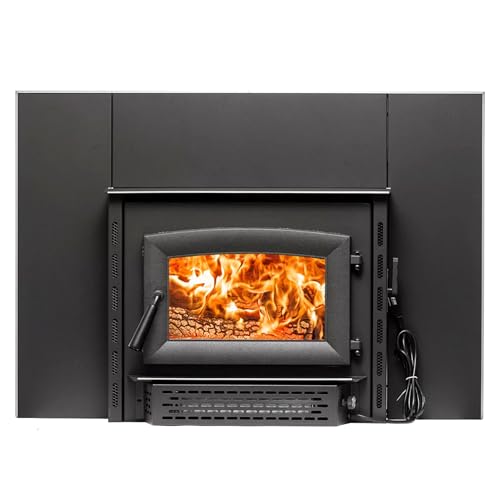
US Stove US1800E 1,200 sqft Wood Fireplace Insert
- ✓ Powerful heat output
- ✓ Easy installation
- ✓ Clean-burning efficiency
- ✕ Freight delivery only
- ✕ Not for mobile homes
| Heating Capacity | Up to 69,000 BTUs, suitable for spaces up to 1,200 square feet |
| Firebox Size | 1.2 cubic feet, accepts logs up to 18 inches in length |
| Blower | 150 CFM high-speed adjustable blower for heat distribution |
| Firebox Material | Heavy 10-gauge (0.135 in) reinforced plate steel |
| Interior Lining | Firebrick-lined for improved efficiency and durability |
| Chimney Compatibility | Designed for standard 6-inch chimney liner and system |
There’s something satisfying about finally getting a crack at a wood stove that promises serious heat—this US Stove US1800E had been on my wishlist for a while. When it arrived, I immediately noticed its robust, heavy-duty steel construction, and the large firebox that could handle logs up to 18 inches long.
It feels like a serious piece of equipment, built to last.
Setting it up was straightforward thanks to the generous 31-inch by 44-inch hearth surround with the spring-loaded adjustment system. I appreciated how easy it was to align and secure, even in my slightly uneven fireplace opening.
Once fired up, the flame view through the large ceramic glass was crystal clear, and the air-washed design kept it looking clean longer than expected.
The heat output is impressive—up to 69,000 BTUs, easily warming my 1,200 square foot living space. The adjustable 150 CFM blower distributes heat evenly, making the room cozy without hot spots.
I also liked that it’s EPA certified, so I know it burns cleanly and efficiently, with secondary combustion helping to reduce wood consumption and emissions.
Loading logs is simple, thanks to the spacious firebox, and the interior firebrick lining enhances efficiency and durability. The cast iron door with ceramic glass offers a great view of the fire while keeping the glass cleaner during long burns.
Overall, this stove combines power, efficiency, and a solid build—perfect for those who want reliable warmth and a traditional aesthetic.
Comfort Glow Wood Fireplace Insert CGWI1800

- ✓ Vivid, clear flame display
- ✓ Durable heavy-duty build
- ✓ Efficient heat distribution
- ✕ Slightly high price
- ✕ Larger footprint
| Heating Capacity | Heats up to 1,200 sq ft |
| Construction Material | Reinforced 3/16″ plate steel with firebrick lining |
| Log Length Capacity | Accommodates logs up to 18 inches in length |
| Blower Power | 100 CFM circulating blower included |
| Emission Standards | EPA-compliant with 2020 particulate emissions standards |
| Viewing Window | Large ceramic viewing window |
Staring into the large ceramic window of the Comfort Glow Wood Fireplace Insert CGWI1800, I was surprised to see how vivid the flames appeared even from a distance. It’s like having a mini fireplace art show right in your living room, and I hadn’t expected such a clear, mesmerizing display from a wood insert.
The heavy-duty construction immediately caught my eye—reinforced 3/16″ plate steel and firebrick lining make it feel solid and built to last. Loading logs up to 18 inches long was a breeze, and I appreciated how the design minimizes the fuss of frequent refueling.
The cast-iron door with a cool-touch handle added a layer of safety I didn’t realize I’d value so much.
The included 100 CFM blower really boosts heat circulation, making sure the warmth spreads evenly across my space of about 1,200 sq ft. It’s a noticeable difference from my old open fireplace, which just radiated heat in one direction.
The decorative faceplate was a nice touch, giving the whole setup a sleek, finished look that easily becomes the room’s centerpiece.
What truly impressed me is how eco-friendly and efficient this insert is—it meets EPA standards with secondary combustion, so I feel better about burning wood while keeping emissions lower. Overall, it’s a significant upgrade that transforms a traditional fireplace into a safe, stylish, and effective heating solution.
What Are Fireplaces for Wood Burning Stoves?
The best fireplaces for wood burning stoves come in various designs and materials to enhance both functionality and aesthetics in your home.
- Cast Iron Fireplaces: These fireplaces are known for their excellent heat retention and distribution. Cast iron can withstand high temperatures and is often used in traditional styled wood burning stoves, providing a rustic charm and long-lasting durability.
- Stone Fireplaces: Stone fireplaces offer a natural, timeless look and are highly durable. They can be constructed with various types of stone, including granite or limestone, and provide superior thermal mass, allowing them to retain heat for extended periods even after the fire has gone out.
- Brick Fireplaces: Classic and versatile, brick fireplaces are a popular choice for wood burning stoves. They can be designed to fit any space and provide good heat retention, making them efficient for heating a room while adding an inviting atmosphere.
- Prefabricated Fireplaces: These are factory-built units that come in various styles and can be installed relatively easily. Prefabricated fireplaces are often constructed from metal or other materials that allow for efficient burning and heat distribution, making them a modern choice for homeowners.
- Custom Built Fireplaces: Tailored to fit specific design preferences and space requirements, custom built fireplaces can be made from a variety of materials. They offer the ultimate flexibility in terms of aesthetics and functionality, allowing homeowners to create a unique centerpiece in their living area.
What Benefits Do Wood Burning Stoves Provide Over Traditional Fireplaces?
Wood burning stoves offer several advantages over traditional fireplaces, making them a popular choice for heating and ambiance.
- Efficiency: Wood burning stoves are designed to burn wood more efficiently, producing more heat from less fuel. This is achieved through advanced combustion technology that maximizes heat output while reducing smoke and emissions.
- Heat Distribution: Unlike traditional fireplaces that often lose heat through the chimney, wood stoves radiate heat into the room. This results in a more consistent and effective heating experience, allowing for better temperature control in the living space.
- Safety: Wood burning stoves typically have closed combustion systems with glass doors, reducing the risk of sparks and embers escaping. This makes them a safer option, particularly in homes with pets or small children.
- Space Efficiency: Many wood stoves have a compact design that can fit into smaller areas, providing a heating solution without taking up too much space. This is particularly beneficial for homes where floor space is limited.
- Reduced Maintenance: Wood stoves often require less maintenance than traditional fireplaces, as they have fewer parts that can wear out and are designed to minimize creosote buildup. This can lead to less frequent chimney cleaning and overall upkeep.
- Environmental Benefits: Modern wood stoves are engineered to burn more cleanly than traditional fireplaces, producing fewer emissions. This makes them a more environmentally friendly option when using sustainably sourced wood.
- Aesthetic Appeal: Wood burning stoves come in a variety of styles, designs, and finishes, allowing homeowners to choose one that complements their décor. Their modern aesthetic can enhance the visual appeal of any room compared to a more traditional fireplace.
What Essential Features Should You Consider When Choosing a Wood Burning Stove Fireplace?
When selecting the best fireplaces for wood burning stoves, several essential features should be considered to ensure efficiency, safety, and aesthetics.
- Efficiency Rating: Look for a wood burning stove with a high efficiency rating, typically above 70%. This indicates that the stove converts a greater portion of the wood’s energy into heat, resulting in less wood being needed and reduced emissions.
- Size and Heating Capacity: Choose a stove with the appropriate size and heating capacity for your space. It’s important to match the stove’s output with the square footage of the area you intend to heat to ensure optimal performance and avoid overheating.
- Material Quality: The material of the wood burning stove, such as cast iron or steel, impacts durability and heat retention. Cast iron stoves are known for their excellent heat retention, while steel stoves heat up quickly and are often lighter and more portable.
- Safety Features: Essential safety features include air wash systems, glass doors, and safety screens. These features help keep the stove clean, reduce the risk of sparks escaping, and provide a barrier between the fire and the living area.
- Emissions Standards: Check if the stove meets local or national emissions standards. Modern wood burning stoves are designed to produce fewer pollutants, making them more environmentally friendly and compliant with regulations.
- Design and Aesthetics: The design of the wood burning stove should complement your home’s interior. Options range from traditional to contemporary styles, allowing you to choose one that enhances the overall look of your space.
- Ease of Use: Consider features like adjustable air controls and easy-to-load fuel compartments. A user-friendly design can make it simpler to operate and maintain the stove effectively.
- Warranty and Support: A robust warranty and reliable customer support are important for peace of mind. This ensures that you can get assistance or replacements if issues arise with your stove over time.
What Are the Most Popular Designs for Wood Burning Stove Fireplaces?
The most popular designs for wood burning stove fireplaces are:
- Traditional Cast Iron Stoves: These stoves are known for their classic aesthetic and durability, often featuring intricate designs and patterns. They heat up quickly and retain heat for a long time, making them efficient for both ambiance and warmth.
- Modern Steel Stoves: With a sleek and minimalist design, modern steel stoves are popular for contemporary homes. They offer excellent heat output and can come with large glass doors to enhance the viewing of the fire, adding a stylish focal point to any room.
- Freestanding Wood Stoves: These versatile units can be placed anywhere in a room, making them a flexible option for heating. They come in various styles and sizes, allowing homeowners to choose one that fits their space and design preferences.
- Insert Fireplaces: Designed to fit into an existing fireplace, wood burning inserts provide a more efficient way to heat a room. They often come with improved insulation and can significantly enhance the heating capability of a traditional fireplace.
- Outdoor Wood Burning Stoves: These stoves are designed specifically for outdoor use, providing a cozy atmosphere for patios and gardens. They can be used for cooking or heating outdoor spaces and are often built with weather-resistant materials.
- Soapstone Stoves: Made from natural soapstone, these stoves have excellent thermal mass, allowing them to absorb and retain heat for longer periods. Their unique aesthetic and natural beauty make them a popular choice for those seeking a more rustic or organic look.
Which Brands Are Highly Rated for Wood Burning Stove Fireplaces?
Several brands are highly rated for wood burning stove fireplaces, known for their quality, efficiency, and design.
- Jotul: Renowned for their traditional cast iron designs, Jotul fireplaces are built to last and provide excellent heat retention. Their stoves often feature large viewing windows and efficient combustion systems, ensuring both aesthetics and functionality.
- Vermont Castings: This brand is celebrated for its combination of classic styling and modern performance. Vermont Castings offers a range of customizable options and uses high-quality materials to ensure durability and efficient heat output.
- Hearthstone: Hearthstone is known for its soapstone stoves, which provide exceptional heat retention and even distribution. Their unique designs often feature intricate carvings and are highly efficient, making them a popular choice among eco-conscious consumers.
- Woodstock Soapstone: Specializing in soapstone stoves, Woodstock offers units that are not only efficient but also provide long-lasting heat due to the material’s thermal properties. Their stoves are designed with a focus on clean-burning technology, promoting environmental sustainability.
- Pacific Energy: This brand is recognized for its innovative designs and emphasis on efficiency. Pacific Energy stoves often incorporate advanced combustion systems that maximize heat output and minimize emissions, making them a responsible choice for homeowners.
What Safety Measures Should Be Taken When Using a Wood Burning Stove?
When using a wood burning stove, there are several important safety measures to consider:
- Proper Installation: Ensure that your wood burning stove is installed according to local building codes and manufacturers’ guidelines. This includes maintaining adequate clearance from combustible materials and using appropriate chimney or flue systems to prevent fire hazards.
- Regular Maintenance: Schedule regular inspections and cleanings of your stove and chimney to prevent creosote buildup, which can lead to chimney fires. Keeping the stove and its components in good working condition will enhance safety and efficiency.
- Use Seasoned Wood: Only burn dry, seasoned wood to minimize smoke and creosote production. Wet or green wood can produce excessive smoke, which can create hazardous conditions and result in lower heating efficiency.
- Install Carbon Monoxide Detectors: Place carbon monoxide detectors in your home, especially near sleeping areas. This will alert you to dangerous levels of carbon monoxide, which is a colorless, odorless gas that can be produced by incomplete combustion in wood burning stoves.
- Keep a Fire Extinguisher Nearby: Have a fire extinguisher readily accessible in the vicinity of the wood burning stove. This provides a quick response option in case of an emergency, helping to prevent small fires from spreading.
- Practice Safe Loading: When adding wood to the fire, use metal tools like pokers to avoid burns, and do not overload the stove. Overloading can lead to excessive heat and increase the risk of chimney fires.
- Monitor the Stove: Never leave the stove unattended while it is in use, especially when it is at its peak temperature. Regularly checking the stove ensures you can respond quickly to any issues that may arise, such as excessive smoke or unusual odors.
- Ensure Adequate Ventilation: Make sure your home is well-ventilated when using a wood burning stove to avoid the accumulation of harmful gases. Proper airflow helps maintain a clean burn and improves indoor air quality.
How Do You Properly Maintain a Wood Burning Stove Fireplace?
Proper maintenance of a wood burning stove fireplace is essential for safety, efficiency, and longevity.
- Cleaning the Stove: Regular cleaning of the stove is crucial to ensure optimal performance and safety. This involves removing ashes, soot, and creosote buildup from the firebox and flue, which can otherwise lead to chimney fires and decreased efficiency.
- Inspecting the Chimney: An annual inspection of the chimney is necessary to check for blockages, cracks, or damage. A clean chimney allows for proper ventilation, reducing the risk of smoke backing up into the home and ensuring that the fire burns efficiently.
- Checking Seals and Gaskets: Over time, the seals and gaskets around the stove door may wear out, which can lead to air leaks. Inspecting and replacing these components helps maintain a tight seal, improving combustion efficiency and preventing smoke from escaping into your living space.
- Using Proper Fuel: Always use seasoned hardwoods for burning, as they produce less smoke and creosote compared to softwoods. This not only enhances the performance of your wood burning stove but also minimizes buildup and extends the time between cleanings.
- Controlling Airflow: Adjusting the airflow through the stove’s dampers is essential for maintaining a clean and efficient burn. Proper airflow control helps regulate the fire’s intensity and ensures that it burns at an optimal temperature, reducing emissions and maximizing heat output.
- Safety Checks: Regularly checking for carbon monoxide detectors and smoke alarms in your home is vital for safety. Ensuring these devices are functional provides an added layer of protection against the dangers associated with wood burning stoves.