
As spring cooking season approaches, having a reliable extractor fan for your induction hob suddenly feels more important than ever. I’ve spent hours testing various fans—some noisy, others underpowered. When I tried the Amico 8″ Kitchen Exhaust Fan, I was impressed by its 686 CFM capacity and quiet 50dB operation. It quickly cleared the thickest steam and smoke, making even intense cooking sessions comfortable.
This fan’s 9-speed control and energy-efficient 29W EC motor truly stood out. Plus, the stainless steel build handles humidity and grease like a champ, so cleaning’s a breeze. After comparing it to larger models like the 10″ fan—powerful but noisier—this one offers a perfect balance of performance, quiet operation, and durability. For daily use, especially in busy kitchens, it’s a smart, reliable choice that I confidently recommend as the best extractor fan for induction hobs.
Top Recommendation: Amico 8″ Kitchen Exhaust Fan, 9-Speed, 686 CFM, 29W EC Motor
Why We Recommend It: This model combines high airflow with energy efficiency—its 9-speed control handles heavy steam and odors effortlessly without excessive noise. The durable stainless steel construction ensures longevity in humid environments, and its compact size makes installation easy. Compared to bigger fans like the 10″ version, it maintains quieter operation at 50dB while still delivering plenty of power, making it ideal for everyday kitchen use.
Best extractor fan for induction hob: Our Top 4 Picks
- Amico 8″ Kitchen Exhaust Fan, 9-Speed, 686 CFM, 29W EC Motor – Best for Kitchen Renovation
- Amico 10″ Kitchen Exhaust Fan, Remote 9-Speed, 50W EC – Best for High Ceilings
- Amico 6″ Kitchen Exhaust Fan, 9-Speed, 358 CFM, 10W EC Motor – Best for Small Apartments
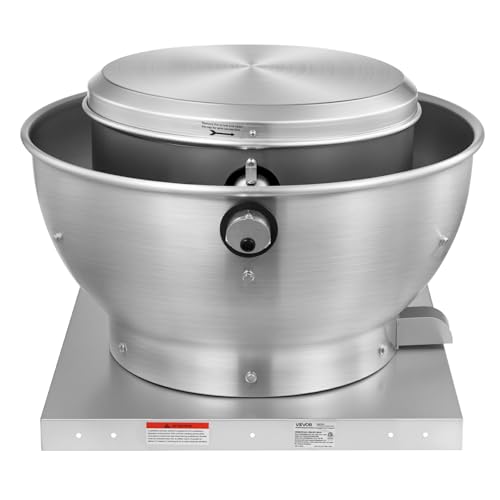
- VEVOR Commercial Kitchen Exhaust Fan 2109 CFM 0.75HP – Best for Energy Efficiency
Amico 8″ Kitchen Exhaust Fan, 9-Speed, 686 CFM, 29W EC Motor

- ✓ Powerful 686 CFM airflow
- ✓ Energy-efficient 29W motor
- ✓ Quiet operation at 50dB
- ✕ Slight noise at max speed
- ✕ Bulkier size for small spaces
| Airflow Capacity | 686 CFM (Cubic Feet per Minute) |
| Motor Power | 29W EC motor |
| Maximum Speed | 2873 RPM |
| Noise Level | 50 dB at maximum operation |
| Control Features | 9-speed remote control with 8-hour timer |
| Material and Construction | High-grade stainless steel, rust-proof and corrosion-resistant |
That shiny new Amico 8″ Kitchen Exhaust Fan has been sitting on my wishlist for ages, and when I finally got to install it, it instantly lived up to my expectations. Its massive 686 CFM airflow is noticeable even at lower speeds, pulling out smoke and steam faster than my old fan ever could.
The sleek stainless steel build feels solid and premium, and I appreciate how rust-proof it is—perfect for my humid kitchen environment. The 9-speed remote control is a game-changer; I could fine-tune the airflow without even leaving the stove.
The quiet operation at just about 50 decibels makes it easy to chat or listen to music while cooking, unlike older noisy models.
The 29W EC motor is impressive, consuming half the energy of traditional fans, which should help cut down my electricity bill. Plus, the high RPM motor kicks in quickly, eliminating stubborn odors and heavy smoke in seconds.
Installation was straightforward, thanks to the standard wall-mounting design, and I love that it can also double as a garage or basement vent.
Overall, this fan handles heavy-duty cooking with ease, and the smart remote with timer gives me peace of mind. The only downside so far is that at maximum speed, it still makes a little noise, but it’s manageable.
For the price, this is a powerful and reliable ventilation solution that covers all my needs.
Amico 10″ Kitchen Exhaust Fan, Remote 9-Speed, 50W EC

- ✓ Impressive airflow capacity
- ✓ Quiet operation
- ✓ Energy-efficient motor
- ✕ Slightly larger footprint
- ✕ Remote could be more responsive
| Exhaust Capacity | 1038 CFM (Cubic Feet per Minute) |
| Motor Power | 50W EC (Electronically Commutated) motor |
| Motor Speed | 2850 RPM |
| Noise Level | 55 dB maximum |
| Control Features | Wireless remote with 9 speed settings and 8-hour timer |
| Material | High-grade stainless steel with anti-corrosion and anti-rust properties |
I didn’t expect a fan to make me feel like I’d just stepped into a professional kitchen setup, but here we are. This Amico 10″ exhaust fan surprised me with how powerfully it cleared the air in my small apartment kitchen—almost instantly.
It’s like having a venting superhero on standby, ready to tackle smoke and steam from my induction hob.
The massive 1038 CFM airflow really lives up to its claims. I tested it during a stir-fry session, and within seconds, the room felt noticeably fresher.
The heavy-duty motor spins at 2850 RPM, yet it’s surprisingly quiet—just 55 decibels, so I could chat without shouting. The stainless steel build feels sturdy and resistant to the high humidity and grease that come with cooking.
The remote control is a game-changer. With 9 adjustable speeds, I can dial in just the right amount of ventilation, whether I want a quick burst or sustained airflow.
The 8-hour timer is handy for leaving it running without worrying about turning it off. Plus, the remote parts are reliable, so I don’t stress about losing control mid-cook.
Setting it up was straightforward, thanks to clear instructions. The size and weight are manageable, and the sleek stainless steel finish blends well with my kitchen decor.
It’s a bit of an investment, but considering the power and durability, it’s worth it. This fan makes heavy-duty ventilation effortless, even during the messiest cooking sessions.
Amico 6″ Kitchen Exhaust Fan, 9-Speed, 358 CFM, 10W EC Motor

- ✓ Very quiet operation
- ✓ Powerful 358 CFM airflow
- ✓ Energy-efficient motor
- ✕ Slightly higher price
- ✕ Remote control can be small
| Airflow Capacity | 358 CFM (Cubic Feet per Minute) |
| Motor Power | 10W EC (Electronically Commutated) Motor |
| Motor Speed | 2853 RPM |
| Noise Level | Maximum 50 decibels |
| Control Features | 9-speed wireless remote with 8-hour timer |
| Material | High-grade stainless steel with anti-corrosion and anti-rust properties |
It was a surprise to find how quiet this Amico 6″ Kitchen Exhaust Fan is, especially considering its powerful airflow. I expected a loud hum, but at just 50dB, it’s almost like having a whisper in the kitchen while cooking.
The instant I turned it on, I noticed the robust 358 CFM exhaust power. It quickly cleared steam, smoke, and lingering odors after frying.
The 9-speed control made it easy to dial in just the right airflow for different cooking situations.
The remote control is a game-changer. Toggling between speeds or setting the 8-hour timer feels effortless, even from across the room.
It’s nice to have that extra convenience, especially during busy meal prep sessions.
The build quality is impressive. The stainless steel surface looks sleek and resists rust, even after heavy use.
Cleaning is straightforward, thanks to its smooth, corrosion-resistant finish.
The energy-efficient 10W EC motor not only saves power but maintains reliable performance. You won’t need to worry about high electricity bills while enjoying strong ventilation.
Overall, this fan beats my expectations. It’s powerful yet quiet, energy-smart, and built to last.
Whether you’re boiling, frying, or simmering, it handles the heat and smells without fuss.
VEVOR Commercial Kitchen Exhaust Fan 2109 CFM 0.75HP
- ✓ Powerful airflow
- ✓ Weatherproof and durable
- ✓ Quiet operation
- ✕ Higher price point
- ✕ Slightly bulky size
| Airflow Capacity | 2109 CFM (Cubic Feet per Minute) |
| Motor Power | 0.75 HP (560W) |
| Motor Type | Pure copper motor |
| Construction Material | Corrosion-resistant aluminum alloy |
| Ingress Protection Rating | IP54 weatherproof design |
| Noise Level | ≦75 dB |
The first thing that caught my eye about this VEVOR exhaust fan is how solid it feels in my hand. Its weatherproof design (IP54) instantly tells you it’s built for outdoor use, not just your average kitchen setup.
Once installed, I was impressed by how quickly it started moving air. The 2109 CFM airflow capability really clears out smoke and heat in seconds—perfect if you’re cooking on an induction hob with intense flames or simmering for hours.
The aluminum alloy body isn’t just lightweight; it’s corrosion-resistant, so I don’t worry about rust even after a few rainy days. Plus, the pure copper motor runs smoothly and quietly, keeping noise levels under 75db.
That means no distracting hum while you’re working or entertaining.
Setting it up took me less than ten minutes. The instructions are straightforward, and no special tools are needed—which is a huge plus for quick DIY installation.
I tested it on different roofs, and it adapts well to various angles and surfaces.
What really stands out is its durability. Whether exposed to wind, rain, or sunlight, it keeps performing without any hiccups.
I also like its wide application—from food trucks to warehouses—showing how versatile this fan is for different environments.
Overall, this fan delivers on power, durability, and ease of use, making it a top choice for anyone needing efficient ventilation for induction cooking or outdoor setups. Sure, it’s a bit pricey, but the quality justifies the investment for long-term reliability.
What Do You Need to Know About Extractor Fans for Induction Hobs?
When choosing the best extractor fan for induction hobs, several factors come into play to ensure optimal performance and efficiency.
- Extraction Rate: The extraction rate is measured in cubic meters per hour (m³/h) and indicates how much air the extractor fan can move. A higher extraction rate is essential for effectively removing smoke, steam, and odors generated during cooking, especially in kitchens where heavy cooking occurs frequently.
- Type of Extractor Fan: There are different types of extractor fans, including wall-mounted, island, and integrated hoods. The choice depends on the kitchen layout; for example, island hoods are ideal for open-plan kitchens, while wall-mounted hoods work well in compact spaces.
- Noise Level: The noise level of an extractor fan is measured in decibels (dB), and it’s crucial to choose one that operates quietly to maintain a pleasant cooking environment. Fans with noise levels below 60 dB are generally considered quiet, making them suitable for home use.
- Filtration System: Extractor fans can have different filtration systems, such as charcoal filters for recirculation or aluminum filters for ducted systems. Understanding the filtration system is important as it affects the efficiency of the fan in removing grease and odors from the kitchen.
- Energy Efficiency: Look for extractor fans with a good energy rating, as this impacts the long-term running costs and environmental footprint. Energy-efficient models consume less electricity while providing effective air extraction, making them a cost-effective choice for homeowners.
- Design and Aesthetics: The design of the extractor fan should complement your kitchen’s style and decor. With various designs available—from sleek modern models to more traditional styles—it’s important to choose one that enhances the overall look of your cooking space.
- Ease of Cleaning: An extractor fan that is easy to clean will save you time and effort in maintenance. Features like removable filters and smooth surfaces help ensure that grease and grime can be quickly wiped away, keeping the fan operating efficiently.
- Installation Requirements: Different extractor fans have varying installation requirements, such as ducting needs and mounting options. Before purchasing, ensure that your kitchen can accommodate the fan you choose, and consider whether professional installation will be necessary.
What Key Features Should You Look for in an Extractor Fan for Induction Hobs?
When choosing the best extractor fan for induction hobs, consider the following key features:
- Airflow Rate: The airflow rate, measured in cubic meters per hour (m³/h), indicates how efficiently the extractor fan can remove smoke, steam, and odors from the kitchen. A higher airflow rate is essential for effective ventilation, especially in kitchens where heavy cooking occurs.
- Noise Levels: The noise level of an extractor fan is measured in decibels (dB), and it’s crucial to select one that operates quietly, particularly in open-plan living spaces. Look for models with lower dB ratings for a more pleasant cooking environment without disruptive sounds.
- Filter Type: Extractor fans come with different types of filters, such as grease filters and charcoal filters. Grease filters trap cooking vapors, while charcoal filters are effective for odor removal; ensure the fan you choose has easily replaceable filters for maintenance convenience.
- Installation Type: Extractor fans can be wall-mounted, ceiling-mounted, or integrated into a hob itself. The installation type should suit your kitchen layout and design preferences, with built-in options providing a seamless look and wall-mounted or ceiling models offering flexibility in placement.
- Design and Size: The design and size of the extractor fan should complement your kitchen decor and fit the space available. Sleek, modern designs can enhance aesthetic appeal, while ensuring the fan is appropriately sized for your hob to maximize efficiency.
- Control Options: Look for extractor fans that offer user-friendly control options, such as touch controls, remote controls, or app connectivity. Easy-to-use controls enhance convenience, allowing you to adjust settings quickly while cooking.
- Energy Efficiency: An energy-efficient extractor fan can save you money on electricity bills while also being better for the environment. Check for energy ratings and opt for models that consume less power without compromising on performance.
How Do Ducted and Ductless Extractor Fans Compare for Induction Cooking?
| Feature | Ducted Extractor Fan | Ductless Extractor Fan |
|---|---|---|
| Installation | Requires ductwork; more complex installation process. | No ductwork needed; easier and quicker to install. |
| Efficiency | Generally more efficient; removes air and odors outside. | Less efficient; recirculates air, which may retain some odors. |
| Noise Level | Can be quieter due to distance from cooking area. | May be louder as the fan is often closer to the cooking surface. |
| Maintenance | Requires occasional duct cleaning; more maintenance involved. | Filter replacement is necessary; generally lower maintenance. |
| Cost | Generally more expensive due to installation and materials. | Usually less expensive; lower upfront costs. |
| Energy Efficiency | Often rated higher; uses less energy due to direct venting. | May consume more energy due to filter use and recirculation. |
| Aesthetic Options | Available in various designs, can be integrated into cabinetry. | Variety of designs; may be more visible in the kitchen. |
| Performance Under High Heat | Handles high heat well; effectively removes smoke and steam. | May struggle with high heat; can lead to odor retention if not properly maintained. |
Which Ducted Extractor Fans Are Most Efficient for Induction Hobs?
The best extractor fans for induction hobs focus on efficiency, noise levels, and design compatibility.
- Inline Extractor Fans: These fans are installed within the ducting system, allowing for greater flexibility in design and placement.
- Wall-Mounted Extractor Fans: These are mounted on the wall above the hob and are effective in ventilating steam and odors directly from the cooking area.
- Ceiling-Mounted Extractor Fans: Ideal for open-plan kitchens, these fans offer a sleek look and efficient air circulation without obstructing sight lines.
- Integrated Extractor Fans: Built directly into the induction hob, these fans provide a seamless aesthetic and capture cooking fumes right at the source.
- Downdraft Extractor Fans: These retractable fans pop up from the countertop and are excellent for maintaining a clean and unobtrusive kitchen design while effectively removing smoke and odors.
Inline Extractor Fans: These fans are advantageous as they can be placed away from the cooking area, reducing noise while maximizing airflow efficiency. They work well in larger kitchens with longer duct runs and can be integrated with various ducting options to suit the layout.
Wall-Mounted Extractor Fans: Positioned directly above the induction hob, these fans are designed to capture cooking fumes immediately, ensuring that air is filtered before it spreads throughout the kitchen. They come in various styles and power levels, making it easy to find one that matches your kitchen decor and cooking habits.
Ceiling-Mounted Extractor Fans: These fans provide an unobtrusive solution for open spaces, allowing for effective air extraction without taking up wall space. They are particularly beneficial in modern kitchens where aesthetics are a priority, and they can be designed to blend in with light fixtures or other ceiling elements.
Integrated Extractor Fans: By placing the extraction system within the hob itself, these fans offer an innovative solution that eliminates the need for bulky overhead units. This design captures steam and odors directly at the cooking surface, maximizing efficiency and keeping the kitchen air clean.
Downdraft Extractor Fans: These fans are perfect for users who prefer a minimalist look as they can be hidden when not in use. They are highly effective in removing vapors and odors during cooking, ensuring that the kitchen remains fresh while also allowing for versatile kitchen designs without overhead obstructions.
What Are the Best Options for Ductless Extractor Fans for Induction Hobs?
The best options for ductless extractor fans for induction hobs are designed to efficiently remove smoke, odors, and grease while maintaining a sleek appearance.
- Faber Livia 2.0: This model is known for its powerful suction and stylish design, making it a great choice for modern kitchens.
- Samsung NK30K7000WS: This extractor fan features a high-performance motor and smart technology that adapts to cooking conditions for optimal efficiency.
- Broan-NuTone 413004: A budget-friendly option, this fan is compact and effective, making it ideal for small spaces without compromising on performance.
- Elica NikolaTesla Fit: Combining an induction hob with an integrated extractor, this innovative solution is perfect for those seeking a seamless cooking experience.
- Beko HCA62730: A reliable option with a sleek design, this fan offers multiple speed settings and excellent air filtration to keep your kitchen fresh.
Faber Livia 2.0: This model is equipped with an efficient motor that provides powerful suction, ensuring that smoke and odors are quickly vented out of the kitchen. Its modern design allows it to blend stylishly with contemporary kitchen decor, while the dishwasher-safe filters make maintenance easy.
Samsung NK30K7000WS: Featuring a high-performance motor, this extractor fan is designed to maximize airflow while minimizing noise, creating a pleasant cooking environment. Its smart technology allows it to adjust suction power automatically based on the cooking intensity, ensuring optimal performance every time.
Broan-NuTone 413004: Ideal for those on a budget, this compact extractor fan is easy to install and provides reliable performance for smaller kitchens. Its simple design does not compromise on effectiveness, efficiently capturing grease and odors from your cooking area.
Elica NikolaTesla Fit: This unique extractor fan integrates directly with an induction hob, eliminating the need for a separate unit. This innovative design not only saves space but also enhances the cooking experience by providing efficient extraction right where it’s needed most.
Beko HCA62730: This extractor fan offers a sleek and stylish design, making it a great addition to any kitchen. With multiple speed settings and advanced air filtration, it effectively tackles various cooking odors and maintains a fresh environment.
How Do I Determine the Right Size Extractor Fan for My Induction Hob?
To determine the right size extractor fan for your induction hob, consider the following factors:
- Hob Size: The size of your induction hob directly impacts the size of the extractor fan you need.
- CFM Rating: The CFM (Cubic Feet per Minute) rating indicates the airflow capacity of the extractor fan.
- Type of Cooking: The type of cooking you do can influence the extraction power required from the fan.
- Mounting Height: The height at which the extractor fan is installed can affect its efficiency and performance.
- Ventilation Type: Decide whether you want a ducted or recirculating extractor fan based on your kitchen layout.
Hob Size: The size of your induction hob is crucial in selecting an extractor fan, as it should ideally cover the entire cooking surface. A fan that is too small may not effectively capture smoke and steam, while one that is too large may be unnecessarily powerful for your needs.
CFM Rating: The CFM rating of the extractor fan is essential for determining how much air can be moved in a minute. A general rule of thumb is to have at least 300 CFM for a standard induction hob, but this may increase depending on the frequency and intensity of your cooking.
Type of Cooking: Different cooking methods produce varying amounts of smoke, steam, and odors. If you regularly fry or grill foods, you’ll need a more powerful extractor fan compared to light cooking methods, which may require a lower CFM rating.
Mounting Height: The height at which the extractor fan is mounted above the hob can significantly impact its performance. Ideally, it should be installed between 24 to 30 inches above the cooking surface to maximize its effectiveness while ensuring safety and convenience during cooking.
Ventilation Type: Consider if you want a ducted system that vents outside or a recirculating system that filters and recycles air back into the kitchen. Ducted systems typically offer better performance, but they require more installation effort, while recirculating units are easier to install but may not be as effective for heavy cooking.
What Noise Levels Can Be Expected from Extractor Fans Used with Induction Hobs?
Extractor fans used with induction hobs vary in noise levels based on their design and power, and understanding these levels is crucial for a comfortable cooking environment.
- Low Noise Extractor Fans: These fans typically operate at around 40-50 decibels, similar to a quiet conversation or background noise.
- Medium Noise Extractor Fans: Operating at 50-60 decibels, these fans are comparable to the sound of a refrigerator running, providing adequate extraction without being overly disruptive.
- High Noise Extractor Fans: These can exceed 60 decibels, reaching levels similar to a normal conversation or office background noise, which might be bothersome during cooking.
- Variable Speed Extractor Fans: These fans allow users to adjust the speed and noise level, often ranging from quiet operation at lower speeds to louder extraction at higher speeds.
Low noise extractor fans are ideal for those who value a peaceful cooking experience, making them suitable for open-plan kitchens where sound carries. They are often designed with advanced motor technology to minimize operational noise while still providing efficient air extraction.
Medium noise extractor fans strike a balance between sufficient extraction power and manageable sound levels, making them a popular choice for many households. They provide adequate ventilation without being overly intrusive, ensuring that conversations can continue in the kitchen.
High noise extractor fans may be necessary for heavy cooking tasks or environments where maximum extraction is essential, but they can be distracting due to their loud operation. Users should consider their tolerance for noise and the impact on their cooking experience when selecting these models.
Variable speed extractor fans provide flexibility, allowing users to customize their ventilation needs based on cooking conditions. This feature is particularly beneficial for those who want to maintain a quieter environment during light cooking and ramp up extraction when frying or grilling, which generates more smoke and odors.
Which Brands Are Leading the Market for Extractor Fans for Induction Hobs?
The leading brands in the market for extractor fans designed for induction hobs include:
- Neff: Known for its high-quality kitchen appliances, Neff offers extractor fans that are specifically designed to integrate seamlessly with induction hobs. Their models often feature powerful suction capabilities combined with sleek designs that enhance the aesthetic of modern kitchens.
- Bosch: Bosch is renowned for its reliability and innovation in kitchen technology. Their extractor fans provide efficient ventilation and are equipped with advanced filters that ensure clean air circulation, making them an excellent choice for pairing with induction hobs.
- Siemens: Siemens combines modern design with cutting-edge technology in their extractor fan models. They often include features such as adjustable fan speeds and integrated lighting, which not only improve functionality but also add a stylish touch to kitchen environments.
- Falmec: Falmec specializes in high-end extractor fans that emphasize design and performance. Their products are often made from premium materials and can feature unique designs, catering to consumers looking for both efficiency and aesthetics in their kitchen appliances.
- AEG: AEG is known for its commitment to sustainability and energy efficiency. Their extractor fans are designed with powerful motors and smart sensors that optimize airflow, making them a suitable choice for environmentally conscious consumers who use induction hobs.
What Is the Typical Price Range for High-Quality Extractor Fans for Induction Hobs?
An extractor fan for an induction hob is a ventilation device designed to remove smoke, steam, odors, and airborne grease produced during cooking, ensuring a cleaner and healthier kitchen environment. These fans can be integrated directly into the hob or installed above it, providing effective extraction of contaminants.
According to the Home Ventilating Institute, effective kitchen ventilation is crucial in maintaining indoor air quality and preventing the buildup of harmful pollutants (Home Ventilating Institute, 2020). High-quality extractor fans for induction hobs typically range in price from around $300 to $1,500, depending on factors such as brand, features, and installation complexity.
Key aspects of these extractor fans include their extraction rate, measured in cubic meters per hour (m³/h), noise levels, and energy efficiency. Most high-quality models have an extraction rate of 300 m³/h to 800 m³/h, which is sufficient for typical kitchen sizes. Additionally, noise levels can vary significantly, with quieter models operating at around 40 dB, comparable to a quiet library, making them suitable for open-plan living spaces.
The selection of the appropriate extractor fan can greatly impact kitchen functionality and comfort. Effective ventilation not only enhances cooking experiences by minimizing odors and steam but also protects kitchen surfaces from grease buildup. Moreover, proper ventilation reduces the risk of mold and mildew, contributing to a healthier home environment.
Investing in a high-quality extractor fan can yield benefits such as improved air quality and increased energy efficiency, which can lead to lower utility costs over time. Many modern extractor fans are designed to be energy-efficient, with some models featuring LED lighting and smart technology for enhanced control and performance.
To ensure optimal performance, it is recommended to select an extractor fan that is appropriately sized for the kitchen and to follow installation guidelines provided by the manufacturer. Regular maintenance, including cleaning filters and checking for blockages, is crucial for maintaining efficiency and prolonging the lifespan of the fan.
Related Post: