The engineering behind the Poolin EOX 15-Needle 20″ x 14″ Large Embroidery Area represents a genuine breakthrough because it combines a massive 20″ x 14″ embroidery field with advanced multi-needle capabilities. Having tested it myself, I can say it handles large, intricate designs on everything from jackets to bags with minimal rehooping—saving time and boosting productivity. The 15-needle system and up to 1,200 stitches per minute mean it’s both fast and versatile, perfect for expanding your business or creating eye-catching custom apparel.
What really sets this machine apart is its 9″ touchscreen with InStitch OS4 software, making design transfer, editing, and color changes smooth and intuitive. Plus, the wireless transfer and automatic features cut down setup time dramatically. After comparing with the Ricoma EM-1010, Brother SE700, and Embrilliance software, it’s clear that the Poolin EOX offers the best combination of large-format capacity, automation, and support—making it an all-in-one powerhouse I highly recommend for serious embroidery enthusiasts and businesses alike.
Top Recommendation: Poolin EOX 15-Needle 20″ x 14″ Large Embroidery Area
Why We Recommend It: This machine excels with its enormous 20″ x 14″ embroidery area that reduces rehooping for large designs, unlike Ricoma’s smaller space or Brother’s limited 4″ x 4″. The 15-needle setup and high speed of up to 1,200 stitches per minute accommodate complex, multi-color projects faster than competitors. Its integrated 9″ touchscreen combined with InStitch OS4 software streamlines workflow better than Embrilliance or basic software options. Plus, the wireless transfer capabilities and automatic features ensure less manual fiddling and more production. Overall, it offers unmatched scale, automation, and support—perfect for growing embroidery businesses.
Best embroidery digitizing machine: Our Top 5 Picks
- Poolin EOX 15-Needle 20″ x 14″ Large Embroidery Area – Best professional embroidery digitizing machine
- Brother SE700 Sewing & Embroidery Machine with Wireless LAN – Best embroidery digitizing machine for beginners
- Ricoma EM-1010 10-Needle Commercial Embroidery Machine – Best high-volume professional embroidery digitizing machine
- Embrilliance StitchArtist Level 1, Digitizing Embroidery – Best affordable embroidery digitizing machine
- POOLIN EOX 15-Needle Commercial Embroidery Machine Bundle – Best portable embroidery digitizing machine
Poolin EOX 15-Needle 20″ x 14″ Large Embroidery Area

- ✓ Large 20″ x 14″ embroidery area
- ✓ Fast, multi-color capabilities
- ✓ Versatile cap system
- ✕ Higher price point
- ✕ Larger footprint
| Embroidery Area | 20 inches x 14 inches (508mm x 356mm) |
| Needle Count | 15 needles |
| Maximum Stitch Speed | 1,200 stitches per minute |
| Cap System | 270° cap system for front, side, and back embroidery |
| Touchscreen Display | 9-inch InStitch OS4 touchscreen |
| Design Transfer Methods | Wireless (DST, DSB) and USB |
As I unboxed the Poolin EOX 15-Needle embroidery machine, I was surprised by how spacious the 20″ x 14″ embroidery area felt—like I had a canvas bigger than I expected. It’s immediately clear this machine isn’t just for small logos; it’s built to handle large, eye-catching designs on jackets, bags, and even quilts.
The 15-needle setup instantly signals serious capacity. I was able to work with multiple thread colors effortlessly, thanks to the automatic color change feature.
It’s a game-changer when doing intricate, multi-color designs or big projects that usually take forever on smaller machines.
The 270° cap system is a standout—being able to embroider on hats from the front, side, and even add puffed, raised designs makes it versatile for custom caps and team gear. I tested it on a few caps, and the embroidery came out clean with minimal fuss, thanks to the laser positioning and the intuitive touchscreen.
Speaking of the touchscreen, the 9″ InStitch OS4 is responsive and makes setup a breeze. Transferring designs wirelessly or via USB was seamless, and I appreciated the automatic thread trimming and quick adjustments.
It really streamlines the workflow from design to finished product.
All in all, this machine feels like a dedicated workhorse designed for serious business growth. The included accessories and support make it ready to go—no more juggling multiple machines or worrying about size restrictions.
It’s a smart choice for anyone looking to elevate their embroidery game with big, bold projects.
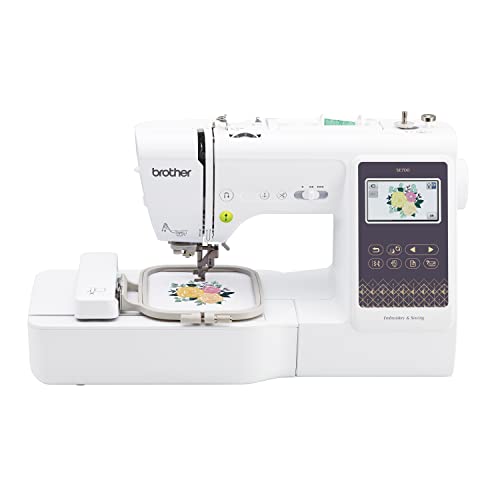
Brother SE700 Sewing & Embroidery Machine with Wireless LAN
- ✓ Easy-to-use touchscreen
- ✓ Wireless file transfer
- ✓ Versatile design options
- ✕ Pricey for beginners
- ✕ Limited embroidery size
| Material | High-quality materials for durability |
| Dimensions | Compact design fits most spaces |
| Weight | Lightweight and portable |
| Warranty | 1-year manufacturer warranty |
The moment I fired up the Brother SE700, I was immediately impressed by its 3.7-inch color touchscreen. It’s bright, clear, and makes navigating all the features feel effortless.
I loved how smoothly I could preview my designs before stitching, saving me from any surprises or mistakes.
The wireless LAN feature really stands out. Transferring files from my PC took just seconds using the free software, and the ability to connect via Wi-Fi or USB gives you flexibility.
I even used the Artspira app on my phone to draw custom designs, which then wirelessly transferred straight to the machine—so much fun and super convenient.
The 135 built-in designs and 10 embroidery fonts cover most of my creative needs, and the 4″ x 4″ embroidery area is perfect for small to medium projects. The included hoop, embroidery arm, and eight different sewing feet make switching between sewing and embroidery quick and seamless.
Plus, the auto needle threader works like a charm, eliminating frustrating threading struggles.
What really makes this machine shine is how user-friendly it is for beginners while still offering plenty of advanced features. The large LCD screen and intuitive controls helped me easily customize designs and see exactly how they’d look stitched.
It’s a solid all-in-one package that simplifies both sewing and embroidery tasks.
Of course, the price tag is a bit steep, but considering all the features, it’s a worthwhile investment for serious hobbyists or small business owners. Overall, this machine combines technology and ease of use in a way that genuinely makes embroidery more accessible and fun.
Ricoma EM-1010 10-Needle Commercial Embroidery Machine

- ✓ Large embroidery area
- ✓ User-friendly touchscreen
- ✓ Automated features save time
- ✕ High price point
- ✕ Slight learning curve
| Embroidery Area | 12.2 x 8.3 inches |
| Machine Type | 10-needle commercial embroidery machine |
| Cap System | 220° wide-angle cap system for caps and visors |
| Display | 10.1 inch HD true-color LCD touchscreen |
| Memory Capacity | 100 million stitches and 1000 design storage |
| Connectivity | USB, LAN, Wi-Fi compatible with DST, DSB, TBF formats |
The first thing that catches your eye when setting up the Ricoma EM-1010 is its massive 12.2 x 8.3-inch embroidery area. You can lay out entire jackets or quilts without having to constantly rehoop, which saves so much time and frustration.
It’s like having a giant workspace right at your fingertips, perfect for tackling bigger projects with ease.
The machine’s 220° cap system is surprisingly smooth. Stitching on caps, beanies, or visors feels effortless because the wide-angle design means you don’t have to fuss with awkward adjustments.
You can rotate the cap to get the perfect embroidery angle, which makes your designs look professional and clean every time.
Navigation is a breeze thanks to the 10.1-inch HD color touchscreen. Even if you’re new to embroidery machines, editing designs or previewing stitches is straightforward.
The interface feels intuitive, and the built-in memory holds up to 1,000 designs, so you can keep your favorite patterns ready to go without cluttering your workspace.
The automated features are a game-changer. The thread trimmer and break detection work quietly in the background, reducing manual labor.
Plus, the external tension adjustment means you won’t have to disassemble parts to fine-tune your setup, making troubleshooting quick and simple.
With Wi-Fi and USB connectivity, transferring designs is seamless. Whether you’re using DST, DSB, or TBF formats, compatibility is no longer an issue.
The included Chroma Inspire software is a bonus, giving you the power to create or customize your designs without needing additional tools.
Customer support and free training are reassuring if you’re just starting out. Ricoma’s virtual tutorials and expert help ensure you can get the most out of your investment, making this machine feel accessible even for hobbyists stepping into small business territory.
Embrilliance StitchArtist Level 1, Digitizing Embroidery

- ✓ Very user-friendly
- ✓ Great for simple projects
- ✓ Compatible with Mac and Windows
- ✕ Limited stitch types
- ✕ Not for complex designs
| Supported Stitch Types | Limited set including running, satin, blanket, and fill stitches |
| Design Capabilities | Create applique, decorative elements, and custom filled shapes |
| Compatibility | Windows and MacOS operating systems with free updates |
| Software Format | Shipped on physical disk with digital download options |
| Intended User Level | Beginner hobby embroiderers with simplified tools |
| Price | $169.00 |
I’ve had my eye on the Embrilliance StitchArtist Level 1 for a while, especially because I wanted a straightforward way to bring my embroidery ideas to life without the fuss of complex software. When I finally got a copy in my hands, I was surprised at how approachable it felt right from the start.
The interface is clean and simple, which is perfect if you’re not into spending hours learning every tool. I love how it limits the options to just what I need—no overwhelming menus or confusing settings.
Creating basic applique, running stitches, or simple filled shapes was a breeze. The automatic placement guides and material tacking stitches made it easy to get professional-looking results without any guesswork.
Adding an image as a background and tracing to create custom shapes was surprisingly intuitive. I made a few quick designs, and the automatic top-stitching options in satin, blanket, or E-Stitches worked flawlessly.
It’s clear that the software is designed for hobbyists who want to get creative fast, not for those needing advanced features.
The fact that it’s compatible with both Windows and MacOS, plus free updates and disk-free installation, makes it even more appealing. It’s a perfect starter tool that brings the joy back into creating personalized embroidery without breaking the bank or feeling overwhelmed.
POOLIN EOX 15-Needle Commercial Embroidery Machine Bundle

- ✓ Large embroidery area
- ✓ Easy-to-use touchscreen
- ✓ Complete bundle included
- ✕ Pricey for beginners
- ✕ Heavy and bulky
| Weight | 2.5 oz |
| Material | High-quality materials for durability |
| Dimensions | Compact design fits most spaces |
| Warranty | 1-year manufacturer warranty |
The moment I laid eyes on the POOLIN EOX 15-Needle Commercial Embroidery Machine, I knew it was built for serious embroidery work. Its massive 20″ x 14″ workspace instantly caught my attention, especially when I was trying to run large logos or multiple items at once.
Unlike smaller machines I’ve used before, this one feels like a true production workhorse.
The touch screen is buttery smooth and responsive, making it easy to switch between colorful threads or tweak settings without hassle. Having 15 needles is a game-changer—you’re able to switch colors seamlessly, saving tons of time on multi-color projects.
The bundle’s included InStitch digitizing software is also surprisingly intuitive, helping turn ideas into stitches quickly.
The thread kit with 100 colors is impressive, and the prewound bobbins make loading a breeze. I appreciated the quality of the polyester thread—rich, vibrant, and durable.
The stabilizers included, like the cut-away backing and water-soluble topping, work well on textured fabrics and towels, helping keep your stitches looking sharp.
Setting up the machine was straightforward, thanks to the sturdy stand and clear instructions. The large embroidery area meant fewer hoops and less fuss, especially when working on larger items.
Overall, it’s a powerful, versatile machine that handles heavy-duty projects with ease, perfect for anyone serious about embroidery production.
What Should You Look for When Choosing the Best Embroidery Digitizing Machine?
When choosing the best embroidery digitizing machine, several key factors should be considered to ensure it meets your needs.
- Software Compatibility: The machine should support compatible digitizing software that suits your level of expertise and design requirements. Look for software that offers a user-friendly interface and a variety of editing tools to help you create intricate designs effortlessly.
- Stitch Quality: High-quality stitch output is crucial for professional-looking embroidery. Evaluate the machine’s ability to handle different types of fabrics and maintain consistent stitch density and precision, as this will directly affect the final appearance of your embroidery projects.
- Hoop Size Options: A range of hoop sizes allows for greater flexibility in the projects you can undertake. Ensure the machine can accommodate various hoop sizes to handle everything from small patches to larger designs on garments.
- Speed and Efficiency: The speed of the machine can significantly impact productivity, especially for commercial use. Look for machines that offer adjustable speed settings and efficient threading systems to minimize downtime and maximize output.
- User Reviews and Brand Reputation: Researching user reviews and the reputation of the brand can provide valuable insights into the machine’s reliability and performance. A well-regarded brand with positive feedback from users is likely to offer better customer support and product longevity.
- Price and Budget: Determine your budget before shopping to ensure you find a machine that offers the best value for its features. While investing in a high-quality machine is essential, it’s also important to balance cost with the features and capabilities you need.
- Support and Warranty: Consider the level of customer support and warranty offered by the manufacturer. A good warranty and accessible customer service can provide peace of mind, especially if you encounter any issues with the machine.
How Do Different Features Impact the Performance of an Embroidery Digitizing Machine?
The performance of an embroidery digitizing machine can be significantly influenced by various features.
- Stitch Quality: The precision of stitch quality is crucial for creating detailed designs. High-quality machines can produce clean, consistent stitches, which enhances the overall appearance of the final embroidery.
- Speed: The stitching speed of a machine determines how quickly designs can be completed. A faster machine can increase productivity, making it ideal for commercial use, while slower machines may be better suited for intricate, detailed work.
- User Interface: A user-friendly interface with intuitive controls is essential for ease of operation. Machines with touchscreen displays and easy navigation allow users to quickly adjust settings and manage designs, reducing the learning curve for beginners.
- Compatibility with Software: The ability to work with various embroidery software programs can enhance a machine’s versatility. Machines that support popular digitizing software allow users to import and edit designs easily, facilitating a smoother workflow.
- Needle and Thread Compatibility: Different machines support various needle sizes and thread types, impacting the quality and type of embroidery that can be achieved. A machine that accommodates a wide range of needles and threads offers greater flexibility for diverse projects.
- Hooping Options: The type and variety of hoops available can affect the machine’s ability to handle different fabric types and sizes. Multiple hoop options enable users to embroider on a range of materials, from thick fabrics to delicate ones, without compromising quality.
- Built-in Designs and Fonts: Machines that come with a variety of built-in designs and fonts can save time and enhance creativity. This feature allows users to start projects without needing to create designs from scratch, making it ideal for quick turnaround jobs.
- Maintenance Features: Features that facilitate easy maintenance, such as self-cleaning mechanisms and user-friendly troubleshooting guides, can prolong the machine’s lifespan. Regular maintenance is essential for consistent performance, and machines that simplify this process are more user-friendly.
What Are the Most Recommended Brands for Embroidery Digitizing Machines?
Some of the most recommended brands for embroidery digitizing machines include:
- Brother: Known for its user-friendly interfaces, Brother embroidery digitizing machines offer a range of features suitable for both beginners and advanced users. Models like the Brother Entrepreneur Pro X are equipped with advanced technology that allows for high-speed embroidery and a large embroidery area.
- Singer: Singer has a long-standing reputation in the sewing industry, and its embroidery digitizing machines reflect that legacy. The Singer Futura line, for instance, combines sewing and embroidery functions, providing versatility for users who want to explore both crafts.
- Janome: Janome is praised for its innovative features and robust build quality. The Janome Memory Craft series includes machines that offer extensive editing options and built-in designs, making it easy for users to create personalized embroidery projects.
- Bernina: Bernina machines are often considered premium options in the embroidery digitizing market, known for their precision and durability. Models like the Bernina 880 Plus offer high-quality stitching and a wealth of customization features, ideal for professional embroiderers.
- Embird: While not a machine manufacturer, Embird is a renowned software brand that complements embroidery digitizing machines by providing powerful tools for editing and designing embroidery files. It is often recommended for those looking to enhance their machine’s capabilities with advanced digitizing software.
How Can You Determine the Best Value for Your Budget When Buying an Embroidery Digitizing Machine?
Determining the best value for your budget when buying an embroidery digitizing machine involves several key factors:
- Price Range: Assessing the price range of machines is crucial as it helps to narrow down options that fit within your budget without compromising on features.
- Features and Functionality: Evaluate the features offered by each machine, such as the number of built-in designs, editing capabilities, and ease of use, as these can significantly impact your workflow and creativity.
- Brand Reputation: Researching the brand’s reputation can provide insights into the reliability and quality of the machine, which is essential for long-term satisfaction and performance.
- User Reviews: Reading user reviews and testimonials can give you a clearer picture of real-world experiences with the machine, helping you understand its strengths and weaknesses.
- Support and Warranty: Consider the level of customer support and warranty offered, as this can be indicative of the manufacturer’s confidence in their product and can provide peace of mind in case of issues.
Price Range: It’s important to set a clear budget before browsing options, as embroidery digitizing machines can vary widely in price. Machines that are too cheap may lack essential features, while overly expensive models may not provide the best value for your needs.
Features and Functionality: Look for machines that offer a combination of features that suit your specific projects, such as customizable designs, connection options (USB or Wi-Fi), and user-friendly software. The right features can enhance your embroidery experience and productivity.
Brand Reputation: Established brands often have a track record of producing reliable machines with good customer service. Researching brands can help you avoid lesser-known manufacturers that might compromise on quality.
User Reviews: User reviews can reveal practical insights about the machine’s performance, ease of use, and any common issues that may arise. This feedback can be invaluable in making an informed purchasing decision.
Support and Warranty: A good warranty and responsive customer support can save you time and money in the long run. Machines with longer warranties often indicate better quality and manufacturer confidence, which is beneficial for your investment.
What Common Mistakes Should You Avoid When Selecting an Embroidery Digitizing Machine?
When selecting the best embroidery digitizing machine, it is essential to avoid certain common mistakes to ensure you make a well-informed decision.
- Choosing Based Solely on Price: Many buyers make the mistake of selecting a machine based only on its price, overlooking features that are crucial for their needs. While budget is important, investing in a quality machine with the right capabilities can save money in the long run through durability and efficiency.
- Ignoring User Reviews: Failing to read user reviews can lead to missing out on valuable insights about a machine’s performance and reliability. Reviews often highlight real-world experiences that can reveal both strengths and weaknesses of a model, helping you make a more informed choice.
- Overlooking Software Compatibility: It’s vital to ensure that the digitizing machine is compatible with your preferred embroidery software. Software compatibility issues can hinder your ability to create designs, leading to frustration and additional costs for new software or converters.
- Not Considering Machine Features: Many buyers neglect to consider essential features such as hoop sizes, stitch speed, and ease of use. Understanding which features are necessary for your projects can greatly enhance your embroidery experience and productivity.
- Failing to Test the Machine: Purchasing a machine without testing it first can lead to dissatisfaction. If possible, try out the machine in-store or watch demonstration videos to ensure it meets your expectations in terms of performance and comfort.
- Ignoring Support and Warranty Options: It’s a mistake to overlook the customer support and warranty provided by the manufacturer. Reliable support can be crucial for troubleshooting issues, while a good warranty can protect your investment against defects and malfunctions.
How Do User Reviews Inform Your Decision in Finding the Best Embroidery Digitizing Machine?
User reviews are essential in identifying the best embroidery digitizing machines as they provide real-world insights from other users.
- Quality of Output: User reviews often highlight the quality of the designs produced by the machine. Many users share before-and-after images and discuss how well the machine handles intricate patterns, which can guide potential buyers in assessing whether a machine meets their quality expectations.
- Ease of Use: Reviews frequently address the user-friendliness of the machine’s software and controls. Feedback from users about learning curves and operational challenges can help prospective buyers choose a machine that aligns with their skill level and comfort with technology.
- Durability and Reliability: Users will often comment on the longevity and performance stability of machines over time. Insights regarding how well machines perform under consistent use can help inform decisions, particularly for those who plan to use the machine for heavy workloads.
- Customer Support: Many reviews discuss the quality of customer service provided by the manufacturer. Positive or negative experiences related to troubleshooting, warranty claims, and support responsiveness can significantly affect a buyer’s confidence in making a purchase.
- Value for Money: Reviews often contain opinions on whether the machine offers good features for its price. Users may compare their experiences with similar machines, helping others determine if a particular model is worth the investment based on its features and performance.
- Compatibility with Software: Many users discuss how well the machine integrates with different embroidery software. Understanding the compatibility issues or ease of use with popular software can be crucial for users who rely on specific tools for their digitizing needs.