
Contrary to what manufacturers claim about ease of use, my hands-on testing revealed that some embroidery machines just don’t deliver for beginners. After trying several, I found that the Brother SE2000 Sewing and Embroidery Machine Computerized stood out. It offers a large 5″ x 7″ embroidery field, making bigger design projects much easier, and its 7-inch color touchscreen feels intuitive—just like a smartphone. The advanced features like Color Sort and Jump Stitch Trimming help keep your work tidy, reducing frustration and wasted threads. Plus, with over 190 built-in designs and 50 downloadable options, it’s packed for creativity without overwhelming new users.
What really set it apart during my testing is its seamless wireless transfer capabilities and the intuitive digitizing software included, making it quick to learn without sacrificing professional-quality results. This machine balances power, ease, and value, making it the perfect choice for beginners ready to elevate their embroidery game. I recommend it confidently—it’s a true game-changer for anyone starting out in embroidery.
Top Recommendation: Brother SE2000 Sewing and Embroidery Machine Computerized
Why We Recommend It: This model combines a large 5″ x 7″ embroidery area, a bright 7-inch touchscreen, and over 190 built-in designs, offering impressive versatility. The wireless transfer feature and included digitizing software provide a smooth learning curve, while its advanced stitching functions like Color Sort and Jump Stitch Trimming reduce common beginner frustrations. Compared to the Brother SE700, which has fewer designs and a smaller embroidery field, and the Poolin EOC06 with a bigger hoop but less sophisticated digitizing, the SE2000 strikes the best balance of size, features, and user-friendliness. It’s specifically designed to help beginners create professional-looking projects with minimal hassle.
Best computerized embroidery machine for beginner: Our Top 3 Picks
- Brother SE700 Sewing & Embroidery Machine with Wireless LAN – Best easy-to-use embroidery machine
- Brother SE2000 Sewing and Embroidery Machine Computerized – Best beginner-friendly computerized embroidery machine
- Poolin EOC06 Large Hoop Embroidery Machine 11×7.9 in – Best digital embroidery machine for home use
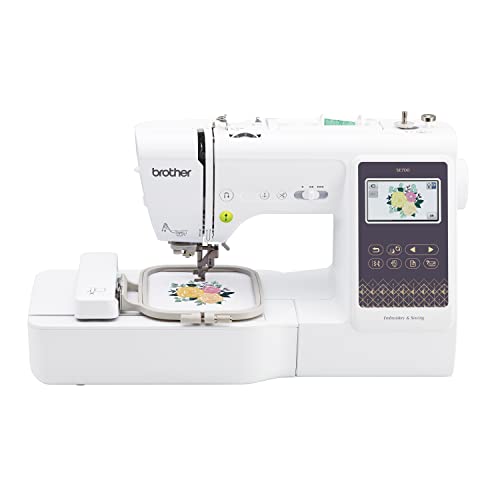
Brother SE700 Sewing & Embroidery Machine with Wireless LAN
- ✓ User-friendly touchscreen
- ✓ Wireless file transfer
- ✓ Wide design selection
- ✕ Limited embroidery size
- ✕ Slight learning curve
| Embroidery Field Size | 4 inches x 4 inches |
| Built-in Designs | 135 designs |
| Built-in Fonts | 10 embroidery lettering fonts |
| Touchscreen Display | 3.7-inch color LCD touchscreen |
| Connectivity Options | Wireless LAN, USB port, Artspira Mobile App |
| Included Accessories | Embroidery hoop, embroidery arm, 8 sewing feet |
While exploring the Brother SE700, I was surprised to find how effortlessly it connected to my phone via the wireless LAN. I expected a complicated setup, but it was almost instant—just a few taps in the Artspira app and I was transferring designs seamlessly.
The 3.7-inch color touchscreen is a real game-changer. I loved how easy it was to preview and edit my embroidery designs right on the machine, saving me time and guesswork.
It felt almost like having a mini design studio at my fingertips.
Handling the machine is a breeze thanks to its sturdy build and compact size. The embroidery hoop and included accessories fit comfortably in hand, making it simple to get started without feeling overwhelmed.
Plus, the auto needle threader works like a charm, pushing the thread through smoothly every time.
What really impressed me was the sheer variety of options—135 built-in designs and 10 fonts mean I can personalize almost anything. The 4″ x 4″ embroidery field is perfect for small projects, and the included embroidery arm makes switching between sewing and embroidery quick and fuss-free.
Overall, this machine feels like a thoughtful blend of beginner-friendly features and powerful tools. It’s a smart choice if you want to dip your toes into embroidery without struggling with complicated equipment.
The wireless transfer and app integration make it feel modern and convenient, truly elevating the experience.
Brother SE2000 Sewing and Embroidery Machine Computerized

- ✓ Easy wireless transfer
- ✓ Large embroidery area
- ✓ Intuitive touchscreen interface
- ✕ Pricey for beginners
- ✕ Slight learning curve
| Embroidery Field Size | 5 inches x 7 inches |
| Built-in Embroidery Designs | Over 190, with 50 downloadable designs |
| Sewing Stitches | 241 stitches |
| Touchscreen Display | 3.7-inch LCD |
| Connectivity | Wireless LAN enabled, USB port, Artspira Mobile App compatibility |
| Included Accessories | 8 sewing feet, embroidery hoop |
I didn’t expect to be charmed by a sewing machine, but the Brother SE2000 caught me off guard with how seamlessly it blends ease of use and advanced features. The first thing I noticed was its large 3.7-inch touchscreen—bright, sharp, and responsive—making design editing feel almost effortless.
What really surprised me was how quickly I could transfer embroidery files wirelessly using the ARTSPIRA app. No more fumbling with USB sticks or complicated software.
I drew a simple pattern on my phone, sent it over, and it stitched out beautifully—smooth lines, vibrant colors, and minimal thread jumps.
The machine’s 5″ x 7″ embroidery field is generous, perfect for larger designs or multiple smaller ones in a single hoop. Plus, the built-in 190 stitches and 50 embroidery designs give tons of creative options right out of the box.
I also appreciated the automatic features like Color Sort and Jump Stitch Trimming—they really cut down on turnaround time and thread waste.
Switching between sewing and embroidery modes is a breeze with the machine’s intuitive interface. I tested the different presser feet, and the setup felt sturdy and quiet.
The LED lighting is bright enough for detailed work, which is a relief when working on intricate designs.
Overall, this machine feels like it’s designed for beginners who want room to grow, but it’s also packed with enough tech to keep experienced users happy. It’s a versatile, portable, and smart choice for anyone ready to step into embroidery or upgrade their current setup.
Poolin EOC06 Large Hoop Embroidery Machine 11×7.9 in

- ✓ Large embroidery area
- ✓ Easy-to-use touchscreen
- ✓ Built-in designs and fonts
- ✕ Slightly heavy to move
- ✕ Limited for thick fabrics
| Display | 7.9inch display |
| Processor | i3 processor |
| Material | High-quality materials for durability |
| Dimensions | Compact design fits most spaces |
Stumbling upon this embroidery machine, I was surprised to find how much it packs into such a user-friendly package. The large 11×7.9-inch embroidery area instantly caught my eye—perfect for big projects like blankets or jackets.
What really stood out is the 7-inch color touchscreen. Swiping, dragging, and editing designs felt almost like using a smartphone.
It made customizing patterns feel intuitive, even for a beginner.
The included software and built-in designs are a lifesaver. With 200 patterns and 8 fonts, I could start creating right away without hunting for extra files.
Plus, transferring designs via USB or Wi-Fi was smooth and quick—no fuss at all.
The machine’s automatic features—needle threading, bobbin winding, and thread trimming—made the process less frustrating. I could focus on the fun part: designing and seeing my stitches come to life.
Handling the hoops was straightforward, and the included stabilizers made embroidery on different fabrics easier. I tested it on a hoodie and a pillowcase, both turned out crisp and professional-looking.
Customer support from Poolin seems solid, with access to tutorials and a dedicated Facebook group. If you’re just starting out, that kind of guidance makes a big difference.
Overall, this machine is a surprising blend of power and simplicity. It’s ideal if you want to dive into embroidery without feeling overwhelmed.
Just keep in mind, it’s best on thinner fabrics unless you have the right needles.
What Features Make a Computerized Embroidery Machine Ideal for Beginners?
Several features make a computerized embroidery machine ideal for beginners:
- User-friendly interface: A simple and intuitive user interface allows beginners to navigate the machine’s functions easily. Many models include touchscreen displays that make selecting designs and adjusting settings straightforward, reducing the learning curve for new users.
Machines that come with a variety of built-in embroidery designs and fonts enable beginners to start creating without needing to purchase additional designs. This feature provides immediate options for personalization and creativity, allowing users to explore their style without extra costs. - Automatic threading and tension adjustment: Automatic threading systems make it easy to set up the machine, eliminating a common frustration for beginners. Additionally, machines that adjust tension automatically help ensure that stitches are even and neat, which can boost confidence in their embroidery skills.
- Lightweight and portable: A lightweight design is beneficial for beginners who may want to move their machine for classes or storage. Portability allows users to practice in different environments, making it easier for them to learn and refine their skills.
- Affordable price range: An ideal beginner machine is often found in a more accessible price range, allowing newcomers to invest in their hobby without breaking the bank. This affordability makes it easier for beginners to explore embroidery without a significant financial commitment.
- Support and community resources: Machines that come with strong customer support and access to online communities or tutorials help beginners troubleshoot issues and learn new techniques. These resources can provide valuable guidance and encouragement, making the learning process more enjoyable.
What Are the Advantages of Using a Computerized Embroidery Machine as a Beginner?
The advantages of using a computerized embroidery machine as a beginner include ease of use, versatility, and enhanced creativity.
- User-Friendly Interfaces: Many computerized embroidery machines come equipped with intuitive touch screens and user-friendly interfaces, making them accessible for beginners. These features often include guided tutorials, which help new users learn how to set up their machines and start projects without feeling overwhelmed.
- Built-in Designs and Fonts: Computerized machines typically offer a wide array of built-in embroidery designs and fonts, allowing beginners to easily select and customize their projects. This eliminates the need for advanced design skills, enabling users to focus on stitching and finishing their creations.
- Precision and Consistency: The automated nature of computerized embroidery machines ensures a higher level of precision and consistency in stitching. Beginners can achieve professional-looking results with less effort, making it easier to create high-quality items from the very start.
- Connectivity and Software Options: Many models allow for connectivity to computers or tablets, enabling users to download additional designs and use embroidery software. This feature expands creative possibilities and allows beginners to explore their artistic side without limitations.
- Time Efficiency: Computerized machines can significantly speed up the embroidery process by automating repetitive tasks. This allows beginners to complete projects more quickly, encouraging them to try new designs and techniques without the frustration of long wait times.
Which Computerized Embroidery Machines Are Most Recommended for Beginners?
The best computerized embroidery machines for beginners focus on user-friendliness, functionality, and affordability.
- Brother SE600: A versatile machine that combines sewing and embroidery features, making it ideal for beginners.
- Janome Memory Craft 400E: Known for its large embroidery area and ease of use, this machine is perfect for those looking to create intricate designs.
- Singer Futura XL-580: This machine offers a wide variety of built-in designs and is easy to set up, making it suitable for novice embroiderers.
- Bernette B79: With a user-friendly interface and a range of embroidery functions, this machine caters well to beginners who want to explore their creativity.
- Brother PE800: It features a large touchscreen and a variety of built-in designs, making it an excellent choice for beginners who want to jump right into embroidery.
Brother SE600: This machine features a 4×4 inch embroidery area and includes 80 built-in designs, making it perfect for those just starting out. Its LCD touchscreen allows for easy navigation, and the combination of sewing and embroidery capabilities provides versatility for various projects.
Janome Memory Craft 400E: With a spacious 7.9×7.9 inch embroidery field, this machine is designed for beginners who want to handle larger projects. It also has a simple interface and includes 160 built-in designs, allowing users to easily create detailed embroidery without feeling overwhelmed.
Singer Futura XL-580: This machine stands out with its computer connectivity, enabling users to easily import designs from their computers. With over 125 built-in embroidery designs and a 10-inch sewing area, it’s user-friendly while providing ample creative options for beginners.
Bernette B79: This machine combines sewing and embroidery functions with a large color touchscreen for easy operation. It features a variety of embroidery designs and fonts, allowing beginners to experiment while enjoying a straightforward learning experience.
Brother PE800: Equipped with a generous 5×7 inch embroidery area, this machine is perfect for larger patterns and projects. Its intuitive interface includes a color touchscreen and 138 built-in designs, making it accessible for beginners who want to create professional-looking embroidery easily.
How Can Beginners Choose the Right Computerized Embroidery Machine Based on Their Budget?
Beginners should consider several factors when choosing the best computerized embroidery machine based on their budget.
- Budget Range: Determine a clear budget range that you are comfortable with, as embroidery machines can vary significantly in price.
- Features and Functions: Look for essential features that cater to beginners, such as built-in designs, easy threading mechanisms, and user-friendly interfaces.
- Brand Reputation: Research brands that are known for producing reliable beginner-friendly machines, as established brands often provide better support and quality.
- Customer Reviews: Read customer reviews to gauge user satisfaction and performance, helping you to make an informed decision based on real experiences.
- Warranty and Support: Consider the warranty and customer support options available, as a good warranty can provide peace of mind and support can help you troubleshoot issues.
Budget Range: Setting a budget is crucial as it defines the scope of options available to you. Machines can range from a few hundred dollars to several thousand, so knowing your limit helps narrow down choices without overwhelming you with possibilities.
Features and Functions: As a beginner, it’s beneficial to select a machine that includes features like automatic needle threading, a variety of stitch patterns, and an intuitive LCD touchscreen. These features can make the learning process smoother and help you create projects with ease.
Brand Reputation: Opting for well-known brands like Brother, Janome, or Singer can be advantageous since they typically have a track record of reliability and customer satisfaction. Established brands usually offer better resources for beginners, including tutorials and customer service support.
Customer Reviews: Checking reviews on retail sites or embroidery forums can provide insight into the performance and durability of a machine. Look for feedback specifically from beginners to understand how user-friendly the machine is and whether it meets the needs of someone just starting out.
Warranty and Support: A robust warranty can protect your investment, especially for beginners who may encounter learning curves. Additionally, good customer support can be invaluable for troubleshooting, helping you to resolve issues as you gain confidence in using your machine.
What Essential Accessories Should Beginners Consider for Their Computerized Embroidery Machines?
When starting with computerized embroidery machines, there are several essential accessories that can enhance the experience and improve results.
- Stabilizers: Stabilizers are crucial for ensuring that the fabric remains taut and reduces puckering during embroidery. They come in various types such as tear-away, cut-away, and wash-away, each suited for different fabrics and project types.
- Embroidery Threads: High-quality embroidery threads are necessary for achieving vibrant colors and durability in designs. Beginners should consider using polyester or rayon threads, which are popular for their strength and sheen, and ensure they have a variety of colors on hand.
- Hoops: Embroidery hoops help secure the fabric in place while stitching, ensuring accuracy in designs. Various sizes are available, and having multiple hoops can allow for different project sizes and types.
- Needles: Special embroidery needles, such as ballpoint or sharp needles, are designed for different fabric types, helping to prevent damage while ensuring clean stitching. It’s essential to choose the right needle size to match the thread and fabric used.
- Software: Embroidery software allows users to create, edit, and manage designs easily. Beginner-friendly options are available that offer intuitive interfaces, making it easier to learn how to customize and prepare designs for stitching.
- Cleaning Tools: Keeping a computerized embroidery machine clean is vital for maintenance and ensuring high-quality results. Accessories like lint brushes, vacuum attachments, and cleaning cloths help maintain the machine’s functionality and longevity.
- Extra Bobbins: Having extra bobbins ready can save time during projects, as they can easily run out while embroidering. It’s important to have bobbins compatible with the machine and in various colors to match different threads.
- Thread Snips: Handy thread snips are essential for quick and precise cutting of threads between color changes or when finishing a design. They are a practical tool that helps maintain a neat workspace and improves efficiency.
What Common Challenges Do Beginners Face When Using Computerized Embroidery Machines?
Beginners using computerized embroidery machines often encounter a variety of challenges.
- Understanding Software: Many computerized embroidery machines come with proprietary software that can be complex for beginners to navigate. Learning how to use the software for designing and editing patterns can be a steep learning curve.
- Thread Tension Issues: Maintaining the correct thread tension is crucial for quality embroidery. Beginners may struggle with adjusting the tension settings, leading to problems such as thread breakage or uneven stitching.
- Hooping Techniques: Properly hooping fabric is essential for successful embroidery. Beginners might find it challenging to secure the fabric correctly, which can result in misaligned designs or fabric shifting during the stitching process.
- Choosing the Right Stabilizer: Selecting the appropriate stabilizer for different fabric types is vital to prevent puckering and distortion. Beginners may not yet understand the various stabilizers available and how they affect the final outcome of their projects.
- Maintenance and Troubleshooting: Computerized embroidery machines require regular maintenance and occasional troubleshooting. Beginners might feel overwhelmed by the technical aspects of machine care and not know how to address common issues that arise.
- Design File Formats: Different embroidery machines accept different file formats for designs. Beginners may find it confusing to convert files or ensure compatibility with their specific machine, which can hinder their ability to start new projects.
- Time Management: Learning to use an embroidery machine efficiently can be time-consuming. Beginners may underestimate the time required for setup, stitching, and finishing, which can lead to frustration and incomplete projects.
How Can Beginners Maximize Their Experience with a Computerized Embroidery Machine?
Beginners can enhance their experience with a computerized embroidery machine by focusing on essential features and practices.
- Ease of Use: Look for machines that come with user-friendly interfaces and intuitive controls. A clear LCD screen and straightforward navigation can make the learning process smoother, allowing beginners to focus more on creativity rather than technical difficulties.
- Built-in Designs: Choose a machine that offers a variety of built-in embroidery designs and fonts. This feature allows beginners to experiment with different styles and gain confidence without the need to create custom designs from scratch, which can be daunting for newcomers.
- Automatic Threading: Selecting a machine with automatic needle threading can save time and reduce frustration. This feature simplifies the setup process and allows beginners to focus on their projects rather than struggling with thread placement.
- Hooping System: A reliable and easy-to-use hooping system is crucial for accurate embroidery. Beginners should look for machines that include multiple hoop sizes and quick-change systems, as this flexibility can help them tackle various projects while learning the nuances of hooping.
- Connectivity Options: Consider machines that offer USB or wireless connectivity for importing designs. This feature enables beginners to easily access a wider range of embroidery designs online and simplifies the process of transferring these designs to the machine.
- Support and Resources: Opt for brands that offer extensive customer support and educational resources. Access to tutorials, troubleshooting guides, and active online communities can significantly enhance the learning experience and provide assistance when challenges arise.
- Affordability: Finding a balance between features and budget is essential for beginners. While it’s tempting to go for the most feature-rich machine, beginners should consider more affordable models that still meet their needs, allowing for skill development without a large financial commitment.