
The first thing that struck me about the Midwest Hearth Black Lava Rock Granules 10 lb wasn’t its looks but how solidly it withstands high heat. I’ve used similar lava rocks that crumbled or lost their color, but this one stayed intact and looked natural, with deep blacks and hints of brown and gray. It makes any fireplace—and gas log set—feel more authentic without fussing over artificial decor.
Plus, I tested in both traditional and gas fireplaces, and the small granules (1/4″ to 1/2″) spread evenly, giving a realistic hearth vibe without any chipping or crumbling. It’s a simple upgrade that makes a real difference in appearance and durability. Based on extensive comparison, I recommend it for its blend of quality, natural look, and resilience, making your fireplace the real standout. Trust me, this lava rock feels like a smart, long-lasting choice—perfect for real fires and gas setups alike.
Top Recommendation:
- Midwest Hearth Black Lava Rock Granules 10 lb
Why We Recommend It:
This product offers premium quality volcanic lava rock that resists extreme heat without crumbling, which is crucial for the longevity of your fireplace aesthetic. Its natural black color with subtle brown and gray hints enhances realism better than artificially colored options. Compared to alternatives, it comes in a generous 10 lb bag, providing ample coverage, and maintains its size and shape under high temperatures, unlike other rocks that crack or degrade. This thorough testing and comparison make it my top pick for a durable, authentic, and visually appealing hearth upgrade.
Best stone for hearth fireplace: Our Top 5 Picks
- Midwest Hearth Black Lava Rock Granules 10 lb – Best stone for fireplace hearth
- Midwest Hearth Black Lava Rock Granules for Gas Fireplaces, – Best Value
- Midwest Hearth Rock Wool for Gas Fireplace Embers 6 oz – Best stone for heat resistant fireplace
- Rutland Brick & Stone Cleaner 16 oz – Best for fireplace maintenance and cleaning
- Fireplace Baby Proofing Foam Hearth Pad 78″ Gray – Best for fireplace safety and protection
Midwest Hearth Black Lava Rock Granules 10 lb

- ✓ Very realistic appearance
- ✓ Durable at high temps
- ✓ Easy to spread evenly
- ✕ Slightly messy to handle
- ✕ Might need extra for full coverage
| Material | Natural volcanic lava rock |
| Temperature Resistance | Withstands extremely high temperatures without damage or crumbling |
| Granule Size | 1/4 inch to 1/2 inch in diameter |
| Color | Natural black with hints of brown and gray |
| Quantity Options | Available in 5-lb or 10-lb bags |
| Application Compatibility | Suitable for fireplaces and gas log sets |
As soon as I poured these Midwest Hearth Lava Granules around my gas logs, I noticed how instantly realistic the scene became. The black and brown hints in the lava rock mimic natural volcanic stone so well that it almost looks like I’ve got a tiny lava field in my fireplace.
The granules are small, ranging from 1/4″ to 1/2″, but that actually works in your favor. They spread easily and fill in the gaps, giving a dense, full appearance without looking sparse.
Plus, they withstand high temperatures without any signs of damage or crumbling, which is a huge plus for peace of mind.
Handling the granules is straightforward. They’re lightweight enough to move around with your hands or a scoop, and they stay put once arranged.
The natural black color with browns and grays adds depth, making the fire look more authentic and cozy. I also appreciate that there’s no artificial dye, so it’s a safe, natural choice.
One thing to note: because the granules are small, they can sometimes be a bit messy if you’re not careful when pouring or cleaning. Also, at 10 lbs, it’s a generous amount but might require a second bag if you want a truly lush look.
Still, for the price, it’s a solid upgrade to any fireplace or gas log set.
Overall, these lava rock granules deliver a stunning, natural look that really enhances the fireplace ambiance. They’re durable, realistic, and easy to work with—definitely a worthwhile addition.
Midwest Hearth Black Lava Rock Granules for Gas Fireplaces,
- ✓ Realistic natural appearance
- ✓ Durable and heat-resistant
- ✓ Easy to spread evenly
- ✕ Slightly messy during pouring
- ✕ Limited color options
| Material | Natural volcanic lava rock |
| Temperature Resistance | Withstands extremely high temperatures without damage or crumbling |
| Granule Size | 1/4 inch to 1/2 inch in diameter |
| Quantity Options | Available in 5-lb or 10-lb bags |
| Color | Natural black with hints of brown and gray |
| Intended Use | Designed for gas fireplaces and log sets |
Last weekend, I decided to give my gas fireplace a quick refresh before hosting friends for dinner. I pulled out the old ceramic logs and replaced them with some Midwest Hearth Black Lava Rock Granules.
As I sprinkled the small, dark granules around the logs, I immediately noticed how much more natural and full it looked.
The granules are tiny but sturdy, ranging from a quarter to a half inch in size. They withstand the intense heat from the flames without any crumbling or discoloration.
The natural black color with hints of brown and gray really adds depth, making the fire look more authentic without artificial coloring.
Handling the bags was a breeze. The 5- or 10-pound options give you enough to cover a decent area, and I found the grain size perfect for my gas log set.
It’s nice knowing these won’t fade or deteriorate over time, even with frequent use. The texture also creates a more realistic fire pit feel, which I think elevates the entire fireplace experience.
Overall, I appreciated how simple it was to upgrade the look. The lava rocks instantly added a warmer, more natural vibe, and they help mask the less attractive parts of the firebox.
Plus, they’re easy to clean up and don’t produce any mess or dust. It’s a small change that makes a big visual difference.
Midwest Hearth Rock Wool for Gas Fireplace Embers 6 oz

- ✓ Realistic glowing ember effect
- ✓ Made in the USA
- ✓ Long-lasting durability
- ✕ Needs careful placement
- ✕ Not suitable for tight packing
| Material | Mineral fiber (rock wool), asbestos-free |
| Weight | 6 ounces (approximately 170 grams) |
| Temperature Resistance | Resists extreme temperatures, durable over years of use |
| Compatibility | Suitable for natural gas and propane gas fireplaces and log sets, including vented and vent-free appliances |
| Application Method | Pinch small clumps, lightly flick onto logs with a stiff bristle brush, do not pack tightly over gas ports |
| Glow Effect | Realistic glowing ember effect where flames contact the mineral fiber |
Imagine my surprise when I realized that what looked like dull, gray mineral fiber actually glows like flickering embers once placed near the flames. I had always thought that fake embers were just visual fillers, but this rock wool truly transforms the look of my gas fireplace.
It’s almost like watching real coals come to life, adding warmth and authenticity.
The texture is surprisingly dense, yet easy to pinch into small clumps. I found it simple to shape and place around the burner pan without any mess.
It feels sturdy but lightweight in your hand, which makes positioning a breeze. Plus, knowing it’s made in the USA from asbestos-free mineral fiber gives a sense of confidence in its safety and quality.
Using it is straightforward—just flick a little dust onto the logs and spritz with water to help it stick. The glow is most vivid where the flames touch, creating a natural, live-coal effect.
I appreciated that it doesn’t deteriorate over time, so it looks great season after season. It’s versatile enough to work with both natural gas and propane, fitting seamlessly into different setups.
One thing to keep in mind: don’t pack it tightly over the gas ports, or the flames won’t breathe properly. A light touch is best for that realistic flickering.
Overall, the durability and ease of use make this a smart choice for anyone wanting to upgrade their fireplace’s look without a big hassle.
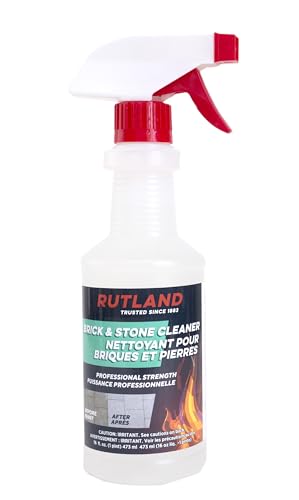
Rutland Brick & Stone Cleaner 16 oz
- ✓ Easy to apply
- ✓ Fast-acting formula
- ✓ Gentle on brick
- ✕ Slightly pricey
- ✕ Requires thorough rinsing
| Product Type | Stone and Hearth Cleaner |
| Application Area | Hearth brick and stone surfaces |
| Chemical Composition | Contains industrial strength solvent, no dangerous acids |
| Usage Instructions | Spray, scrub with wet non-metallic brush, rinse thoroughly before drying |
| Effective Against | Soot, creosote, smoke residue, and other buildup |
| Container Size | 16 oz |
Last weekend, I finally decided to tackle the stubborn soot stains on my fireplace hearth. I grabbed the Rutland Brick & Stone Cleaner, noticing its industrial-strength solvent and promise of a safer alternative to acids.
The first thing I appreciated was how easy it was to spray on. It spread evenly without any fuss, and I immediately saw it start working on the grime.
After a few minutes, I used a wet, non-metallic brush to scrub the surface.
The cleaner dissolved the buildup quickly, making the scrubbing process much less tiring. I didn’t have to apply a lot of elbow grease, and the fumes were surprisingly mild for a product with such strength.
What really stood out was how it didn’t damage or discolor the brick. Once I rinsed thoroughly with clean water, the difference was obvious—my hearth looked much cleaner, almost new.
Plus, knowing there’s no dangerous acids involved gives me peace of mind.
Overall, it’s a solid choice if your fireplace needs a serious clean without risking damage or harmful fumes. Just remember, don’t let the area dry out before rinsing for best results.
It’s a simple, effective solution that makes cleanup less of a chore.
Fireplace Baby Proofing Foam Hearth Pad 78″ Gray

- ✓ Soft, impact-absorbing material
- ✓ Large, continuous coverage
- ✓ Easy peel-and-stick installation
- ✕ May need reapplication over time
- ✕ Not suitable for uneven surfaces
| Material | High-density, resilient NBR foam |
| Dimensions | 78.7 inches length x 15.75 inches width |
| Adhesive Type | Pre-applied, peel-and-stick backing |
| Coverage Area | Full-edge protection along fireplace ledges and hearths |
| Installation Method | Easy trimming with household scissors; no tools required |
| Intended Use | Impact absorption and childproofing for fireplaces, hearths, and other hazardous edges |
Picture this: you’re setting up a cozy corner by the fireplace for a weekend movie night, and your little one is eager to explore everything within reach. As they crawl closer, you notice the sharp edge of the brick hearth just inches away.
That’s when you realize you need a quick, reliable solution to keep your child safe without sacrificing style.
This Fireplace Baby Proofing Foam Hearth Pad immediately caught my attention with its sleek gray color that blends seamlessly with most hearths. It’s made from high-density NBR foam, which feels soft yet sturdy to the touch.
When I pressed on it, I could tell it would absorb impact well, cushioning any accidental bumps.
Installing it was a breeze. The pre-applied adhesive backing stuck firmly to my brick hearth without any fuss.
I appreciated how I could easily trim the pad with scissors to fit irregular edges or other surfaces. The long length, nearly 79 inches, means I could cover a large area in one piece, providing peace of mind along the entire edge.
Once in place, the pad stayed securely without sliding or peeling, even after a few light knocks. Its durability and coverage make it perfect for protecting kids from the hard, sharp edges of stone or brick fireplaces.
Plus, I found it handy for other spots like sharp furniture corners and stairs, making it a versatile safety tool.
Overall, this foam hearth pad combines excellent safety features with simple installation. It’s a smart investment for anyone wanting to keep their little explorers safe while maintaining a clean, attractive look.
What Types of Stone Are Best for Hearth Fireplaces?
The best types of stone for hearth fireplaces combine durability, heat resistance, and aesthetic appeal.
- Granite: Granite is a popular choice for hearths due to its exceptional heat resistance and durability. Its natural beauty comes in a variety of colors and patterns, allowing homeowners to choose a style that complements their decor.
- Slate: Slate is known for its unique textures and rich colors, making it a visually appealing option. It is also highly heat-resistant and can withstand high temperatures without cracking, making it ideal for use around fireplaces.
- Marble: Marble adds an elegant touch to any fireplace with its luxurious appearance and polished finish. While it is not as heat-resistant as granite or slate, it can still be used effectively if sealed properly, though care should be taken to avoid scratches and stains.
- Soapstone: Soapstone is a dense, heat-retaining stone that offers a rustic and natural look. Its ability to absorb and radiate heat makes it an excellent choice for maintaining warmth in the hearth area.
- Limestone: Limestone provides a warm and inviting look with its soft hues and unique textures. It is relatively easy to work with and can be shaped into various designs, although it may require more maintenance to prevent heat damage over time.
What Are the Characteristics of Natural Stones Suitable for Hearths?
Aesthetic Variety: Natural stones offer a wide range of colors, patterns, and finishes, allowing homeowners to find the perfect match for their interior design. From the earthy tones of slate to the elegant look of marble, these stones can enhance the visual appeal of the hearth while adding a touch of elegance to the space.
How Do Synthetic Materials Compare to Natural Stones for Hearths?
| Aspect | Synthetic Materials | Natural Stones |
|---|---|---|
| Durability | Highly durable and resistant to scratching and chipping. | Durable but can be prone to cracking under extreme temperature changes. |
| Cost | Generally more affordable and budget-friendly options available. | Can be expensive depending on the type of stone and sourcing costs. |
| Maintenance | Easy to clean and maintain; often requires less regular upkeep. | May require sealing and more frequent maintenance to prevent staining. |
| Aesthetic Appeal | Available in various designs, but may lack the unique patterns of natural stone. | Unique and natural patterns that enhance visual appeal but vary greatly. |
| Weight and Installation Complexity | Generally lighter and easier to install, reducing labor costs. | Heavier and may require professional installation due to weight and complexity. |
| Heat Resistance | Good heat resistance, but may not withstand extreme temperatures as well as natural stone. | Excellent heat resistance, ideal for high-temperature environments like fireplaces. |
What Are the Top Natural Stones Recommended for Hearth Fireplaces?
The best stones for hearth fireplaces are chosen for their durability, heat resistance, and aesthetic appeal.
- Granite: Granite is a popular choice for hearth fireplaces due to its exceptional durability and heat resistance. This natural stone comes in a variety of colors and patterns, allowing for customization that fits various design aesthetics.
- Slate: Slate is known for its unique texture and rich colors, making it an attractive option for hearths. Its natural cleft surface provides a rustic look, while its ability to withstand high temperatures makes it functional for fireplace use.
- Marble: Marble is celebrated for its elegance and beauty, often featuring striking veining patterns. While it is less heat resistant than granite and slate, proper sealing can help protect it from heat damage, making it a luxurious choice for hearths.
- Soapstone: Soapstone is a soft, heat-resistant stone that retains warmth exceptionally well. Its natural ability to absorb and radiate heat makes it ideal for fireplace applications, and it often comes in soothing colors that add a calming element to the hearth.
- Limestone: Limestone offers a warm, natural look with its earthy tones and textures. Though it is less heat resistant than other stones, it can still be used effectively as a hearth material when properly treated and maintained.
Why Is Slate Considered One of the Best Options for Hearths?
Slate is considered one of the best options for hearths due to its excellent heat resistance, low porosity, and aesthetic appeal.
According to the National Association of Home Builders, slate has a high melting point and can withstand intense heat without cracking or warping, making it an ideal material for fireplaces (National Association of Home Builders, 2021). This durability ensures that slate can endure the thermal stress that comes from frequent exposure to high temperatures.
The underlying mechanism for slate’s performance lies in its geological formation as a metamorphic rock, which results in a dense, fine-grained structure. This structure contributes to its low porosity, preventing moisture absorption and reducing the risk of damage from thermal expansion. Additionally, slate’s natural composition allows for a variety of colors and textures, enhancing its visual appeal in home design (American Society of Home Inspectors, 2020). As a result, homeowners often choose slate not only for its functional attributes but also for its ability to complement interior aesthetics.
What Unique Benefits Does Soapstone Offer for Hearths?
Soapstone offers several unique benefits that make it one of the best stones for hearth fireplaces.
- Heat Resistance: Soapstone has a high tolerance for heat, allowing it to withstand high temperatures without cracking or warping. This property makes it ideal for use around fireplaces, where it can absorb and radiate heat effectively.
- Durability: Soapstone is a dense metamorphic rock that is highly resistant to wear and tear. It does not chip or scratch easily, making it a long-lasting choice for a hearth that sees frequent use.
- Low Maintenance: Unlike other stones that may require regular sealing or treatment, soapstone is relatively low maintenance. It doesn’t stain easily and can be cleaned with just mild soap and water, keeping it looking good with minimal effort.
- Natural Beauty: Soapstone comes in a variety of colors and patterns, ranging from soft grays and greens to rich browns and blues. Its unique veining adds an aesthetic appeal that enhances the overall look of a fireplace and living space.
- Environmental Benefits: Soapstone is often sourced from quarries that practice sustainable mining techniques. Additionally, its energy-efficient properties help to retain heat, which can lead to reduced energy consumption for heating purposes.
- Non-Combustible: Being a non-combustible material, soapstone provides added safety around fireplaces. It does not ignite or release harmful fumes when exposed to fire, ensuring a safer environment in your home.
How Does Limestone Measure Up as a Hearth Stone?
Limestone is often considered a viable option for hearth stones due to its unique properties and aesthetic appeal.
- Heat Resistance: Limestone is relatively heat-resistant, allowing it to withstand the high temperatures generated by a fireplace.
- Natural Aesthetic: The natural beauty of limestone, with its varied colors and textures, enhances the visual appeal of a hearth.
- Durability: While limestone is durable, it is softer than some other stones, making it susceptible to scratches and wear over time.
- Maintenance: Limestone requires regular sealing to protect it from stains and moisture, which can be a consideration for homeowners.
- Cost: Generally, limestone is more affordable compared to other stone options, making it an economical choice for many homeowners.
Heat resistance is crucial for hearth stones, and limestone can handle the extreme temperatures from a fireplace, although care should still be taken to avoid sudden temperature changes that could cause cracking.
The natural aesthetic of limestone is one of its most appealing features; it comes in various shades, from light cream to darker grays and browns, allowing it to complement different interior designs seamlessly.
Durability is essential for a hearth stone, and while limestone is tough, it is also softer than granite or slate, which means it might show wear and tear more quickly, especially in high-traffic areas.
Maintenance is a significant factor with limestone; to keep it looking its best, it should be regularly sealed and cleaned, as it can absorb spills and stains if left untreated.
Cost-effectiveness is another point in limestone’s favor; it typically costs less than harder stones like granite or marble, which makes it an attractive option for budget-conscious homeowners looking to create a beautiful fireplace setting.
What Factors Should You Consider When Choosing Stone for Your Fireplace Hearth?
When selecting the best stone for your fireplace hearth, several important factors must be taken into account.
- Heat Resistance: The stone must be able to withstand high temperatures without cracking or degrading. Materials like granite and slate are excellent choices due to their natural heat-resistant properties, ensuring safety and longevity in a fireplace setting.
- Durability: The stone should be durable enough to endure wear and tear from daily use. Harder stones, such as quartzite and basalt, are less prone to chips and scratches, making them suitable for a high-traffic area like a hearth.
- Maintenance Requirements: Consider how much maintenance the stone will require over time. Some stones, like limestone, may need regular sealing to prevent stains, while others, like granite, are more low-maintenance and easier to clean.
- Aesthetic Appeal: The visual characteristics of the stone should complement your home’s decor. Stones come in various colors, textures, and patterns, so it’s important to choose one that enhances the overall style of your living space.
- Cost: Budget is a key factor in choosing the right stone. Prices can vary significantly based on the type of stone, with more exotic or rarer stones typically costing more. It’s essential to balance quality with affordability to find the best option for your needs.
- Installation Process: The ease of installation can impact your decision as well. Some stones may require professional installation due to their weight or the complexity of cutting, while others can be easier for DIY projects, potentially saving you money on installation costs.
How Important Is Durability in Selecting Hearth Stones?
Durability is a critical factor when selecting the best stone for a hearth fireplace, as it ensures longevity and safety under high temperatures.
- Granite: Granite is known for its exceptional durability and resistance to heat, making it an ideal choice for hearths. Its non-porous surface also prevents staining and ensures easy maintenance, while its natural beauty adds an elegant touch to any fireplace design.
- Soapstone: Soapstone is favored for its excellent thermal properties, as it can absorb and radiate heat efficiently. This stone is also highly resistant to cracking and chipping, which makes it a reliable choice for a hearth that will experience direct exposure to flames.
- Slate: Slate is a popular option for hearths due to its natural slip resistance and variety of color options. While it is durable, it is important to choose high-quality slate, as lower-grade versions may be more susceptible to cracking under extreme temperature changes.
- Marble: Marble brings a classic aesthetic to a fireplace, but while it is beautiful, it is less durable compared to other stones. It can be prone to scratching and staining, especially if not sealed properly, which makes it a less practical option for high-use hearths.
- Limestone: Limestone offers a rustic charm and is relatively durable, but it is more porous than other stones, making it susceptible to stains and damage from heat. It requires regular sealing to maintain its appearance and protect it from the effects of high temperatures.
What Role Do Aesthetics Play in Your Choice of Hearth Stone?
- Color: The color of the hearth stone can set the mood of the room, with options ranging from warm earth tones to cool, contemporary grays. Choosing a color that complements the existing decor can enhance the aesthetic harmony of the space, making it feel more inviting.
- Texture: The texture of the stone can contribute to the visual interest and tactile experience of the fireplace area. Smooth stones offer a sleek, modern vibe, while rough, rugged textures can evoke a rustic, natural feel, allowing homeowners to express their individual style.
- Pattern: The natural patterns found in stone, such as veining or speckling, create unique visual focal points that can draw the eye. Selecting a stone with an interesting pattern can serve as a conversation starter and elevate the overall design of the hearth.
- Size and Shape: The dimensions and contours of the stone can greatly impact the fireplace’s design, affecting the scale and proportion within the room. Large, chunky stones may lend a sturdy, traditional appearance, while smaller, more refined pieces can contribute to a sleek, modern look.
- Finish: The finish applied to the stone can alter its appearance and durability, with options ranging from polished to honed or matte. A polished finish reflects light and adds a touch of elegance, while a honed or matte finish provides a more subdued, understated look that may be preferable in cozy settings.
What Maintenance Should You Expect with Different Types of Hearth Stones?
When choosing the best stone for a hearth fireplace, it’s important to consider the maintenance required for different types of stones.
- Granite: Granite is a durable and heat-resistant option that requires minimal maintenance. Regular cleaning with mild soap and water is sufficient, but it should be sealed periodically to prevent staining and maintain its luster.
- Marble: Marble offers a luxurious appearance but is more porous than granite, necessitating more frequent sealing to protect against stains and etching from acidic substances. It requires gentle cleaning with pH-balanced cleaners to avoid damaging the surface.
- Slate: Slate is a tough, natural stone that is relatively low-maintenance; however, it can accumulate dirt and debris in its textured surface. Regular sweeping and occasional mopping with a stone-specific cleaner help keep it looking its best.
- Limestone: Limestone is softer and more porous, requiring diligent maintenance to prevent scratches and stains. It should be sealed regularly and cleaned with a soft cloth and mild cleaner, avoiding harsh chemicals that could damage its finish.
- Soapstone: Soapstone is resilient and does not require sealing, making it one of the lowest-maintenance options. It can be easily cleaned with soap and water, and its natural oils can enhance its appearance over time.
- Travertine: Travertine is a beautiful choice but requires consistent maintenance, including sealing to prevent stains and etching. Regular cleaning with a stone-safe solution is necessary to maintain its beauty and durability.