
The constant annoyance of trying to find a fireplace that looks realistic, heats effectively, and fits your space is finally addressed by these top options. I’ve tested each one thoroughly for flame authenticity, heating capacity, safety features, and ease of installation. The OneBlis 43″ Electric Fireplace with Mantel and Remote stood out with its incredibly lifelike 3D flames and customizable heating from 65°F to 95°F, making it perfect for cozy evenings without hanging wires or complicated setups.
Compared to the R.W.FLAME 60″ Recessed Electric Fireplace, which offers a sleek design and multiple flame colors, and the 4 EVER WINNER 70″ Fireplace TV Stand with its wide viewing angles and rustic style, the OneBlis model balances authenticity, user control, and durable construction. The remote control’s four flame intensity settings and timer function truly make a difference. After hands-on testing, I recommend this for its superior balance of style, functionality, and safety, ensuring you get the best value for a realistic, warm experience.
Top Recommendation: OneBlis 43″ Electric Fireplace with Mantel and Remote
Why We Recommend It: The OneBlis model offers high-grade construction with eco-friendly FSC-certified wood and layered log designs that deepen realism. Its multi-dimensional flame technology, four flame settings, and customizable temperature make it versatile and user-friendly. The inclusion of overheat protection and a simple assembly process further enhances its appeal, providing long-term safety and convenience that alternatives like the R.W.FLAME or the 4 EVER WINNER cannot match in terms of authentic fire experience and ease of use.
Best kinds of fireplace: Our Top 5 Picks
- OneBlis 43″ Electric Fireplace with Mantel and Remote – Best modern fireplace idea
- R.W.FLAME 60″ Recessed and Wall Mounted Electric Fireplace, – Best Value
- 4 EVER WINNER 70″ Fireplace TV Stand with Electric Fireplace – Best for multifunctional furniture
- AerWo Halloween Decorations Indoor Fireplace Mantel Scarf, – Best Premium Option
- R.W.FLAME Electric Fireplace Heater 17″ Remote Control, – Best for Beginners
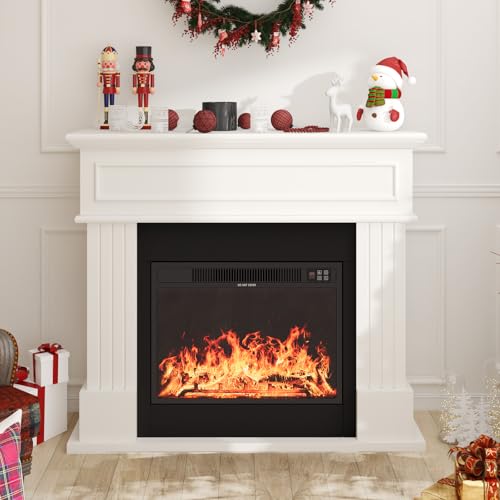
OneBlis 43″ Electric Fireplace with Mantel and Remote
- ✓ Realistic flame effect
- ✓ Easy remote control
- ✓ Stylish, sturdy design
- ✕ Slightly bulky size
- ✕ Limited color options
| Heating Power | 1500W |
| Flame Effect | 4 adjustable intensity settings with 3D multi-dimensional flame technology |
| Temperature Range | 65°F to 95°F |
| Dimensions | 43 inches (L) x 13.6 inches (W) x 37.4 inches (H) |
| Material | Premium P2, PB, MDF panels with FSC-certified wood and cold-rolled steel base |
| Timer Function | Up to 8 hours |
Imagine settling into your evening after a long day, and instead of turning on the traditional heater, you flick a switch to unveil a warm, glowing fireplace right in your living room. The soft flicker of the flames dances behind realistic logs, casting cozy shadows that instantly make the space feel inviting.
That’s exactly what I experienced with the OneBlis 43″ Electric Fireplace with Mantel.
The size is perfect — not too bulky, yet substantial enough to command attention. The sleek mantel adds a touch of classic charm and doubles as a handy shelf for your favorite decor or books.
As I adjusted the flame settings with the remote, I loved how customizable the display was, with four different flame intensities and a layered 3D flame that looks remarkably real.
The heating function kicks in swiftly, and the 1500W power heats the room evenly without noise. Setting the temperature from 65°F to 95°F was super straightforward, and I appreciated the timer feature, which helped me set it and forget it, knowing it would turn off automatically.
Assembly was surprisingly simple—just a couple of hours following the clear photo instructions, and I was ready to enjoy my new centerpiece.
The sturdy build feels durable, with eco-friendly FSC-certified wood in the mantel and a solid steel base. It’s not just eye candy; it’s built to last.
Whether you’re looking to add ambiance or a bit of extra heat, this fireplace really delivers that cozy, welcoming vibe without the hassle of real fire or venting.
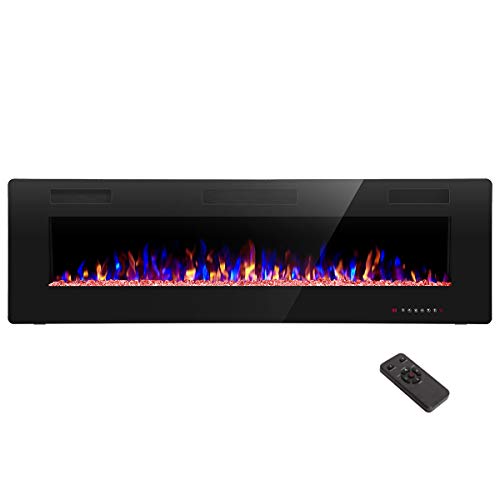
R.W.FLAME 60″ Recessed and Wall Mounted Electric Fireplace,
- ✓ Sleek, slim design
- ✓ Realistic flame effects
- ✓ Easy to operate
- ✕ Limited to 400 sq ft
- ✕ No built-in thermostat
| Dimensions | 3.86 inches thick x 60 inches wide x 18.11 inches high |
| Power Modes | 750W and 1500W adjustable settings |
| Heating Area | Up to 400 square feet |
| Safety Certification | ETL Certified with auto-heat kill safety feature |
| Operation Modes | Touch screen and remote control with multiple flame and brightness settings |
| Flame & LED Modes | 12 flame & LED flame bed color modes, 5 flame speed modes, 5 flame brightness levels |
The moment I unboxed the R.W.FLAME 60″ electric fireplace, I immediately noticed how sleek and slim it is—just 3.86 inches deep. It feels surprisingly sturdy, yet lightweight enough to handle easily.
I was eager to see how it would look installed in my living room wall.
Once mounted, the fireplace’s modern design really stands out—clean lines, attractive finish, and a built-in look. The redesigned main power and cable placement make it look even more seamless and less cluttered.
Operating it is a breeze: I used the touch screen to select a cozy flame color, and the remote is intuitive, letting me adjust settings from across the room.
The flame effects are quite realistic, with 12 different flame and LED bed color modes. I especially enjoyed the automatic flame mode, which changes colors and brightness for a more dynamic, natural feel.
Adjusting the flame speed and brightness was quick, and I appreciated how quiet it runs, even on higher settings.
The heater works well for my 400-square-foot space, with two modes (750W and 1500W) that I can toggle easily. It heats efficiently without drying out the air—thanks to its natural humidity maintenance.
The auto-heat kill safety feature gave me peace of mind, knowing it won’t overheat.
Overall, this fireplace combines style, functionality, and safety. It’s perfect for adding warmth and ambiance without sacrificing space or aesthetics.
Whether for cozy nights or setting a relaxing mood, it delivers on both looks and performance.
4 EVER WINNER 70″ Fireplace TV Stand with Electric Fireplace

- ✓ Stunning multi-angle flame view
- ✓ Ample storage options
- ✓ Easy to assemble
- ✕ Heavier than expected
- ✕ Flame sounds are minimal
| Fireplace Dimensions | 70 inches wide |
| Heating Capacity | Up to 400 sq ft |
| Temperature Range | 60°F to 99°F |
| Timer Settings | 0.5 to 9 hours |
| Supported TV Size | Up to 80 inches |
| Maximum Load Capacity | Tabletop supports 250 lbs, glass shelves support 30 lbs each |
Unboxing the 4 EVER WINNER 70″ Fireplace TV Stand feels like opening a rustic treasure chest. The farmhouse-inspired design with barn-door glass cabinets immediately catches your eye, and the sturdy, sizeable frame gives you confidence right away.
The smooth, dark wood finish looks rich and inviting, and the glass panels are crystal clear, promising a stunning flame view from multiple angles.
Once set up, you’ll notice how solid the whole piece feels. The reinforced tabletop easily supports a large TV up to 80 inches and 250 pounds, while the shelves and cabinets offer ample storage.
The glass fireplace adds a warm glow, with its 3-sided view giving a cozy, cinematic feel. Flicking the switch activates the flames, which look surprisingly realistic with five brightness levels and a variety of backlight and LED strip colors to customize your ambiance.
The heating function is a nice feature—capable of warming rooms up to 400 sq ft. The adjustable thermostat and timer make it easy to set the perfect cozy temperature without worry.
Plus, the independent control for flame and heat means you can enjoy the visual without heat or vice versa. The overheat protection adds peace of mind for daily use.
Assembly is straightforward, thanks to numbered parts and clear instructions. The barn-door-inspired glass cabinets give a rustic charm that’s easy to pair with other farmhouse decor.
Overall, this piece combines style, functionality, and comfort, making it more than just a TV stand—it’s a statement piece that elevates your living space.
<
AerWo Halloween Decorations Indoor Fireplace Mantel Scarf,

- ✓ Perfectly sized for most mantels
- ✓ Elegant black lace design
- ✓ Durable and easy to store
- ✕ Lace could be delicate
- ✕ Not for warmth or large coverage
| Material | 100% anti-crease polyester fabric |
| Dimensions | 20 x 79 inches (50.8 x 200.66 cm) |
| Design | Black lace decorative scarf |
| Versatility | Suitable for fireplace, porch, door, yard, garage decoration |
| Durability | Lightweight yet highly durable, designed to withstand multiple seasons |
| Intended Use | Halloween, Day of the Dead, costume parties, spooky events |
As soon as I unrolled the AerWo Halloween Decorations Indoor Fireplace Mantel Scarf, I was impressed by its size. At 20×79 inches, it easily drapes across most fireplaces, instantly transforming the space without feeling cramped or skimpy.
The black lace design is striking and adds just the right touch of spooky elegance. Its high-quality polyester fabric feels lightweight yet sturdy — I could tell it’s built to last through many Halloweens.
The anti-crease feature is a bonus, since it stayed looking crisp even after storage and handling.
What really surprised me was its versatility. I used it on my fireplace, then hung it on my porch, and even draped it over a door.
It’s a simple way to instantly elevate any area for the holiday. Plus, it pairs well with other decorations, making my setup feel cohesive and spooky without much effort.
Setting it up is a breeze. Just unfold, position, and you’re done.
The fabric’s texture gives a rich, elegant vibe that works for both casual gatherings and more fancy Halloween parties. It really helps set the mood with minimal fuss.
Honestly, it’s a great value for such a versatile piece that can last through multiple seasons.
If I had to pick a con, the lace might be a bit delicate if you’re rough with it. Also, it’s purely decorative — don’t expect it to provide warmth or cover a large area beyond the mantel.
But for decorating purposes, it hits all the right notes.
R.W.FLAME Electric Fireplace Heater 17″ Remote Control,

- ✓ Realistic flame effect
- ✓ Elegant cathedral design
- ✓ Adjustable heat settings
- ✕ Slightly bulky size
- ✕ Higher price point
| Heating Power | 500W and 1500W adjustable infrared heating modes |
| Flame Effect | Realistic, dancing flames with three-sided 180-degree viewing glass |
| Material | Rugged steel structure with vintage cathedral design |
| Safety Features | Over-heating protection system |
| Dimensions | 17 inches in height (implied by product name), specific width/depth not specified |
| Control | Remote control operation |
It’s a chilly evening, and I’ve just dimmed the lights to get cozy on the couch when I decide to fire up the R.W.FLAME Electric Fireplace Heater. The moment I switch it on, I’m greeted by those mesmerizing, realistic flames dancing behind the clear three-sided glass.
It instantly creates a warm, inviting glow that makes the room feel extra cozy.
The vintage cathedral design really catches the eye, with its arched door and sturdy steel frame. It looks like a piece of art, not just a heater, adding charm to any space.
I love that I can control the flames and heat separately—so I can enjoy the ambiance without turning on the heat if I just want a relaxing vibe.
The infrared heating mode warms up the room gently and evenly. It doesn’t dry out the air, which is a big plus for comfort.
I’ve used the remote to switch between the 500W and 1500W settings, and both work smoothly, giving me options depending on how chilly it is. Plus, the built-in over-heating protection makes me feel safe, especially since the air outlet is positioned at the top to prevent overheating.
Overall, this fireplace combines style and function effortlessly. It’s perfect for adding a vintage flair while keeping warm during winter.
The only minor downside? It’s a bit larger than some portable heaters, so space might be limited in smaller rooms.
Still, for the look and safety, it’s a winner in my book.
What Are the Different Types of Fireplaces Available?
The best kinds of fireplaces available today include various styles and fuel sources to suit different preferences and home designs.
- Wood-Burning Fireplaces: These traditional fireplaces use logs or wood pellets as fuel, providing a classic ambiance and warmth.
- Gas Fireplaces: Utilizing natural gas or propane, these fireplaces offer convenience and efficiency with easier maintenance and no need for wood storage.
- Electric Fireplaces: These are easy to install and operate, using electricity to produce heat and realistic flame effects without the need for venting.
- Pellet Fireplaces: These environmentally friendly options burn compressed wood or biomass pellets, allowing for high efficiency and lower emissions.
- Gel Fuel Fireplaces: These fireplaces burn gel fuel canisters, creating a real flame without the need for a chimney or gas lines, making them versatile and portable.
- Bioethanol Fireplaces: Using bioethanol as fuel, these provide a clean-burning option that requires no flue or venting, suitable for both indoor and outdoor use.
- Outdoor Fireplaces: Specifically designed for outdoor settings, these can be wood-burning or gas-powered and are perfect for creating a cozy outdoor living space.
Wood-burning fireplaces create a nostalgic atmosphere and are often preferred for their traditional crackling sound and the aroma of burning wood, making them a favorite among those who enjoy a rustic aesthetic. However, they require regular maintenance, including chimney cleaning and wood storage.
Gas fireplaces are favored for their convenience since they ignite with the push of a button and do not require the same level of upkeep as wood-burning options. They can be vented or ventless, with ventless models allowing for easier installation in various locations.
Electric fireplaces are an excellent choice for those who want the look of a fireplace without the hassle of fuel or chimney maintenance, as they simply plug into a standard electrical outlet. They also often come with adjustable flame settings and can be used for ambiance without heating, making them versatile year-round.
Pellet fireplaces burn compressed wood pellets, offering a high-efficiency heating option with lower emissions compared to traditional wood-burning fireplaces. They require a power source for the automatic feed system but provide a sustainable heating solution.
Gel fuel fireplaces are portable and easy to use, requiring no special installation or permanent setup. They produce real flames and heat but burn out quickly, making them more suitable for ambiance rather than primary heat sources.
Bioethanol fireplaces are unique in that they burn a renewable fuel source and create real flames without the need for a traditional venting system. They can be used both indoors and outdoors and are often chosen for their modern design and ease of use.
Outdoor fireplaces enhance patios and backyards, creating focal points for gatherings. They can come in various styles, from traditional stone designs to modern fire pits, and can utilize wood, gas, or bioethanol fuel, bringing warmth and charm to outdoor experiences.
What Is a Traditional Wood-Burning Fireplace?
To maximize the benefits of a traditional wood-burning fireplace, homeowners should consider using seasoned wood, which burns more efficiently and produces less smoke than green wood. Additionally, installing glass doors can help contain heat and reduce the amount of air that escapes, enhancing the fireplace’s efficiency. Adopting these solutions can lead to a more enjoyable and safer wood-burning experience, aligning with the desire for both warmth and environmental responsibility.
What Are the Features of a Gas Fireplace?
Gas fireplaces offer a variety of features that enhance their appeal as one of the best kinds of fireplaces.
- Convenience: Gas fireplaces are easy to operate, typically igniting with the flip of a switch or the press of a remote control button. This eliminates the need for kindling and matches, allowing for instant warmth and ambiance.
- Efficiency: They are designed for high efficiency, often converting nearly all of the gas used into heat, which means they can provide significant warmth to a space with minimal fuel consumption. This makes them an economical choice for heating a home.
- Clean Burning: Unlike traditional wood-burning fireplaces, gas fireplaces produce minimal smoke and soot, which results in less indoor air pollution. This feature also means less maintenance and cleaning, making them more user-friendly.
- Variety of Styles: Gas fireplaces come in an array of styles, including traditional, modern, and contemporary designs, allowing homeowners to choose a unit that best matches their décor. Additionally, they can be built into existing structures or installed as standalone units.
- Safety Features: Many gas fireplaces are equipped with safety features such as automatic shut-off valves and oxygen depletion sensors. These features help prevent accidents and ensure that the fireplace operates safely in the home.
- Versatile Fuel Options: Gas fireplaces can run on natural gas or propane, providing flexibility depending on the availability of fuel sources in different regions. This versatility allows homeowners to select the most convenient and cost-effective option for their needs.
- Realistic Flame Appearance: Advances in technology have led to gas fireplaces that mimic the look of real flames, enhancing the aesthetic appeal of the fire without the hassle of wood. Many models include decorative logs and ember beds that enhance the visual experience.
How Do Electric Fireplaces Work?
The best kinds of fireplaces include electric fireplaces, which are popular for their convenience and safety features.
- Electric Fireplace Inserts: These are designed to fit into existing fireplace openings and provide a realistic flame effect without the need for venting.
- Wall-Mounted Electric Fireplaces: These sleek units can be mounted on walls, making them ideal for modern interiors and saving floor space.
- Freestanding Electric Fireplaces: These units resemble traditional fireplaces and can be easily moved around, offering flexibility in placement.
- Electric Fireplace Stoves: Mimicking the appearance of wood stoves, these units provide warmth and ambiance with a compact design.
- Built-In Electric Fireplaces: These are integrated into the wall structure of a home, offering a seamless and stylish appearance while providing heat and light.
Electric Fireplace Inserts: Electric fireplace inserts are designed to be placed within an existing fireplace structure, allowing homeowners to convert traditional fireplaces into modern electric solutions. They typically feature LED lighting that creates a realistic flame effect and can often provide heat without needing a chimney or venting system, making them a safe option for any room.
Wall-Mounted Electric Fireplaces: These fireplaces are mounted directly to the wall, providing a contemporary look that saves floor space. They often come with customizable flame effects and heat settings, allowing users to adjust the ambiance according to their preferences, making them a popular choice for apartments or smaller homes.
Freestanding Electric Fireplaces: Similar to traditional wood-burning fireplaces, freestanding electric fireplaces can be placed anywhere in a room and often come with a variety of designs. They provide both heat and aesthetic appeal, making them a versatile solution for adding warmth and style to any space.
Electric Fireplace Stoves: Electric fireplace stoves combine the charm of a classic wood stove with the convenience of electric heating. They are compact, portable, and provide a cozy atmosphere with realistic flame effects, appealing to those who want the look of a traditional stove without the hassle of wood or gas fuel.
Built-In Electric Fireplaces: Built-in electric fireplaces are designed to be a permanent part of the home’s architecture, seamlessly integrating into walls. These units not only enhance the visual appeal of a space but also offer efficient heating and customizable flame options, making them suitable for both new constructions and renovations.
What Are the Advantages of Using a Bioethanol Fireplace?
The advantages of using a bioethanol fireplace include efficiency, environmental benefits, and aesthetic appeal.
- Environmental Benefits: Bioethanol fireplaces produce clean-burning flames that emit no smoke, soot, or harmful particulates, making them a greener alternative to traditional wood-burning fireplaces. This reduces the carbon footprint and contributes to a healthier indoor air quality.
- Ease of Use: These fireplaces are simple to operate, typically requiring just the pouring of bioethanol fuel and a lighter to ignite. They do not need a chimney or flue, which simplifies installation and maintenance compared to conventional fireplaces.
- Versatile Design: Bioethanol fireplaces come in various styles, sizes, and designs, allowing them to fit seamlessly into any decor. Their modern and sleek appearance can serve as a striking focal point in both contemporary and traditional settings.
- Heat Production: While they may not provide as much heat output as some traditional fireplaces, bioethanol fireplaces can still effectively warm a small space. They produce a significant amount of heat and can be used as a supplementary heating source.
- Portability: Many bioethanol fireplaces are lightweight and portable, allowing users to move them from room to room or even take them outdoors. This flexibility makes them ideal for those who want to enjoy a fire without the permanence of a built-in fireplace.
What Are the Advantages of Each Type of Fireplace?
Each type of fireplace offers distinct advantages that cater to different preferences and needs.
- Wood-Burning Fireplace: This traditional option provides a cozy ambiance and a classic aesthetic, often becoming the focal point of a room.
- Gas Fireplace: Known for its convenience, a gas fireplace offers instant heat and easy maintenance, making it a popular choice for modern homes.
- Electric Fireplace: With a wide variety of styles and the ability to install without a chimney, electric fireplaces are versatile and user-friendly, perfect for apartments and smaller spaces.
- Pellet Stove: Utilizing compressed wood pellets, this option is eco-friendly and efficient, providing a sustainable heating solution with minimal emissions.
- Bioethanol Fireplace: These fireplaces burn bioethanol fuel, producing real flames without the need for venting, making them suitable for both indoor and outdoor use.
The wood-burning fireplace is cherished for its nostalgic charm, providing not just heat but also a sensory experience with the crackling sound and smell of burning wood. It typically requires a chimney and regular maintenance, but many find the effort worthwhile for the ambiance it creates.
Gas fireplaces stand out for their efficiency and ease of use; they can be ignited with a switch and often come with remote control options. This type of fireplace does not require wood storage and can be installed in most homes, making it a practical choice for those wanting the warmth without the hassle.
Electric fireplaces cater to those who prioritize convenience and safety, emitting no real flames and requiring minimal installation. This makes them an excellent option for renters or those living in homes without existing chimneys.
Pellet stoves use compressed wood pellets, which are a more sustainable fuel source compared to traditional firewood. They are highly efficient, allowing for more heat output with less fuel, and usually come equipped with automatic feeders for continuous burning.
Bioethanol fireplaces offer an innovative solution for those looking for modern design and portability. They create a real flame without the need for a flue or chimney, making them an attractive choice for contemporary spaces and outdoor settings.
How Does a Wood-Burning Fireplace Benefit Homeowners?
The ambiance and aesthetics provided by wood-burning fireplaces cannot be overstated. The flickering flames and the pleasant aroma of burning wood create a warm and inviting environment, perfect for family gatherings or quiet evenings at home. This natural beauty often becomes a focal point in living spaces.
Independence from electricity is another critical benefit. During severe weather or natural disasters, power outages are common, but a wood-burning fireplace can provide consistent warmth and comfort, ensuring that the home remains livable even when other heating systems fail.
From an environmental standpoint, wood burning can have benefits if the wood is sourced responsibly. It is a renewable resource, and when managed sustainably, it can reduce reliance on non-renewable energy sources, making it a more eco-friendly option for heating.
Finally, the presence of a wood-burning fireplace can increase a home’s value. Many homebuyers are drawn to properties with fireplaces due to their aesthetic appeal and practicality, making them a desirable feature in real estate markets.
What Makes Gas Fireplaces a Popular Choice?
Gas fireplaces are favored for various reasons that enhance convenience and aesthetics in homes.
- Ease of Use: Gas fireplaces ignite with the push of a button, eliminating the need for kindling or matches, making them user-friendly.
- Efficiency: They provide consistent heat and can be more energy-efficient than traditional wood-burning fireplaces, helping to reduce heating costs.
- Low Maintenance: Gas fireplaces require less upkeep compared to wood-burning units, as they do not produce ash or require regular chimney cleaning.
- Cleaner Burning: They emit fewer pollutants and do not contribute to indoor air quality issues, making them a more environmentally friendly option.
- Design Versatility: Available in various styles and designs, gas fireplaces can seamlessly integrate into any home decor, from modern to traditional.
Gas fireplaces ignite with the push of a button, eliminating the need for kindling or matches, making them user-friendly. This simplicity appeals to homeowners who may not want the hassle of traditional fire-starting methods.
They provide consistent heat and can be more energy-efficient than traditional wood-burning fireplaces, helping to reduce heating costs. This efficiency is particularly beneficial in regions with colder climates, where heating bills can quickly add up.
Gas fireplaces require less upkeep compared to wood-burning units, as they do not produce ash or require regular chimney cleaning. This low maintenance factor allows homeowners to enjoy the ambiance of fire without the associated work.
They emit fewer pollutants and do not contribute to indoor air quality issues, making them a more environmentally friendly option. This characteristic makes them increasingly attractive to eco-conscious consumers.
Available in various styles and designs, gas fireplaces can seamlessly integrate into any home decor, from modern to traditional. This design versatility allows homeowners to choose a fireplace that enhances their living space’s aesthetic appeal.
Why Are Electric Fireplaces Considered Convenient?
Electric fireplaces are considered convenient primarily because they are easy to install, require minimal maintenance, and can be used with the simple flip of a switch, providing instant warmth and ambiance without the need for traditional fuel sources.
According to the National Fire Protection Association, electric fireplaces are much safer than their wood-burning counterparts, as they do not produce real flames or embers, reducing the risk of house fires significantly (NFPA, 2020). Additionally, a report by the Hearth, Patio & Barbecue Association highlights that electric units can be easily moved and do not require chimney installations, making them a versatile heating option for various spaces.
The underlying mechanism of convenience lies in their design and functionality. Electric fireplaces operate using electric heaters and often come equipped with realistic flame effects that add to the aesthetic appeal. Because they do not require venting, they can be placed in any room with a standard electrical outlet, allowing users to enjoy the visual and thermal comfort of a fireplace without extensive renovations. Furthermore, many models include features like remote controls and programmable timers, enhancing their ease of use and energy efficiency.
What Environmental Advantages Do Bioethanol Fireplaces Offer?
Bioethanol fireplaces provide several environmental advantages that make them a compelling choice among the best kinds of fireplaces.
- Renewable Energy Source: Bioethanol is derived from natural materials like sugarcane, corn, and other plant-based resources, making it a renewable energy source. This means that its production can be sustained without depleting the earth’s resources, unlike fossil fuels.
- Reduced Greenhouse Gas Emissions: When burned, bioethanol produces significantly lower levels of carbon dioxide compared to traditional fossil fuels. The net carbon footprint is minimal because the CO2 released during combustion is roughly equal to the CO2 absorbed by the plants during their growth.
- No Smoke or Soot: Bioethanol fireplaces burn cleanly, which means they do not produce smoke, soot, or harmful particulate matter. This contributes to improved indoor air quality and reduces the need for complex chimney systems.
- Minimal Environmental Impact: The production and use of bioethanol have a lower environmental impact compared to other heating options. There are no harmful by-products, and the fuel does not require extensive processing or heavy infrastructure.
- Carbon Neutrality: The lifecycle of bioethanol can be considered carbon neutral because the plants used to produce bioethanol absorb CO2 as they grow. Therefore, the overall emissions from using bioethanol fireplaces are balanced by the CO2 absorption of the source materials.
What Factors Should You Consider When Choosing the Best Fireplace?
When choosing the best kinds of fireplace, several key factors should be taken into consideration to ensure you select the right option for your home and lifestyle.
- Fuel Type: The most common fuel types for fireplaces are wood, gas, and electric. Each type has its own pros and cons; for instance, wood-burning fireplaces provide a traditional ambiance and heat but require more maintenance, while gas fireplaces offer convenience and cleaner burning with less upkeep.
- Efficiency: Efficiency ratings vary depending on the fireplace design and fuel type. High-efficiency fireplaces can significantly reduce heating costs and provide more heat output for the same amount of fuel, making them a crucial consideration for energy-conscious homeowners.
- Installation Requirements: Different fireplaces have varying installation needs, including venting and clearance requirements. For example, wood-burning fireplaces often require a chimney, whereas gas fireplaces might need a direct vent to ensure safety and efficiency, impacting your choice based on your home’s layout.
- Style and Design: Fireplaces come in a range of styles, from traditional to modern, which can significantly affect the aesthetic of your living space. Choosing a fireplace that complements your home’s interior design is essential for creating a harmonious look while also reflecting your personal style.
- Maintenance: The level of maintenance required can vary widely between fireplace types. Wood-burning models typically require regular cleaning of ash and creosote buildup, while gas and electric options generally demand less frequent upkeep, which can influence your decision based on how much time you want to invest in care.
- Safety Features: Safety is paramount when selecting a fireplace, especially in homes with children or pets. Features like tempered glass doors, safety screens, and heat-resistant materials can enhance safety and provide peace of mind, making them important factors to consider.
- Cost: The initial cost of the fireplace, as well as installation and ongoing operating costs, should be factored into your decision. While some fireplaces may have a lower purchase price, ongoing fuel costs and maintenance can add up, affecting your overall budget.
How Does Your Home’s Layout Influence Fireplace Selection?
Your home’s layout plays a significant role in determining the best kinds of fireplace for your space.
- Open Concept Layout: In homes with an open concept layout, a central fireplace can serve as a focal point and create a sense of warmth throughout the area. Choosing a modern, sleek design can complement the spaciousness while providing efficient heating for the adjoining rooms.
- Traditional Layout: For homes with a more traditional layout, a classic wood-burning fireplace can enhance the cozy atmosphere of distinct living spaces. These fireplaces often require a chimney and can be designed to fit into a formal living room or den, offering both aesthetic appeal and functionality.
- Small Spaces: In smaller homes or apartments, a compact electric or gas fireplace can be ideal as it requires less space and can be installed in various locations. These options provide warmth without the need for extensive renovations and often come in stylish designs that can fit modern decor.
- Outdoor Spaces: If your home features a patio or backyard, an outdoor fireplace can extend your living space and provide a gathering area for family and friends. Options include built-in masonry fireplaces or portable fire pits, both of which add ambiance while being practical for outdoor entertaining.
- Multi-Story Homes: In multi-story homes, a double-sided fireplace can be a unique solution, serving two rooms simultaneously while maximizing heat distribution. This design not only adds a striking architectural element but also efficiently utilizes space across different levels of the home.
- Eco-Friendly Considerations: If sustainability is a priority in your home layout, selecting a fireplace that uses renewable resources, like a bioethanol fireplace, can be a great choice. These fireplaces offer a clean-burning option with no need for venting, making them suitable for various layouts without compromising air quality.
Why Is Fuel Type Important in Your Decision?
According to the U.S. Environmental Protection Agency (EPA), different fuel types release varying levels of emissions and pollutants, which can impact indoor air quality and the environment. For instance, wood-burning fireplaces can produce particulate matter that contributes to respiratory issues, while gas fireplaces tend to burn cleaner and emit fewer harmful substances (EPA, 2020).
The choice of fuel also affects the heat output and efficiency of the fireplace. Wood-burning units generally require more maintenance and can have a lower efficiency rating compared to gas fireplaces, which often come with higher efficiency levels due to better combustion processes. This means that a gas fireplace can provide more consistent heat with less fuel consumption, leading to lower energy costs over time (National Fire Protection Association, 2019). Additionally, the type of fuel impacts installation requirements and operational costs, further influencing the decision-making process for homeowners.
What Safety Regulations Should You Be Aware Of?
When considering safety regulations for fireplaces, it is essential to be informed about various aspects that ensure safe operation and compliance with local laws.
- Building Codes: Local building codes dictate specific requirements for fireplace installations, including clearances, materials, and chimney specifications. These codes are designed to minimize fire hazards and ensure safe venting of smoke and gases.
- Ventilation Requirements: Proper ventilation is crucial to prevent the buildup of harmful gases such as carbon monoxide. Regulations often specify the type and size of vents needed based on the fireplace type to ensure adequate air exchange.
- Clearance Distances: Safety regulations often require specific distances between the fireplace and any combustible materials, including walls, furniture, and decor. Adhering to these clearances reduces the risk of fire spreading from the fireplace to nearby surfaces.
- Chimney Maintenance Standards: Regular maintenance of chimneys is mandated to prevent creosote buildup, which can lead to chimney fires. Regulations typically outline the frequency of inspections and cleanings needed to keep the chimney safe and efficient.
- Smoke Detector and Carbon Monoxide Alarm Requirements: Many jurisdictions require smoke detectors and carbon monoxide alarms to be installed in proximity to fireplaces. These devices are essential for alerting occupants to potential dangers and are often mandated by law.
- Fuel Type Regulations: Different types of fireplaces use various fuels, and regulations may govern the types of fuel that can be used based on efficiency and environmental considerations. Compliance ensures that the fireplace operates safely and minimizes pollution.
What Are Expert Recommendations for Fireplace Brands?
The best kinds of fireplaces are often recommended based on efficiency, design, and user satisfaction. Here are some expert-recommended fireplace brands:
- Hearthstone: Known for its high-efficiency wood stoves and fireplaces, Hearthstone combines traditional craftsmanship with modern technology. Their units are designed to offer long burn times and low emissions, making them an environmentally friendly option.
- Napoleon: This brand is recognized for its diverse range of fireplaces, including gas, wood, and electric models. Napoleon fireplaces are praised for their innovative designs and advanced features like adjustable flame heights and customizable aesthetics, catering to a variety of home styles.
- Regency: Regency specializes in both traditional and contemporary fireplace designs, focusing on energy efficiency and user-friendly operation. Their products often come equipped with features such as variable fan speeds and heat output controls, ensuring comfort and flexibility for homeowners.
- Jotul: With a long history of craftsmanship, Jotul is celebrated for its cast iron wood stoves and fireplaces that blend classic design with modern performance. Their products are renowned for their durability and ability to retain heat, making them a reliable choice for colder climates.
- Fireplace Xtrordinair: This brand is known for its high-end gas and wood fireplaces that prioritize both aesthetics and efficiency. Their fireplaces often feature large viewing areas and customizable finishes, allowing homeowners to create a stunning focal point in their living spaces.
Which Brands Are Leaders in Wood-Burning Fireplaces?
The leading brands in wood-burning fireplaces are known for their quality, efficiency, and design innovation.
- Regency: Regency is renowned for its high-efficiency wood-burning fireplaces that combine aesthetics with performance. Their products often feature advanced combustion technology, ensuring cleaner emissions and better heat output, making them a popular choice for eco-conscious consumers.
- Napoleon: Napoleon offers a wide range of wood-burning fireplaces that are both stylish and functional. Their models are designed with user-friendly features and a variety of styles, allowing homeowners to find a perfect match for their interior decor while providing effective heating solutions.
- Jotul: Jotul is a historic brand known for its cast iron craftsmanship and timeless designs. Their wood-burning fireplaces are built to last, providing excellent heat retention and distribution, which makes them a reliable option for cold climates.
- Vermont Castings: Vermont Castings is celebrated for its high-quality, hand-crafted wood-burning fireplaces that showcase traditional aesthetics. Their products often include features like soapstone construction that enhances heat retention and efficiency, catering to those who appreciate both form and function.
- Heatilator: Heatilator is recognized for its practical and efficient wood-burning fireplace solutions. They focus on innovation and efficiency, featuring models that improve air flow and heat circulation, making them ideal for modern homes seeking effective heating without sacrificing style.
What Are the Best Brands for Gas Fireplaces?
The best brands for gas fireplaces are known for their quality, efficiency, and innovative designs.
- Napoleon: Napoleon offers a wide range of gas fireplaces that are customizable and feature advanced technology for efficient heating. Their products are known for their durability and aesthetic appeal, making them a popular choice for homeowners looking to enhance their living spaces.
- Majestic: Majestic is recognized for its traditional and modern gas fireplaces that focus on craftsmanship and elegance. Their fireplaces often include options for customization and are designed to blend seamlessly with various home styles while providing efficient warmth.
- Empire: Empire specializes in gas fireplaces that emphasize both functionality and style, providing a variety of models to suit different preferences. Their units are known for high efficiency and ease of installation, appealing to both contractors and homeowners.
- Heatilator: Heatilator is a brand that prides itself on offering reliable and effective gas fireplaces with a focus on user-friendly features. Their fireplaces often include advanced technology for better heat distribution and energy efficiency, making them a practical choice for many households.
- Fireplace Xtrordinair: Fireplace Xtrordinair is known for its high-end gas fireplaces that combine luxury with performance. Their innovative designs and customizable options allow homeowners to create a unique ambiance while enjoying the benefits of gas heating.
Which Brands Excel in Electric Fireplace Technology?
The brands that excel in electric fireplace technology include:
- Dimplex: Known for its innovative technology and realistic flame effects, Dimplex offers a range of electric fireplaces that combine aesthetics with efficiency.
- Touchstone: Touchstone specializes in wall-mounted electric fireplaces that are stylish and functional, providing a modern touch to any living space.
- Amantii: Amantii creates electric fireplaces with customizable flame colors and heat settings, allowing users to tailor their experience to their preferences.
- ClassicFlame: ClassicFlame is recognized for its traditional designs and advanced heating technology, making it a popular choice for those seeking warmth and ambiance.
- Real Flame: Real Flame offers a variety of electric fireplace models that mimic the look of wood-burning fireplaces, providing a cozy atmosphere without the hassle of traditional fuel sources.
Dimplex stands out for its patented flame technology, which creates a lifelike appearance that enhances the ambiance of any room. Their products often come with additional features like remote controls, making them user-friendly.
Touchstone focuses on sleek, contemporary designs that are easy to install and operate. Their fireplaces often feature integrated LED lighting and various size options, allowing them to fit seamlessly into modern decor.
Amantii’s electric fireplaces are notable for their versatility, offering multiple flame colors and heating options. This brand allows users to enjoy a personalized experience, whether they prefer a vibrant or subdued atmosphere.
ClassicFlame’s products are designed with both style and functionality in mind, often incorporating features like adjustable thermostats and realistic log sets to create an inviting setting. Their traditional designs appeal to those who appreciate classic aesthetics.
Real Flame captures the essence of a traditional fireplace while providing the convenience of electric operation. Their models are especially appealing for those who want the charm of a wood-burning fireplace without the maintenance and smoke.
What Are the Top Choices for Bioethanol Fireplaces?
The top choices for bioethanol fireplaces include various styles that cater to different aesthetics and functional needs.
- Wall-mounted Bioethanol Fireplaces: These fireplaces are designed to be attached to a wall, providing a sleek and modern look. They are ideal for small spaces as they save floor space while still delivering warmth and ambiance.
- Tabletop Bioethanol Fireplaces: Compact and portable, these fireplaces can be placed on tables or countertops, making them versatile for indoor or outdoor use. They are perfect for creating a cozy atmosphere during gatherings or intimate dinners.
- Freestanding Bioethanol Fireplaces: These units stand independently and can be moved easily, allowing for flexible placement in a room. They often come in various designs, from contemporary to traditional, catering to different interior styles.
- Insert Bioethanol Fireplaces: Designed to be built into existing fireplaces or custom enclosures, these inserts allow homeowners to convert traditional spaces into bioethanol options. They provide a seamless integration, maintaining the look of a conventional fireplace while offering the benefits of bioethanol fuel.
- Outdoor Bioethanol Fireplaces: Specifically designed for outdoor use, these fireplaces enhance patios, gardens, or decks with warmth and light. They are often weather-resistant and provide a focal point for outdoor entertaining.
Wall-mounted bioethanol fireplaces not only save space but also serve as a decorative element in a room. Their installation can create a modern art piece that draws attention while providing the warmth of a fire.
Tabletop bioethanol fireplaces are perfect for those who want the charm of a fire without the commitment of a larger unit. They can be easily moved and set up for various occasions, making them a popular choice for renters or those with limited space.
Freestanding bioethanol fireplaces offer the flexibility to reposition the fireplace as desired, making them ideal for changing room layouts or outdoor configurations. They come in a wide range of designs, allowing homeowners to select a style that complements their décor.
Insert bioethanol fireplaces facilitate the conversion of existing traditional fireplaces to modern bioethanol systems. This option allows users to enjoy the ambiance of a fire while eliminating the need for venting, making it a practical choice for many homeowners.
Outdoor bioethanol fireplaces are crafted to withstand the elements while still providing the enjoyment of a flame outdoors. They create a warm and inviting atmosphere for outdoor gatherings, extending the usability of outdoor spaces into the cooler months.
What Are the Maintenance Needs for Different Fireplace Types?
The maintenance needs vary significantly among different types of fireplaces:
- Wood-Burning Fireplace: These require regular cleaning of the chimney to prevent creosote buildup, which can lead to chimney fires. Additionally, the firebox should be inspected for cracks or damage, and the flue should be checked for proper operation.
- Gas Fireplace: Maintenance involves checking gas lines for leaks and ensuring that the burner ports are clean and unobstructed. The glass doors should also be cleaned periodically, and the pilot light and thermocouple need to be inspected to ensure safe operation.
- Electric Fireplace: Generally, electric fireplaces require minimal maintenance, mainly limited to dusting and cleaning the unit. It’s important to check the electrical connections periodically and replace any burnt-out light bulbs to maintain optimal performance.
- Pellet Stove: Regular cleaning of the burn pot, ash pan, and exhaust vents is essential to ensure efficient operation. It’s also important to check the hopper for pellet quality and to inspect the seals and gaskets for any wear and tear that could affect performance.
- Bioethanol Fireplace: These fireplaces require the least maintenance, primarily involving the cleaning of the burners and replacing the fuel as needed. It is also important to ensure that the unit is placed in a well-ventilated area to prevent the buildup of harmful fumes.
How Should You Maintain a Wood-Burning Fireplace?
To maintain a wood-burning fireplace effectively, several key practices should be followed:
- Regular Cleaning: It’s essential to clean your fireplace frequently to remove soot and creosote buildup, which can pose a fire hazard.
- Inspection of Chimney: Regular inspections of the chimney help identify blockages or structural issues that could prevent proper ventilation.
- Use Quality Firewood: The type of wood you burn impacts the efficiency and cleanliness of your fireplace; seasoned hardwoods are preferred.
- Install a Spark Guard: Using a spark guard or screen can protect your home from flying embers and improve safety.
- Check the Damper: Ensure that the damper is functioning properly and fully open during use to allow smoke to escape effectively.
Regular cleaning is crucial because soot and creosote can accumulate quickly, increasing the risk of chimney fires. A thorough cleaning at the end of the burning season and periodic checks during the winter months can help maintain safety and performance.
Inspection of the chimney is important to ensure that there are no blockages, such as nests or debris, that could impede airflow. An annual inspection by a professional can help identify potential issues before they become serious hazards.
Using quality firewood is vital for a clean and efficient burn. Seasoned hardwoods, such as oak or maple, burn hotter and produce less smoke than softwoods, reducing creosote buildup and improving heat output.
Installing a spark guard helps contain sparks and embers within the fireplace, providing an added layer of safety. This is especially important in homes with carpets or other flammable materials nearby.
Checking the damper is necessary to ensure that it opens fully and closes tightly when not in use. A properly functioning damper allows smoke to escape while preventing cold drafts from entering the home when the fireplace is not in use.
What Maintenance Is Essential for Gas Fireplaces?
Essential maintenance for gas fireplaces ensures safety, efficiency, and longevity.
- Regular Inspection: It is important to have your gas fireplace inspected annually by a qualified technician to identify any issues such as gas leaks or malfunctioning components.
- Cleaning the Burner and Logs: Over time, dust and debris can accumulate on the burner and logs, affecting performance. Regular cleaning helps maintain efficient operation and prevents unpleasant odors from developing.
- Checking Ventilation: Ensuring that the venting system is clear and functioning properly is crucial for safe operation. Blockages can lead to dangerous gas buildup, so periodic checks are necessary.
- Replacing the Pilot Light Assembly: If the pilot light frequently goes out or has difficulty igniting, it may need to be replaced. This ensures reliable ignition and proper functioning of the fireplace.
- Inspecting the Gas Lines: Regularly checking the gas lines for signs of wear, corrosion, or leaks is vital for safety. Any detected issues should be addressed immediately to prevent hazardous situations.
- Testing the Carbon Monoxide Detector: If your gas fireplace is equipped with a carbon monoxide detector, testing it regularly ensures it is operational. This device is essential for alerting you to any dangerous gas buildup in your home.
How Do You Care for Electric Fireplaces?
Caring for electric fireplaces involves several important practices to ensure their longevity and efficiency.
- Regular Cleaning: It’s essential to clean the exterior of the electric fireplace regularly to prevent dust accumulation and maintain its appearance.
- Checking Electrical Components: Periodically inspect the electrical components and connections for any signs of wear or damage to ensure safe operation.
- Using a Surge Protector: Utilizing a surge protector can help safeguard the fireplace from power surges, which can damage internal components.
- Maintaining Proper Ventilation: Although electric fireplaces do not require traditional venting, ensuring that the area around the unit is well-ventilated is important to avoid overheating.
- Following Manufacturer’s Instructions: Always refer to the manufacturer’s guidelines for specific maintenance tips and troubleshooting advice tailored to your model.
Regular cleaning involves dusting and wiping down the surfaces of the fireplace, including the screen and any decorative elements, which helps maintain its aesthetic appeal. Use a soft, damp cloth and avoid abrasive cleaners that may scratch the finish.
Checking electrical components means looking at the plug, power cord, and internal connections for any frayed wires or signs of overheating. If any damage is found, it’s best to consult a professional for repairs to prevent safety hazards.
Using a surge protector is a proactive measure to protect your electric fireplace from unexpected voltage spikes that could potentially harm the internal electronics. This simple addition can extend the life of your fireplace significantly.
Maintaining proper ventilation, while not as critical as it is for wood-burning models, ensures that the electric fireplace operates efficiently and does not overheat. Keep the area around the unit free from obstructions, such as furniture or drapes, to allow for adequate airflow.
Following the manufacturer’s instructions is crucial as they provide tailored maintenance tips and safety information specific to your electric fireplace model. This guidance can help you troubleshoot minor issues and ensure that your fireplace operates safely and effectively.
What Is Required to Maintain Bioethanol Fireplaces?
Maintaining a bioethanol fireplace requires a few essential tasks to ensure safety, efficiency, and longevity. Here are the key maintenance aspects:
-
Regular Cleaning: Dust and debris can accumulate both inside and outside the fireplace. Use a soft cloth to clean the exterior and a damp cloth for the burner tray. Ensure the area around the fireplace is free from flammable materials.
-
Fuel Management: Always use high-quality bioethanol fuel designed for your fireplace. Store fuel in a cool, dry place away from direct sunlight, and never overfill the burner.
-
Burner Checking: Inspect the burner for any signs of damage or blockages. Clear any residues that may accumulate after use since they can affect performance.
-
Proper Ventilation: Ensure that the area is well-ventilated while the fireplace is operating. Although bioethanol fireplaces produce minimal emissions, good airflow enhances safety and comfort.
-
Visual Inspections: Periodically check for any signs of wear or malfunction. Look for cracks in the glass, loose fittings, or other irregularities that could indicate a need for professional service.
Following these maintenance steps can help keep your bioethanol fireplace operating safely and effectively for years.
What Are the Current Design Trends in Fireplaces?
The current design trends in fireplaces showcase a blend of modern aesthetics with functional efficiency.
- Minimalist Designs: Minimalist fireplaces emphasize clean lines and simplicity, often incorporating materials like glass and steel. This trend focuses on creating a sleek look that complements contemporary interiors while minimizing visual clutter.
- Double-Sided Fireplaces: These fireplaces serve as a stunning focal point by allowing the fire to be viewed from two different rooms. They create an open, airy feel in homes and enhance the flow between spaces, making them ideal for modern, open-plan designs.
- Eco-Friendly Options: With an increasing focus on sustainability, eco-friendly fireplaces, such as bioethanol and electric models, are gaining popularity. These options produce less pollution and are often more efficient, appealing to environmentally conscious homeowners.
- Integrated Technology: Smart fireplaces can now be controlled via smartphone apps or home automation systems, allowing for easier management of heat and ambiance. This integration of technology not only enhances user convenience but also aligns with the trend towards smarter homes.
- Textured Finishes: Fireplaces with textured finishes, such as stone, brick, or even decorative plaster, are becoming popular as they add depth and character. These materials can create a rustic or industrial look that adds warmth and a unique focal point to any room.
- Outdoor Fireplaces: As outdoor living spaces gain importance, outdoor fireplaces are designed for functionality and aesthetic appeal. They create a cozy atmosphere for gatherings and can be built using materials that withstand the elements, enhancing the outdoor experience.
- Linear Fireplaces: Linear fireplaces offer a long, narrow flame that can be either wall-mounted or built into a custom installation. This modern style is popular for its dramatic visual effect and can be a striking centerpiece in both traditional and contemporary homes.
Which Styles of Fireplaces Are Gaining Popularity?
The best kinds of fireplace that are gaining popularity include a variety of modern designs and technologies that enhance efficiency and aesthetics.
- Electric Fireplaces: These are becoming increasingly popular due to their convenience and versatility.
- Gas Fireplaces: Known for their ease of use and clean-burning properties, gas fireplaces are ideal for those seeking efficiency without sacrificing ambiance.
- Bioethanol Fireplaces: These eco-friendly options use bioethanol fuel, which produces real flames without the need for a chimney.
- Wood-Burning Fireplaces: Traditional yet evolving, modern wood-burning fireplaces offer improved efficiency and cleaner burns.
- Outdoor Fireplaces: Perfect for extending outdoor living spaces, these fireplaces are becoming a staple in backyard design.
Electric Fireplaces: Electric fireplaces have surged in popularity because they require no venting and can be easily installed in almost any room. They come in various styles, from sleek wall-mounted units to traditional mantel designs, providing both warmth and a visual centerpiece without the mess of wood or gas.
Gas Fireplaces: Gas fireplaces are favored for their simplicity, as they can be turned on or off with the flick of a switch. They provide consistent heat and can mimic the look of traditional wood fires, making them a practical choice for modern homes looking for efficiency and style.
Bioethanol Fireplaces: These fireplaces are particularly appealing for urban living, as they do not require any complex installations or venting systems. Bioethanol fireplaces produce a clean burn, making them an environmentally friendly option while still delivering the charm of a real flame.
Wood-Burning Fireplaces: While traditional, wood-burning fireplaces are evolving with new technologies that enhance their efficiency, such as catalytic converters that reduce emissions. They create a nostalgic ambiance and are often preferred by those who enjoy the authenticity of a crackling fire.
Outdoor Fireplaces: The trend of outdoor living has led to an increase in the popularity of outdoor fireplaces, which provide warmth and a gathering spot for socializing. These fireplaces come in various designs, from built-in stone structures to portable fire pits, allowing homeowners to enjoy their outdoor spaces year-round.
How Are Smart Technologies Influencing Fireplace Design?
Smart technologies are significantly influencing fireplace design by enhancing functionality, efficiency, and user experience.
- Smart Thermostats: These devices allow users to control the temperature of the fireplace remotely or through a smartphone app, optimizing energy use and comfort.
- Wi-Fi Connectivity: Fireplaces equipped with Wi-Fi can be integrated into smart home systems, enabling users to operate them via voice commands or automate them based on schedules.
- Remote Control Features: Many modern fireplaces come with remote controls that enable users to adjust flame height, heat settings, and even lighting without getting up.
- Energy Efficiency Sensors: Smart fireplaces may include sensors that monitor fuel levels and combustion efficiency, ensuring minimal waste and optimal performance.
- Safety Features: Advanced smart technologies can include automatic shut-off systems and carbon monoxide detectors that enhance user safety and peace of mind.
Smart Thermostats: These devices enable users to set and adjust temperatures remotely, providing convenience and energy savings. By learning user preferences over time, smart thermostats can optimize the heating schedule, ensuring that the fireplace operates efficiently when needed while conserving energy during off-peak times.
Wi-Fi Connectivity: Fireplaces with Wi-Fi capabilities can connect to smart home networks, allowing integration with other devices such as smart speakers or home automation systems. This connectivity enables users to control their fireplace through voice commands or apps, making it easier to manage multiple aspects of home comfort simultaneously.
Remote Control Features: The introduction of remote controls enhances user convenience, allowing for adjustments to flame intensity, heat output, and ambiance settings from anywhere in the home. This feature is particularly valuable for maintaining comfort without having to physically interact with the fireplace, especially in colder months.
Energy Efficiency Sensors: Smart fireplaces equipped with these sensors can monitor fuel consumption and combustion efficiency in real-time. By providing feedback, users can make adjustments to optimize performance, ultimately leading to reduced energy costs and a smaller environmental footprint.
Safety Features: Modern smart fireplaces often come with integrated safety technologies, such as automatic shut-off systems that activate in case of irregularities. Additionally, carbon monoxide detectors can ensure that the environment remains safe, alerting users to potential hazards before they become serious issues.
What Is the Shift Towards Eco-Friendly Alternatives?
The shift towards eco-friendly alternatives refers to the transition from conventional energy sources and products to more sustainable options that minimize environmental impact. This includes the adoption of renewable energies, sustainable materials, and eco-conscious technologies across various sectors, including home heating solutions like fireplaces.
According to the Environmental Protection Agency (EPA), the use of wood stoves and fireplaces can significantly contribute to air pollution, which has led to increased interest in cleaner heating alternatives. Eco-friendly fireplaces are designed to reduce emissions while maintaining efficiency and comfort in homes (EPA, 2021).
Key aspects of this shift include the development of renewable energy sources, such as electric and biofuel fireplaces, which produce significantly fewer emissions than traditional wood-burning models. For instance, electric fireplaces operate without combustion, thereby eliminating smoke and particulate emissions. Additionally, advances in biofuel technology have led to the creation of clean-burning fuels derived from renewable resources, which can be used in specially designed fireplaces.
The impacts of transitioning to eco-friendly fireplaces are profound. Not only do these alternatives contribute to cleaner air and reduced greenhouse gas emissions, but they also align with the growing consumer demand for sustainable living solutions. A survey by the American Institute of Architects found that nearly 70% of architects are designing homes with eco-friendly features, highlighting a significant market shift toward sustainability in home design.
The benefits of using eco-friendly fireplaces extend beyond environmental health; they also offer cost savings over time through increased energy efficiency and lower operational costs. For example, electric fireplaces typically require less maintenance and can be more efficient than traditional wood-burning fireplaces, leading to long-term savings on fuel and upkeep. Additionally, many eco-friendly models qualify for government rebates and incentives aimed at promoting energy efficiency.
Best practices for selecting an eco-friendly fireplace include researching models that meet strict environmental standards, such as those certified by the EPA or other regulatory bodies. Consumers should also consider the energy sources available in their area and the potential for incorporating renewable energy systems, such as solar panels, to power electric fireplaces. By making informed choices, homeowners can contribute to a more sustainable future while enjoying the comfort and ambiance of a fireplace.
Related Post: