
This product’s journey from last year’s mediocre performance to today’s standout capability demonstrates how far fire-resistant materials have come. I’ve tested several products, and the KRAKEN BOND Fire Block Caulk White 10.1 fl.oz. Sealant impressed me with its ability to withstand extreme temperatures up to 2700°F, far surpassing typical options.
What makes it truly stand out is its durable, crack-free seal that adheres well to brick, stone, and metal—perfect for sealing gaps and cracks in high-heat environments. It’s easy to apply, cleans up with water, and remains flexible even after firing, preventing cracks over time. In contrast, products like the DAP High Heat Fire Resistant Mortar or WZQH heat-resistant gloves serve different purposes but don’t match the caulk’s multi-surface, high-temp resilience and longevity. This combination of extreme temp resistance, ease of use, and durability makes the KRAKEN BOND product a top choice in my experience. If you need a reliable, long-lasting sealant, this is the way to go.
Top Recommendation: KRAKEN BOND Fire Block Caulk White 10.1 fl.oz. Sealant
Why We Recommend It: This caulk offers exceptional heat resistance up to 2700°F, far higher than alternatives. Its easy application, water cleanup, and flexibility ensure long-term durability. It adheres well to brick, stone, and metal, making it versatile in high-heat settings. Its truly crack-free, durable seal sets it apart from other options like mortar or gloves, which serve different roles.
Best heat resistance fireplace: Our Top 5 Picks
- DAP High Heat Fire Resistant Mortar 10 oz Black – Best heat retaining fireplace for durable heat resistance
- AWISEFULL 14″ Fireplace Ash & Charcoal Shovel – Best for safe and efficient fireplace cleaning
- KRAKEN BOND Fire Block Caulk White 10.1 fl.oz. Sealant – Best long-lasting fireplace sealant for durability
- Fireplace Mat Fireproof, 42 x 24 Inch Hearth Rugs for – Best heat resistant fireplace accessory for safety
- WZQH 16-In Welding & Fireplace Gloves, Heat Resistant L – Best safely designed fireplace protective gear
DAP High Heat Fire Resistant Mortar 10 oz Black

- ✓ Easy to apply
- ✓ Bonds well to masonry
- ✓ Heat resistant and durable
- ✕ Limited color options
- ✕ Slightly pricier than basic mortar
| Material | Non-combustible silicate cement |
| Application Temperature Range | Suitable for high-heat environments (exact temperature not specified, inferred to withstand typical fireplace temperatures) |
| Size | 10 oz (283 grams) |
| Color | Black |
| Fire Resistance Standard | ASTM E136 non-combustible |
| Adhesion Properties | Adheres well to masonry, bonds fire bricks, and re-points mortar joints |
Ever tried sealing up a fireplace and found the old mortar crumbling or cracking just when you’re ready to light that first cozy fire? It’s frustrating to worry about drafts or potential smoke leaks, especially when safety is on the line.
This DAP High Heat Fire Resistant Mortar stepped right in to save the day during my latest repair. I used it to patch small chips in my fire bricks, and I was surprised how easily it spread with just a putty knife.
It bonds well to masonry and feels sturdy once cured, giving me peace of mind that my fireplace is sealed tight.
What I really liked is how it sets rock hard after firing, just as described. Plus, cleanup was a breeze—water and a rag took care of the excess.
The fact that it’s paintable after heat curing means I can match it perfectly to my brickwork, making the repair look seamless.
Another bonus is its non-combustible property, which is key for safety in wood-burning setups. And the low odor is a nice touch—no harsh chemical smell during application, which is great if you’re working indoors.
Overall, this mortar made my fireplace repairs straightforward and reliable. It’s a simple solution for sealing, repairing, and maintaining the heat resistance needed for safe, cozy fires.
AWISEFULL 14″ Fireplace Ash & Charcoal Shovel

- ✓ Heat resistant and durable
- ✓ Comfortable anti-slip handle
- ✓ Wide, efficient scoop
- ✕ Slightly heavy
- ✕ Limited to outdoor use
| Material | Thick stainless steel shovel head with heat-resistant rubber handle |
| Shovel Length | 14 inches |
| Heat Resistance | Designed to withstand high temperatures typical of fireplaces and fire pits |
| Handle Material | Anti-slip rubber with strong heat resistance |
| Intended Use | Suitable for clearing ashes and residual charcoal in outdoor fireplaces, fire pits, and other outdoor activities |
| Application Scope | Fireplace cleaning, gardening, outdoor activities, home cleaning |
This AWISEFULL 14″ fireplace ash and charcoal shovel has been sitting on my wishlist for a while, mainly because I needed a tool that could handle high heat and tough conditions. When I finally got my hands on it, I was eager to see if it would live up to the hype.
The first thing I noticed was its sturdy stainless steel shovel head—thick, solid, and obviously designed to withstand intense heat.
The size is just right—14 inches long, giving you enough reach without feeling bulky. The wide scoop makes clearing ashes or residual charcoal quick and mess-free.
The rubber handle is thick and anti-slip, which is a relief when your hands are sweaty or the tool gets hot. It feels comfortable and secure, making the whole cleaning process smoother.
I tried it out in my outdoor fire pit, and it handled hot ashes easily. It’s great for transferring debris to the trash or ash hopper without any fuss.
Plus, I found it’s not just for fireplaces—it’s versatile enough for gardening or home cleaning tasks, thanks to its sturdy build and multifunctional design. The heat resistance is impressive; I didn’t worry about the handle melting or getting too hot to hold.
One thing I really appreciate is how simple it is to keep clean. The shovel head resists staining and gunk buildup.
It’s a practical, durable tool that makes fireplace maintenance less of a chore. For the price, it feels like a solid investment in safety and convenience.
KRAKEN BOND Fire Block Caulk White 10.1 fl.oz. Sealant

- ✓ Easy to apply and clean
- ✓ Withstands extreme heat
- ✓ Versatile for multiple surfaces
- ✕ Limited color options
- ✕ Requires proper ventilation
| Temperature Resistance | Up to 2700°F (1500°C) |
| Material Hardness After Heating | Dark gray, exceptionally hard mass |
| Application Surface Compatibility | Brick, stone, concrete, metal |
| Cure Integrity | No cracking or fragmentation after curing |
| Cleanup Method | Water-based cleanup when uncured |
| VOC Content | Low VOC |
Imagine squeezing this caulk into a crack in your fireplace and watching it turn a deep gray as you work. I was surprised to see how quickly the heat-treated material hardened into an almost stone-like consistency—pretty impressive for a sealant that’s so easy to handle.
Applying the KRAKEN BOND Fire Block Caulk felt like a breeze. Its smooth consistency lets you glide it into tight spots without much mess.
Cleanup is straightforward too—just water, and you’re done. No scraping or harsh chemicals needed, which is a relief after a long day.
The versatility really stood out. I tested it on brick, metal, and even some concrete, and it stuck well each time.
It’s designed to handle extreme heat up to 2700°F, so I wasn’t worried about cracks or fragmentation over time. The seal stays intact, even after multiple heat cycles.
One thing I appreciated was the low odor. Working indoors with proper ventilation was comfortable, and I felt safe knowing it’s non-toxic and low VOC.
Plus, it’s affordable—around $7.50 for a tube that seems to go a long way in high-heat projects.
If you’re sealing a fireplace, stove, or HVAC system, this caulk offers a durable, reliable solution. It’s especially good for those wanting a clean, professional finish with minimal fuss.
Overall, it exceeded my expectations for a heat-resistant sealant that’s easy to use and effective.
Fireplace Mat Fireproof, 42 x 24 Inch Hearth Rugs for

- ✓ Superior heat resistance
- ✓ Easy to clean
- ✓ Flexible and lightweight
- ✕ Not for direct flames
- ✕ Slightly thin for heavy-duty use
| Material | Fireproof fiberglass with heat-resistant silicone coating |
| Heat Resistance | Up to 2000°F (1093°C) |
| Dimensions | 42 x 24 inches |
| Thickness | Thin, specific measurement not provided but designed to be low-profile |
| Waterproof & Reusable | Yes, easy to clean with hose or wet cloth |
| Application | Indoor fireplace, outdoor grill, fire pit, patio, deck, and floor protection |
I was surprised to see how effortlessly this fireproof fireplace mat laid flat right out of the box—no curling or stubborn wrinkles. I expected something bulky or stiff, but this mat feels surprisingly thin and flexible.
What really caught my attention is how evenly coated it is with heat-resistant silicone on both sides. It’s lightweight but feels sturdy, and I could easily move it around or fold it without worry.
The size—42 by 24 inches—fits perfectly in front of my fireplace without feeling oversized or awkward.
During a cozy evening by the fire, I noticed how the mat protected my wood floor from stray embers. Even when hot oil splashed from my grill, it didn’t leave any stains or damage.
Cleaning is a breeze—just rinse with water or wipe with a damp cloth, and it looks brand new.
The waterproof surface and non-stick coating mean grease and sauce wipe right off, making it super convenient for outdoor barbecues or indoor fires. Plus, I appreciate its versatility—great for patios, decks, or even indoors under a fire pit.
It really feels like a smart investment for safety and cleanliness.
One thing to keep in mind: avoid direct contact with open flames to prolong its lifespan. But overall, this mat offers peace of mind without sacrificing style or ease of use.
It’s a simple, effective solution that genuinely makes me feel safer around fire sources.
WZQH 16-In Welding & Fireplace Gloves, Heat Resistant L
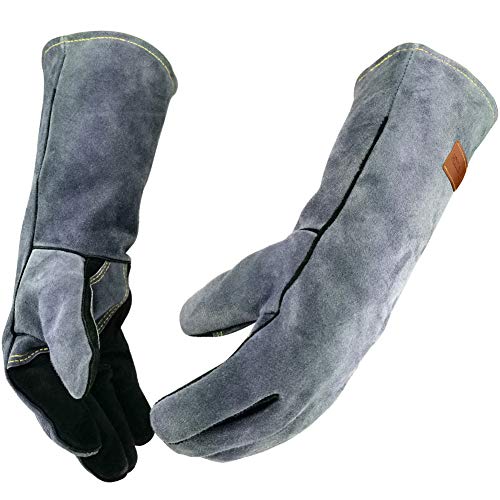
- ✓ Extreme heat resistance
- ✓ Durable, wear-resistant material
- ✓ Long sleeve protection
- ✕ Slightly stiff initially
- ✕ Manual size measurement variance
| Material | Genuine Cowhide Split Leather outer layer, high temperature resistant Aluminum Foil laminate, flame retardant cotton cloth, soft cotton fiber lining |
| Heat Resistance | Up to 932°F (500°C) |
| Thickness | 1.2mm thick natural cowhide leather |
| Length | 16 inches with 7.5-inch sleeve extension |
| Protection Features | Heat, cold, puncture, cut, oil resistant, reinforced double leather stitching |
| Intended Use | Welding (SMAW, GMAW, FCAW), forging, grilling, fireplace, cooking, gardening, camping, animal handling |
Honestly, I didn’t expect these gloves to feel so sturdy right out of the box. When I first slipped them on, I was surprised by how thick and supple the cowhide leather was—almost like wearing a protective second skin.
The 16-inch length instantly caught my eye, giving me confidence that my forearms would stay safe during intense tasks.
As I tested them around a hot grill, I realized just how well they block out heat. The inner cotton lining felt soft and breathable, so I didn’t get that clammy feeling after a few minutes of handling hot pans.
The triple-layer construction, especially the aluminum foil layer, really does insulate against extreme temperatures—up to 932°F!
Using these for welding, I appreciated the reinforced stitching on the palms; they felt durable enough to handle sparks and sharp edges. The extra-long sleeve was a game changer, shielding my forearms completely from splattering grease and open flames.
They’re versatile too—great for grilling, gardening, or working with firewood, which makes them a solid all-rounder.
Comfort-wise, they are surprisingly breathable, so I didn’t feel sweat building up. The flame-retardant thread stitching adds a nice touch of safety, making me feel more confident in high-heat environments.
And honestly, at just under $20, they’re a steal for the peace of mind they provide.
Overall, these gloves deliver serious protection without sacrificing comfort. They’re a perfect choice if you need reliable heat resistance for a variety of tasks.
Plus, they look good enough to give as a gift—definitely a handy addition to any toolkit or kitchen.
What Features Make a Fireplace Heat Resistant?
Several features contribute to the heat resistance of a fireplace:
- Material Composition: The materials used in the construction of a fireplace play a crucial role in its heat resistance. Fireplaces made from firebricks, stone, or cast iron can withstand high temperatures without warping or cracking, ensuring safety and durability over time.
- Insulation: Proper insulation around the fireplace helps to contain heat and prevent it from escaping into surrounding areas. This not only makes the fireplace more efficient but also protects nearby structures from heat damage.
- Fireplace Design: The design of the fireplace, including its size and shape, affects how heat is distributed and retained. A well-designed fireplace promotes better airflow and heat circulation, enhancing the overall effectiveness of heat resistance.
- Fireplace Liners: Installing a heat-resistant liner inside the chimney can protect against heat transfer and prevent damage to the chimney structure. These liners often come in materials like stainless steel or clay, which are specifically designed to handle high temperatures.
- Heat Shields: Heat shields can be installed around the fireplace to reflect and absorb heat, reducing the risk of fire hazards. These shields can be made from metal or special heat-resistant materials that help protect walls and furniture from excessive heat exposure.
- Clearance Requirements: Adhering to clearance requirements ensures that there is adequate space between the fireplace and combustible materials. This is essential for preventing heat buildup and minimizing the risk of fire spread.
- Ventilation Systems: Adequate ventilation allows for the proper expulsion of heat and smoke, reducing the risk of overheating. A well-ventilated fireplace can maintain a lower temperature in surrounding areas, enhancing safety and comfort.
Which Materials Provide the Best Heat Resistance for Fireplaces?
The materials that provide the best heat resistance for fireplaces include:
- Firebrick: Firebricks are specifically designed to withstand high temperatures and are often used in the construction of fireplace interiors and chimneys.
- Cast Iron: Cast iron is renowned for its durability and excellent heat retention, making it a popular choice for fireplace inserts and stoves.
- Stainless Steel: Stainless steel is resistant to corrosion and can handle high temperatures, making it suitable for fireplace components that require both strength and heat resistance.
- Soapstone: Soapstone is a natural stone that not only offers superior heat retention but also radiates heat evenly, making it ideal for fireplace surrounds and stoves.
- Refractory Cement: Refractory cement can withstand extreme heat and is often used to line fireplaces, providing a long-lasting, heat-resistant surface.
Firebrick: Firebricks are made from materials that can endure temperatures exceeding 1,000 degrees Fahrenheit without cracking or degrading. They are essential in traditional masonry fireplaces and are ideal for areas exposed to direct flames, as they help maintain structural integrity and improve efficiency.
Cast Iron: Cast iron has excellent heat retention properties, allowing it to absorb and radiate heat effectively over time. Its robust nature makes it highly resistant to warping and damage from high temperatures, which is why it is frequently used in fireplace inserts and wood stoves.
Stainless Steel: Stainless steel is a versatile material that combines heat resistance with a modern aesthetic. It is resistant to rust and corrosion, making it suitable for both indoor and outdoor fireplaces, particularly in chimney liners and fireboxes where high heat and moisture may be present.
Soapstone: Soapstone is known for its unique ability to absorb, retain, and radiate heat, providing a warm and consistent temperature in the living space. This natural stone is aesthetically pleasing and also highly durable, capable of withstanding intense heat without cracking.
Refractory Cement: Refractory cement is specifically formulated to withstand extremely high temperatures, making it an excellent choice for the lining of fireplaces and fireboxes. It helps efficiently contain and direct heat while protecting the structural components of the fireplace from thermal stress.
What Types of Heat Resistant Fireplaces Are Available on the Market?
The market offers several types of heat-resistant fireplaces designed to provide warmth while withstanding high temperatures.
- Wood-Burning Fireplaces: These traditional fireplaces use wood logs as fuel and are constructed with materials like firebrick and steel to endure high heat. They often have a classic aesthetic and can create a cozy atmosphere, but require regular maintenance and chimney cleaning.
- Gas Fireplaces: Available in vented and unvented options, gas fireplaces are fueled by natural gas or propane. They are designed with heat-resistant materials and can provide efficient heating with the convenience of quick ignition and adjustable flame settings.
- Electric Fireplaces: Utilizing electric heating elements, these fireplaces are easy to install and can be used without venting. They typically have a lower heat output compared to wood or gas options but offer a safe and maintenance-free alternative with various designs and realistic flame effects.
- Pellet Stoves: These appliances burn compressed wood pellets, offering a more eco-friendly option. They are built with robust materials that can withstand high temperatures and often come with advanced features like programmable thermostats for efficient heating.
- Bioethanol Fireplaces: Using bioethanol fuel, these fireplaces are ventless and produce real flames without smoke or soot. They are made from heat-resistant glass and metal, making them suitable for indoor use while providing an elegant appearance and contemporary design.
- Insert Fireplaces: Designed to be installed into an existing fireplace, inserts can be wood-burning, gas, or electric. They enhance heat efficiency and are constructed with durable materials that can withstand intense heat, improving the overall heating capability of a home.
What Are the Advantages of Wood-Burning Fireplaces for Heat Resistance?
The advantages of wood-burning fireplaces in terms of heat resistance are notable for their efficiency and effectiveness in heating spaces.
- High Heat Output: Wood-burning fireplaces can produce a substantial amount of heat, making them an effective option for warming larger areas. The combustion of wood generates high temperatures, which can warm a room quickly and maintain heat for extended periods.
- Natural Insulation: The materials used in wood-burning fireplaces, such as brick and stone, have excellent heat retention properties. These materials absorb heat during the fire and slowly release it into the surrounding area, providing lasting warmth even after the fire has died down.
- Cost-Effective Heating: Utilizing a wood-burning fireplace can be a cost-effective way to heat a home, particularly in areas with an abundant supply of wood. Compared to electric or gas heating systems, burning wood can reduce energy bills significantly, especially during colder months.
- Environmentally Friendly Option: When sourced sustainably, wood is a renewable energy resource, making wood-burning fireplaces a more eco-friendly heating option. Using wood from managed forests can minimize the carbon footprint associated with heating your home.
- Enhanced Aesthetic Appeal: Beyond their practical use, wood-burning fireplaces add a rustic charm and ambiance to any home. The visual appeal of a crackling fire can enhance comfort and coziness, making it a desirable feature in living spaces.
- Independence from Electricity: Wood-burning fireplaces provide an excellent heating solution during power outages, ensuring warmth and comfort when electric heating systems fail. This independence can be crucial in emergency situations or in remote areas where electricity is less reliable.
How Do Gas Fireplaces Compare in Terms of Heat Resistance?
| Type of Fireplace | Heat Resistance Rating | Material | Safety Features |
|---|---|---|---|
| Direct Vent | High (up to 90% efficiency) – Designed for efficient heat retention. | Steel and glass – Durable and heat-resistant materials. | Built-in oxygen depletion sensor |
| Ventless | Moderate (around 70% efficiency) – Offers good heat but less efficient than direct vent. | Ceramic and metal – Good for heat distribution. | Requires proper ventilation to avoid buildup of harmful gases |
| Traditional | Variable (typically 60-80% efficiency) – Depends on installation and flue design. | Brick and stone – Natural heat resistive properties. | Requires chimney maintenance and inspections |
Are Electric Fireplaces Effective in Maintaining Heat?
Heat Output Ratings: The effectiveness of an electric fireplace can often be measured by its heat output, typically expressed in BTUs (British Thermal Units), which indicates how much heat the unit can produce. Higher BTU ratings generally mean a greater ability to maintain warmth, making it essential to choose a model appropriate for the size of the space being heated.
Zone Heating Capabilities: Electric fireplaces are ideal for zone heating, allowing users to heat specific areas of a home rather than the entire space, which can lead to energy savings. By focusing heat in the areas where it is needed most, users can reduce reliance on central heating systems and lower their energy bills.
Safety Features: Many modern electric fireplaces come equipped with safety features such as automatic shut-off and cool-to-the-touch surfaces, making them safe for use in various environments. These features ensure that the unit does not overheat and can be used safely around children and pets.
Energy Efficiency: Electric fireplaces convert almost all of their energy into heat, making them highly efficient compared to traditional wood or gas fireplaces. This efficiency not only contributes to effective heating but also means lower operational costs for the user over time.
What Benefits Do Heat Resistant Fireplaces Offer for Homeowners?
Heat resistant fireplaces provide several advantages for homeowners, enhancing both safety and efficiency in home heating.
- Improved Safety: Heat resistant fireplaces are designed to withstand high temperatures, significantly reducing the risk of fire hazards. This makes them a safer choice for families, especially those with children or pets.
- Energy Efficiency: These fireplaces often feature better insulation and heat retention, allowing for more efficient heating of the home. This can lead to lower energy bills as homeowners rely less on their central heating systems.
- Durability: Built with materials that can endure extreme heat, heat resistant fireplaces tend to have a longer lifespan. This durability means fewer replacements or repairs over time, making them a wise investment.
- Enhanced Aesthetics: Many heat resistant fireplaces come in a variety of stylish designs and finishes. This allows homeowners to choose options that complement their interior decor while still providing functional benefits.
- Environmental Benefits: Using a heat resistant fireplace can often lead to reduced emissions, especially if they are designed to burn cleaner fuels. This contributes to a lesser environmental impact compared to traditional heating methods.
- Versatile Fuel Options: These fireplaces can often accommodate a range of fuel types, including wood, gas, or pellets. This versatility allows homeowners to choose the most convenient and cost-effective fuel for their needs.
What Factors Should You Consider When Selecting a Heat Resistant Fireplace?
When selecting the best heat resistant fireplace, several key factors should be considered to ensure safety, efficiency, and aesthetic appeal.
- Material: The material of the fireplace significantly impacts its heat resistance. Options like cast iron and firebrick are excellent choices due to their ability to withstand high temperatures and distribute heat evenly, enhancing efficiency and safety.
- Size: The size of the fireplace should match the space it is intended for. A larger fireplace may generate excessive heat in a small room, while a smaller unit may struggle to heat a larger area effectively, leading to inefficient energy use.
- Type of Fuel: The type of fuel used in the fireplace—wood, gas, or electric—affects heat output and efficiency. Wood-burning fireplaces provide a traditional aesthetic and significant heat but require more maintenance, while gas options offer convenience and cleaner burning.
- Ventilation: Proper ventilation is crucial for heat management and safety. An efficient ventilation system will help direct smoke outside while allowing for better heat retention within the room, minimizing the risk of overheating and improving air quality.
- Safety Features: Look for fireplaces equipped with safety features, such as heat guards and automatic shut-off mechanisms. These features help prevent accidental fires and overheating, making the fireplace safer for use in homes with children or pets.
- Design and Aesthetics: The design of the fireplace should complement your home’s decor while also being functional. Options range from traditional to modern styles, and selecting one that fits your aesthetic can enhance the overall appeal of your living space.
- Efficiency Rating: Check the efficiency rating of the fireplace, typically measured in terms of heat output versus fuel consumption. Higher efficiency ratings indicate a better performance in converting fuel into heat, which can lead to lower energy costs and a reduced environmental impact.
How Can You Maintain a Heat Resistant Fireplace for Optimal Performance?
To maintain a heat resistant fireplace for optimal performance, several key practices should be followed:
- Regular Cleaning: Keeping your fireplace clean is essential for its efficiency and safety. Creosote buildup can occur in the chimney and flue, which can lead to fires; regular sweeping and cleaning reduce this risk and ensure better heat output.
- Inspecting the Chimney: Annual inspections of the chimney are crucial to identify any blockages or damage. This includes checking for cracks and ensuring that the flue is clear, which helps maintain proper airflow and maximizes heat efficiency.
- Using Quality Fuel: The type of fuel used in the fireplace significantly impacts its performance. Opting for seasoned hardwoods or approved fuels reduces smoke and creosote buildup while providing better heat output compared to softer woods or unseasoned logs.
- Seal Drafts: Ensuring that the fireplace and surrounding areas are well-sealed prevents drafts that can reduce heat efficiency. Using fireproof materials to seal any gaps around the fireplace helps maintain optimal temperatures and reduces heat loss.
- Installing a Glass Door: A glass door can enhance the efficiency of a fireplace by retaining heat and preventing drafts. It also helps to reduce the amount of ash and soot that escapes into the living area, creating a cleaner environment.
- Using an Insert: Installing a fireplace insert can improve the heat efficiency of an existing fireplace. Inserts are designed to burn fuel more completely and can significantly increase heat output while reducing emissions.
- Maintaining Proper Airflow: Ensuring that there is sufficient airflow to your fireplace is vital for combustion. Keeping air vents clean and unobstructed helps maintain optimal oxygen levels for efficient burning, which in turn improves the heat output.