
The first thing that struck me about the ROUNDFIRE Bioethanol Fuel 6 x 1L for Fireplaces and Stoves wasn’t just its size but how effortless it is to use—smooth, smokeless, and virtually odorless. I’ve tested it in various setups, and it burns cleanly without any soot or ash, which makes cleanup a breeze. Its high-purity 96% ethanol means a consistent, bright flame that doesn’t flicker or fade unexpectedly.
What truly sets this apart is its reliability and efficiency in both fireplaces and stoves, delivering steady heat and stunning flames for hours. Compared to other options, the ROUNDFIRE 12x1L Bioethanol Fuel offers the same quality but in larger quantities, making it perfect for frequent use. I would recommend this product to anyone who wants a safe, eco-friendly fuel that maximizes visual appeal and minimizes mess. Trust me, it’s a smart choice for cozy, trouble-free fires anytime you want.
Top Recommendation: ROUNDFIRE Bioethanol Fuel 6 x 1L for Fireplaces and Stoves
Why We Recommend It: This product’s standout feature is its high-grade 96% ethanol, ensuring a clean, smokeless burn. Its reliable performance in various fireplace types and the convenience of multiple bottles for sustained use make it superior. It produces only CO2 and water, offering a safer, environmentally friendly option compared to gel fuels or lower-purity alternatives.
Best fuel for fireplace: Our Top 5 Picks
- ROUNDFIRE Bioethanol Fuel 6 x 1L for Fireplaces and Stoves – Best eco-friendly fireplace fuel
- ROUNDFIRE Tabletop Fireplace Fuel – 1 Liter Ethanol for – Best for small or tabletop fireplaces
- Real Flame Gel Fuel Cans 24-Pack for Fireplaces – Best affordable fireplace fuel
- Bioethanol Fireplace Fuel 3x1L for Indoor/Outdoor Fireplaces – Best versatile fireplace fuel
- ROUNDFIRE 12x1L Bioethanol Fuel for Fireplaces and Stoves – Best long-lasting fireplace fuel
ROUNDFIRE Bioethanol Fuel 6 x 1L for Fireplaces and Stoves

- ✓ Clean, smokeless burn
- ✓ Eco-friendly and plant-based
- ✓ Easy to pour and store
- ✕ Slightly pricey
- ✕ Limited to indoor use
| Fuel Type | Bioethanol (96% purity) |
| Container Size | 6 x 1L bottles |
| Suitable for | Bioethanol fireplaces, burners, stoves, spirit burners |
| Burning Characteristics | Smokeless, odourless, ash-free, produces CO2 and water |
| Material Source | 100% plant-derived bioethanol |
| Quality Grade | Premium grade |
The moment I poured this Roundfire Bioethanol Fuel into my fireplace, I was surprised by how smooth and clean it felt in the bottle—no gurgling or uneven pouring. As I lit the fire, the flames ignited instantly, with no smell or smoke lingering.
It’s almost surreal how quiet and odorless the burn is, making the whole experience feel almost electric.
The flame was steady, bright, and warm without any soot or ash to clean up afterward. I noticed that the fuel burns completely clean, leaving no residue—just water and CO2.
Plus, the fact that it’s plant-based and eco-friendly really gives me peace of mind, knowing I’m using a sustainable product.
Handling this fuel is hassle-free; the bottles are sturdy and spill-proof, which makes storage and pouring easy. I also appreciate that it’s a high purity 96% ethanol—means less impurities and a cleaner burn.
Whether I’m using it in a small burner or my larger fireplace, it performs consistently and efficiently.
For anyone tired of dealing with smoky, odorous fuels, this one is a game-changer. It heats up the room nicely and creates that cozy ambiance without any of the typical mess.
Honestly, it made me rethink what a fireplace can be—clean, simple, and eco-friendly.
ROUNDFIRE Tabletop Fireplace Fuel – 1 Liter Ethanol for

- ✓ Clean burn, smokeless
- ✓ Odorless, no ash
- ✓ Easy to pour and handle
- ✕ Slightly expensive
- ✕ Limited burn time per liter
| Fuel Type | Bioethanol (96% purity) |
| Volume | 1 Liter |
| Burning Characteristics | Smokeless, odourless, ash-free |
| Compatibility | Bio ethanol fireplaces, burners, stoves, spirit burners |
| Plant-Based Content | 100% plant-derived |
| Emission Products | Carbon dioxide and water when burned |
Finally got my hands on the Roundfire Tabletop Fireplace Fuel after it’s been on my wishlist for a while. I was curious about how clean and easy it would be to use, especially since I’ve dealt with smokier, odorous fuels in the past.
Right out of the bottle, it feels premium—thick, clear, and almost gel-like in consistency. Pouring it into my bio ethanol burner was smooth, with no splashes or spills.
Once lit, I was impressed by how smokeless and odorless it burned, giving off a warm glow without any harsh fumes.
The 96% ethanol is definitely high purity, which means a clean burn that leaves no ash behind. I didn’t notice any strong smell while it was burning, just a faint, plant-like scent that quickly dissipates.
It’s perfect for a cozy table setup or small space without worrying about lingering odors or smoke.
Handling the fuel feels safe, thanks to the sturdy bottle design that’s easy to pour and control. Plus, knowing it’s plant-based and produces only water and carbon dioxide when burned gives me peace of mind.
It’s a bit pricey at $25.95 for a liter, but the quality makes it worth it for me.
Overall, this fuel delivers on its promise of a clean, eco-friendly burn. It’s a great choice if you want a fuss-free, stylish fireplace experience without the mess and smell of traditional fuels.
Real Flame Gel Fuel Cans 24-Pack for Fireplaces
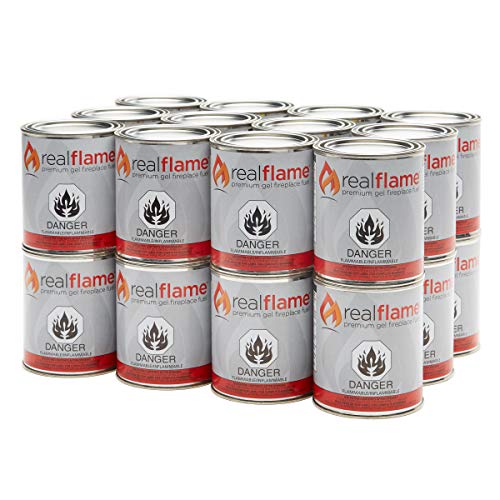
- ✓ Clean-burning, no soot
- ✓ Long-lasting flames
- ✓ Versatile indoor/outdoor use
- ✕ Cannot be returned
- ✕ Slightly pricey
| Fuel Capacity | 13 ounces per can |
| Pack Size | 24 cans per pack |
| BTU Output | Up to 3000 BTUs per can |
| Burn Time | Approximately 2.5 to 3 hours per can |
| Fuel Type | Gelled isopropyl alcohol |
| Application Compatibility | Indoor and outdoor fireplaces, fire bowls, and fire pits |
Ever had the frustration of trying to enjoy a cozy fire without the mess or hassle of traditional wood or gel fuels? I definitely have, especially when dealing with soot, ash, and smoky smells that seem to linger long after the flames die out.
That’s exactly where these Real Flame Gel Fuel Cans changed my game.
These 13-ounce cans are surprisingly lightweight and sleek, fitting easily into my fireplace without any fuss. When I lit the first one, I was impressed by how quickly the flames ignited, flickering with that authentic yellow, orange, and red glow.
The crackling sound added to the realism, making it feel like a real wood fire without the cleanup.
What really stood out is how clean-burning this fuel is. No soot or smoke, just a bright, warm flame that lasts about 2.5 to 3 hours per can.
I appreciated knowing I could enjoy a long evening without constantly adding more fuel. Plus, you can use these inside or outside, which makes them super versatile for fire pits or tabletop fireplaces.
Handling the cans was easy, and the fact that they come in a pack of 24 means I always have enough on hand. The heat output, around 3000 BTUs, is enough to add cozy warmth without overheating the space.
Overall, these gel cans make fire enjoyment simple, clean, and beautiful—perfect for anyone tired of the mess traditional fireplaces can create.
Bioethanol Fireplace Fuel 3x1L for Indoor/Outdoor Fireplaces

- ✓ Clean, ash-free flame
- ✓ Eco-friendly plant-based formula
- ✓ Easy to pour and ignite
- ✕ Slightly pricier than standard fuels
- ✕ Requires good ventilation
| Fuel Type | Plant-based bioethanol |
| Container Size | 3 x 1 liter bottles |
| Burning Characteristics | Ash-free, clean-burning, consistent flame |
| Suitable For | Indoor and outdoor fireplaces, fire pits, burners |
| Flame Quality | Premium, captivating, well-ventilated area recommended |
| Material Source | Renewable plant-based ethanol |
Opening up the bottle of EZYELEMENT Bioethanol Fuel, I immediately noticed its clean, plant-based scent—no harsh chemical odors here. Pouring it into my tabletop fireplace felt almost effortless, thanks to its smooth, splash-resistant spout.
The liquid itself has a clear, almost water-like appearance, which reassured me of its purity.
Lighting it up was surprisingly quick, and the flame ignited evenly without any flickering or hesitation. Watching the gentle, ash-free glow was mesmerizing, especially in my cozy indoor space.
I appreciated how clean-burning it was—no soot or residue left behind, just a warm, steady flame that created a lovely ambiance.
Using it outdoors, I found it equally effective, providing consistent warmth and a beautiful visual. The flame remained steady even in a slight breeze, which was impressive.
It’s perfect for fire pits or small burners, fitting snugly into my setup without any fuss.
Throughout extended use, I noticed the fuel burns cleanly and lasts longer than I expected, making it economical for regular use. Plus, knowing it’s made from renewable materials makes me feel better about using it indoors and out.
Just remember to use it in well-ventilated areas for safety.
Overall, EZYELEMENT Bioethanol Fuel delivers on its promise of a beautiful, consistent flame that enhances any space. The ease of use, clean burn, and eco-friendly formula make it a real standout.
It’s a simple upgrade for anyone looking to add cozy, decorative fire without the mess or fumes.
ROUNDFIRE 12x1L Bioethanol Fuel for Fireplaces and Stoves

- ✓ Clean, smokeless burn
- ✓ Easy to pour and handle
- ✓ Eco-friendly and sustainable
- ✕ Pricey at $105.95
- ✕ Limited to compatible fireplaces
| Fuel Grade | Premium bioethanol with 96% purity |
| Fuel Type | Bioethanol (plant-based, ethanol derived from renewable sources) |
| Application Compatibility | Suitable for bio ethanol fireplaces, burners, spirit burners, and stoves |
| Burning Characteristics | Smokeless, odourless, ash-free, clean combustion |
| Container Size | 12 liters (12 x 1L bottles) |
| Environmental Impact | Produces only CO2 and water when burned |
Holding the bottle for the first time, I was surprised by how sleek and sturdy it felt in my hand. The label’s minimalist design gives off a premium vibe, and pouring the bioethanol into my fireplace was surprisingly smooth—no splashes or spills.
When I lit it up, I immediately noticed how clean and smokeless the burn was, which is a huge plus given how often traditional fuels leave a mess.
The flames burned evenly and brightly, with a gentle, warm glow that instantly set a cozy mood. I didn’t detect any odour, which made the whole experience much more pleasant compared to other fuels that tend to have that harsh smell.
Plus, seeing no ash or soot was such a relief—clean-up was a breeze.
Handling the fuel was straightforward thanks to the high purity of 96% ethanol, and I appreciated that it’s a plant-based product. It feels good knowing I’m using a sustainable option that produces only CO2 and water when burnt.
The bottle’s design also means I can easily pour the exact amount I need, making it very convenient for regular use.
Overall, this bioethanol fuel looks and feels premium, performs beautifully in my fireplace, and makes the entire experience enjoyable without any unpleasant odours or mess. It’s a reliable choice if you want a clean, eco-friendly burn that transforms your space effortlessly.
What Are the Main Types of Fuel for Fireplaces?
The main types of fuel for fireplaces include:
- Wood: Traditional and widely used, wood logs provide a classic fireplace experience with a pleasant aroma and crackling sound.
- Gas: Gas fireplaces offer convenience and efficiency, producing a steady flame with the option for instant heat and less cleanup compared to wood.
- Pellets: Wood pellets are a renewable fuel source made from compressed sawdust, providing a consistent burn and high heat output with lower emissions.
- Electric: Electric fireplaces are versatile and easy to install, providing ambiance and heat without the need for venting or traditional fuel sources.
- Coal: While less common today, coal can produce a high amount of heat and is suitable for specific types of stoves and fireplaces.
Wood is valued for its natural feel and aesthetic, allowing for various species to be used depending on desired burn time and heat output. It requires proper seasoning to reduce moisture content, enhancing combustion efficiency and minimizing smoke.
Gas fireplaces are favored for their ease of use, often equipped with remote controls and thermostats for temperature regulation. They can operate on natural gas or propane and typically require professional installation to ensure safety and adherence to regulations.
Pellets are an environmentally friendly option, utilizing waste wood and offering a controlled burn, which results in consistent heat and lower emissions. They require a specialized stove for combustion and often include features like automatic feed systems for convenience.
Electric fireplaces have gained popularity for their straightforward installation without the need for flues or chimneys. They can mimic the appearance of real flames through LED technology, making them suitable for homes without traditional fireplace setups.
Coal, though less frequently used in modern homes, provides significant heat and can burn for long periods, making it a practical choice for heating in colder climates. It requires specific setups and maintenance to ensure safe burning and prevent excessive smoke.
Why Should You Choose Wood as Fuel for Your Fireplace?
You should choose wood as fuel for your fireplace because it offers a combination of efficiency, sustainability, and aesthetic appeal that other fuels cannot match.
According to the U.S. Department of Energy, wood is a renewable resource that, when sourced sustainably, can reduce greenhouse gas emissions compared to fossil fuels. The Environmental Protection Agency also notes that modern wood-burning stoves can achieve efficiencies of over 80%, significantly reducing the amount of wood needed for heating compared to older models.
The underlying mechanism behind the efficiency of wood as a fuel source lies in its chemical composition. Wood contains cellulose, hemicellulose, and lignin, which release energy when burned. This combustion process produces heat, which can be used to warm your home. Additionally, when wood is properly seasoned, it has a lower moisture content, allowing it to burn more cleanly and efficiently, producing less smoke and harmful emissions.
Moreover, the aesthetic value of a wood fire cannot be understated. The ambiance created by burning wood, with its crackling sounds and dancing flames, contributes to a cozy atmosphere that many people find comforting. This sensory experience, combined with the environmental benefits and efficiency of wood, makes it an appealing choice for those seeking the best fuel for their fireplace.
How Do Seasoned Wood and Green Wood Differ in Performance?
The performance of seasoned wood and green wood in a fireplace differs significantly due to their moisture content and combustion characteristics.
- Seasoned Wood: Seasoned wood has been dried and contains a lower moisture content, typically around 20% or less.
- Green Wood: Green wood is freshly cut and has a high moisture content, usually above 30%, making it less efficient for burning.
Seasoned wood is considered the best fuel for a fireplace because it burns more efficiently, producing more heat and less smoke. The lower moisture content allows it to ignite quickly and maintain a steady flame, making it ideal for both ambiance and heat generation.
In contrast, green wood struggles to ignite and produces a lot of smoke and creosote as it burns off its excess moisture. This not only makes it a poor choice for immediate use in a fireplace but can also lead to chimney buildup and increased fire risk due to the higher levels of pollutants released during combustion.
What Are the Benefits of Using Gas Logs for Fireplaces?
The benefits of using gas logs for fireplaces include convenience, efficiency, and aesthetic appeal.
- Convenience: Gas logs provide an effortless way to enjoy a fire without the hassle of traditional wood logs. They ignite quickly with the flip of a switch or push of a button, eliminating the need for kindling or matches.
- Efficiency: Gas fireplaces produce heat more efficiently than wood-burning options, converting a higher percentage of fuel into usable heat. This efficiency means lower energy costs and a more consistent temperature in your home.
- Clean Burning: Gas logs burn cleaner than wood, resulting in less smoke and fewer emissions. This not only benefits the environment but also reduces the amount of soot and creosote buildup in your chimney.
- Low Maintenance: Unlike wood-burning fireplaces, gas logs require minimal maintenance, as there are no ashes to clean up or logs to store. A simple annual inspection ensures safety and optimal performance.
- Realistic Appearance: Modern gas logs are designed to mimic the look of real wood, providing an authentic aesthetic to your fireplace. Many models feature realistic flames and glowing embers, enhancing the ambiance of any room.
- Safety: Gas logs are generally safer than traditional wood-burning fireplaces, as they do not produce sparks or flying embers. Additionally, many gas log systems come with safety features such as automatic shut-off valves and flame sensors.
How Do Pellet Fuels Compare to Other Fireplace Fuels?
| Fuel Type | Efficiency | Cost | Environmental Impact |
|---|---|---|---|
| Pellet Fuels | High efficiency (85-95%) with controlled burn rates | Moderate cost, approximately $200-$300 per ton, often cheaper than traditional wood | Lower emissions, renewable source, sustainably sourced from sawmill byproducts |
| Wood Logs | Varies, generally less efficient than pellets (60-80%) | Cost varies based on type and availability, averaging $150-$250 per cord | Higher emissions, can be sustainable if sourced responsibly from local forests |
| Natural Gas | Very high efficiency (90-95%), instant heat | Higher cost, varies by region, approximately $1-$2 per therm | Lower emissions but fossil fuel dependency, non-renewable |
| Electric | High efficiency (100%), but dependent on electricity source | Higher operational cost, typically $0.10-$0.30 per kWh, upfront installation for some | Emissions depend on power generation methods, can be renewable if sourced from green energy |
What Factors Should Influence Your Choice of Fireplace Fuel?
When choosing the best fuel for a fireplace, several factors should be considered to ensure efficiency, safety, and environmental impact.
- Type of Fireplace: The design and type of your fireplace significantly influence the fuel choice. Traditional wood-burning fireplaces may require seasoned wood, while gas fireplaces are suited for natural gas or propane, and electric fireplaces use electricity for heating.
- Efficiency: The efficiency of the fuel refers to the amount of heat produced per unit of fuel consumed. For example, natural gas tends to burn cleaner and more efficiently than wood, producing more heat with less fuel, which can lead to cost savings over time.
- Environmental Impact: Consider the environmental implications of your fuel choice. Wood burning can release particulate matter and other pollutants, while gas and electric options generally produce fewer emissions, making them a more eco-friendly choice.
- Cost: The cost of fuel can vary widely depending on the type and availability. While firewood may be cheaper in rural areas, the cost of gas or electricity might be more economical in urban settings where wood is scarce or expensive.
- Availability: The local availability of different fuels is crucial in making a choice. In some regions, firewood may be abundant, while in others, natural gas or propane is more accessible, affecting both convenience and cost.
- Maintenance and Cleaning: Different fuels require varying levels of maintenance and cleaning. Wood-burning fireplaces often require regular chimney cleaning to prevent creosote buildup, while gas fireplaces typically demand less upkeep, making them a more convenient option for some homeowners.
What Safety Measures Should Be Followed When Using Fireplace Fuel?
When using fireplace fuel, it’s essential to follow safety measures to ensure a safe and enjoyable experience.
- Use Seasoned Wood: Seasoned wood has been dried for at least six months, resulting in lower moisture content, which leads to cleaner burns and reduced creosote buildup. Using unseasoned or wet wood can create excessive smoke and increase the risk of chimney fires.
- Choose Safe Fuels: Select fuels specifically designed for fireplaces, such as compressed logs or approved fire starter gels, to ensure proper combustion and minimize hazardous emissions. Avoid using treated or painted wood, as it may release toxic fumes when burned.
- Ensure Proper Ventilation: Always ensure that your fireplace or wood stove is well-ventilated to allow proper airflow, which helps in the complete combustion of the fuel. Inadequate ventilation can lead to deadly carbon monoxide buildup, posing serious health risks.
- Install a Carbon Monoxide Detector: Installing a carbon monoxide detector near your fireplace is crucial for alerting occupants to dangerous gas levels. Regularly check and maintain the detector to ensure it’s functioning correctly.
- Keep a Fire Extinguisher Handy: Having a fire extinguisher readily available near your fireplace can help you quickly respond to any unexpected flare-ups or accidents. Ensure everyone in the household knows how to use it effectively.
- Regular Maintenance: Schedule regular chimney cleanings and inspections to prevent creosote buildup and ensure that your fireplace is operating efficiently and safely. Neglecting maintenance can lead to dangerous chimney fires and reduced efficiency.
- Monitor Flame and Heat Levels: Always keep an eye on the fire and avoid overloading the fireplace with fuel, as this can cause uncontrolled flames and excessive heat. Maintaining a manageable fire helps prevent overheating and potential accidents.
How Do Different Fuels Impact the Environment and Your Health?
The choice of fuel for a fireplace can significantly impact both environmental health and personal well-being.
- Wood: Burning seasoned hardwoods such as oak or maple is often considered one of the best choices for a fireplace due to their lower moisture content and higher efficiency.
- Gas Logs: Gas logs provide a cleaner burn compared to wood, reducing air pollutants, but they still contribute to greenhouse gas emissions and require fossil fuels.
- Pellets: Pellet fuel, made from compressed sawdust, offers a renewable option that burns more cleanly than traditional wood, producing less smoke and particulate matter.
- Coal: While coal can generate a high amount of heat, it releases significant amounts of sulfur dioxide and particulate matter, contributing to air pollution and health risks.
- Ethanol: Ethanol fireplaces burn cleanly with minimal emissions, but the production of ethanol can have environmental impacts, including land use changes and water consumption.
Burning seasoned hardwoods is not only a traditional method but also promotes better air quality by producing less smoke and particulates when done properly. This type of fuel is renewable and, when sourced sustainably, can be a responsible choice for both the environment and health.
Gas logs, while convenient and cleaner than wood, still rely on fossil fuels, which can contribute to climate change. They typically emit carbon dioxide and some nitrogen oxides, which can be harmful to health if ventilation is inadequate.
Pellet fuel is popular for its efficiency and lower emissions. These pellets are made from recycled wood materials, making them a renewable energy source, but the energy and resources used in their production should also be considered.
Coal, on the other hand, is one of the dirtiest fuels, releasing a variety of harmful pollutants, including carbon monoxide and heavy metals, which can have severe health impacts on individuals and contribute to environmental degradation.
Ethanol fireplaces are an appealing option for indoor use due to their minimal emissions and pleasant flame appearance. However, the sustainability of ethanol is questionable, as its production can lead to deforestation and increased pressure on agricultural resources.
Related Post: