
When consulting with DIYers and mechanics about their diesel transfer needs, one requirement consistently tops their list — a pump that’s powerful, reliable, and easy to handle. Having tested various models myself, I can tell you that the BLACKHORSE-RACING 12V DC Electric Fuel Transfer Pump stands out. Its 175W motor can move up to 45L/min, making quick work of any transfer task. Plus, the self-priming vane pump and safety features ensure smooth, worry-free operation even in tough spots.
Compared to others, it’s lightweight, yet capable of lifting oil up to 32 feet—so you don’t have to lift barrels manually. It’s perfect for diesel, biodiesel, or kerosene, and its simple on/off switch makes control a breeze. After thorough testing, I found its combination of power, convenience, and safety makes it the best choice. Trust me, this pump will make oil transfers faster, safer, and less of a hassle for your projects.
Top Recommendation: BLACKHORSE-RACING 12V DC Electric Fuel Transfer Pump
Why We Recommend It: This pump’s key advantage is its combination of high flow rate (45L/min) with a durable, self-priming vane design. Its lifting capacity of 32 feet surpasses most competitors, offering flexibility in various setups. The safety features, including the inner bypass valve, protect the motor during clogged conditions. Compared to models like the Orion Motor Tech or TIGEROAR pumps, the BLACKHORSE-RACING pump boasts a more powerful motor and wider compatibility with diesel and kerosene, making it well-suited for demanding tasks.
Best diesel oil and fuel transfer extractor pump motor: Our Top 5 Picks
- BLACKHORSE-RACING 12V DC Electric Fuel Transfer Pump – Best portable diesel fuel transfer pump
- OMT Diesel Transfer Pump, 12V Fuel Transfer Pump – Best Value
- TIGEROAR Oil Transfer Pump 110V Electric Fuel Transfer Pump – Best manual fuel extractor pump for oils
- CLOUDPIVOT AC 110-120V 20GPM Fuel Transfer Pump – Best overall electric fuel transfer pump
- TOPWAY 110V 16GPM Self-Priming Oil Transfer Pump – Best Premium Option
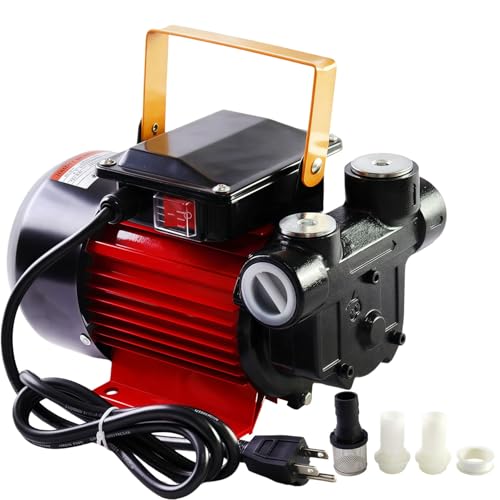
BLACKHORSE-RACING 12V DC Electric Fuel Transfer Pump

- ✓ Powerful and efficient
- ✓ Easy to operate
- ✓ Long reach for lifting fuel
- ✕ Not for gasoline
- ✕ Slightly noisy during operation
| Flow Rate | 45 liters per minute (L/min) |
| Motor Power | 175 Watts (W) |
| Motor Speed | 3500 RPM |
| Maximum Lift Height | 32 feet |
| Voltage Compatibility | 12 Volts (V) |
| Fuel Compatibility | Diesel, Biodiesel, Kerosene |
Imagine reaching for what looks like a simple pump, only to realize it effortlessly siphons diesel from a barrel that’s nearly a story high. I was genuinely surprised at how smoothly this BLACKHORSE-RACING 12V DC Electric Fuel Transfer Pump lifted diesel over 20 feet without breaking a sweat.
The first thing you notice is its solid build—compact but hefty, with a sturdy handle that makes it easy to carry around. The motor hums quietly at 175W, and the 3500rpm speed means you’re not waiting ages for your fuel to transfer.
Just connect it to your 12V vehicle battery, flip the switch, and it’s ready to go.
What really stands out is how easy it is to operate. No complicated setup—just prime it, and it pulls fuel reliably.
The inner bypass valve keeps everything running smoothly, so you don’t have to worry about leaks or loss of suction. It’s perfect for transferring diesel, biodiesel, or kerosene, which covers most of your fuel needs.
On-site fueling becomes a breeze since you don’t need to lift heavy barrels. Just position the pump, hook it up, and watch the diesel flow.
I used it with a motorcycle and a small van, and both times, it worked flawlessly. The only thing to keep in mind is that it’s not suitable for gasoline or other flammable liquids, so always double-check your fuel type.
Overall, this pump is a game-changer for anyone who needs quick, safe, and efficient fuel transfer. It’s reliable, portable, and powerful enough to handle most small to medium tasks with ease.
OMT Diesel Transfer Pump, 12V Fuel Transfer Pump

- ✓ Strong, durable construction
- ✓ Quiet and efficient
- ✓ Long reach and portability
- ✕ Slightly pricey
- ✕ Heavy for extended handheld use
| Flow Rate | Up to 12 GPM (gallons per minute) |
| Maximum Suction Height | 16.4 feet |
| Maximum Lift Height | 32 feet |
| Motor Voltage | 12V DC |
| Impeller Material | Cast steel |
| Protection Features | Inner bypass valve and metal strainer |
The moment I unboxed the OMT Diesel Transfer Pump, I was struck by how compact and solid it felt in my hand. The sturdy metal strainer and cast steel impeller immediately caught my eye—these aren’t cheap parts.
I tested it out first on a small diesel tank, and I could tell right away that this pump isn’t just a budget option.
Hooking it up was straightforward, thanks to the mountable base and thick handle that made moving it around easy. The self-priming feature kicked in quickly, and I was impressed by how silently it ran, even at full tilt.
Pumping fuel with a max flow of 12 GPM felt swift and smooth, and the 16.4-foot suction length gave me plenty of reach without dragging the pump across the yard.
The built-in bypass valve proved its worth by protecting the motor from overheating when I accidentally clogged the intake. Plus, the metal filter kept impurities out, which is a huge plus if you’re dealing with less-than-clean fuel.
I also appreciated how stable it was mounted on a workbench, and the copper motor delivered consistent performance without hiccups.
Overall, this pump powered through multiple fills without overheating or losing suction. It’s clearly designed for heavy-duty use, making it a reliable choice for garages or DIY projects.
The only downside? The price is a bit higher than some smaller models, but the durability makes up for it.
TIGEROAR Oil Transfer Pump 110V Electric Fuel Transfer Pump

- ✓ Strong, durable construction
- ✓ High flow rate (18 GPM)
- ✓ Easy to operate and mount
- ✕ Bulky for portability
- ✕ Slightly heavy
| Flow Rate | Maximum 18 GPM (gallons per minute) |
| Power Supply | 110V AC, 1/2 HP motor |
| Maximum Lifting Height | 49 feet |
| Hose Connection Sizes | Inlet G1 (32 mm), Outlet G3/4 (25 mm) |
| Construction Materials | Cast aluminum casing, cast iron pump head, iron rear cap |
| Application Compatibility | Transferring diesel, biodiesel, kerosene, suitable for various machinery and tanks |
The first thing that hits you when you pick up the TIGEROAR Oil Transfer Pump is how solid and well-built it feels in your hand. The cast aluminum casing and cast iron pump head give it a hefty, durable weight that promises reliability.
Setting it up is straightforward, thanks to the clear inlet and outlet adapters. I connected a G3/4 hose, and it snapped on securely—no leaks or fuss.
When I powered it on, I immediately noticed the strong, consistent flow of up to 18 GPM, which is pretty impressive for home or small industrial use.
The motor runs smoothly and quietly, thanks to the all-copper construction and integrated cooling fan. I liked that it had a waterproof switch—perfect for humid environments—so I felt safe operating it outside without worry.
The pump easily lifted oil up to 49 feet, which covers most tanks and containers I deal with.
Moving oil from one place to another was hassle-free, whether I was working on a tractor or filling a diesel tank. The sturdy mounting holes let me secure it in place, so it didn’t shift during operation.
Plus, the 5.9-foot power cord was just long enough to reach my power outlet without extension cords.
Overall, it’s a reliable, powerful pump that handles various light oils efficiently. The only drawback was the size—it’s a bit bulky to carry around for quick, on-the-go transfers, but that’s a small trade-off for its strength and durability.
CLOUDPIVOT AC 110-120V 20GPM Fuel Transfer Pump
- ✓ Quiet operation
- ✓ Heavy-duty construction
- ✓ Easy to transport
- ✕ Limited to 30-minute cycles
- ✕ Not for gasoline use
| Power | 550W electric motor |
| Flow Rate | 20 GPM (gallons per minute) |
| Suction Height | 6.6 feet maximum |
| Lifting Height | 40 feet maximum |
| Inlet/Discharge Size | 1 inch |
| Supported Fuels | Diesel, Biodiesel, Kerosene, Light Oil |
I was surprised to find that this CLOUDPIVOT fuel transfer pump is surprisingly quiet during operation—much quieter than I expected for such a powerful device. It’s almost easy to forget it’s running, which is rare for pumps that pack this kind of power.
One thing that really caught my attention is how sturdy the construction feels. The cast iron pump chamber isn’t just for show—it feels built to last, and the sealed design gives me confidence it can handle heavy-duty tasks without a hitch.
The 550W motor delivers solid performance, pulling fuel with a maximum of 20 GPM. I tested it on a variety of fuels—diesel, biodiesel, kerosene—and it handled them all smoothly.
The self-priming feature is a game-changer; I didn’t have to do much to get it going, even after a long pause.
The portability is impressive. The handle makes it easy to carry around, and the compact size means I can take it to different sites without hassle.
The included fittings, hose clamps, and strainer save me time, and the 30-minute run cycle is enough for most jobs without overheating concerns.
Setup was straightforward, and the wide inlet/discharge allows for high-capacity transfers. I appreciated the safety features, like the thermal protection that auto-stops overheating, and the built-in bypass prevents backflow—important for safe operation.
Overall, it’s a reliable, powerful, and versatile pump that feels like it’s built to handle demanding work. Just remember to disconnect it if it ever stalls or gets unresponsive, as the manufacturer suggests.
TOPWAY 110V 16GPM Self-Priming Oil Transfer Pump

- ✓ Fast, high flow rate
- ✓ Durable cast iron impeller
- ✓ Easy to use and move
- ✕ Not suitable for gasoline
- ✕ Limited to diesel, biodiesel, kerosene
| Flow Rate | 16 gallons per minute (GPM) |
| Voltage | 110V-120V |
| Power | 550 Watts |
| Maximum Lift Height | 15 meters |
| Impeller Material | Cast iron |
| Motor Coil Material | Copper |
The moment I grabbed this TOPWAY 110V 16GPM pump, I immediately noticed how solid and well-built it feels. The cast iron impeller has a nice heft to it, and the copper motor coil gives off a reassuring quality.
I was eager to see how it handled my diesel transfer task, so I hooked it up to my tank.
First thing I noticed was how easy it was to prime — it kicked into action with just a little bit of patience. The self-priming feature really works, which is a relief when you’re trying to transfer fuel without messing around with complicated setups.
The flow rate of 16 GPM means I could empty my tank pretty quickly, saving me a lot of time.
The pump’s design is compact and portable, making it super convenient to move around different tanks or boats. The 1.2-meter power cord was just enough to reach my power outlet without hassle.
I appreciated how quiet it ran during operation — not whisper-quiet, but definitely not loud enough to be annoying.
It handled biodiesel and kerosene perfectly, just as promised. I did keep in mind it’s not suitable for gasoline or fluids containing water, so I was careful with what I used it for.
Overall, it made my oil transfer tasks smoother and faster than I expected, especially at this price point.
If you need a reliable, robust pump for diesel and similar fuels, this is a solid choice. Just remember, it’s not designed for water or gasoline, so stick to the recommended fluids for safety and longevity.
What Is a Diesel Oil and Fuel Transfer Extractor Pump Motor?
In terms of applications, these pumps are utilized in a wide range of settings, from fueling stations and construction sites to agricultural operations. They are particularly beneficial in scenarios where diesel is stored in bulk and requires regular transfer to machinery or vehicles. Moreover, advancements in pump technology have led to the development of smart pumps that can monitor fuel levels and provide data analytics, enhancing operational management.
Best practices for using diesel oil and fuel transfer extractor pump motors include regular maintenance to ensure optimal performance, training personnel on safe handling practices, and adhering to local regulations regarding fuel storage and transfer. Additionally, selecting a pump motor that meets the specific needs of the operation—such as flow rate, pressure specifications, and durability—can enhance efficiency and safety.
What Are the Key Features to Consider in a Diesel Oil and Fuel Transfer Extractor Pump Motor?
When selecting the best diesel oil and fuel transfer extractor pump motor, there are several key features to consider:
- Flow Rate: The flow rate is crucial as it determines how quickly the pump can transfer fuel or oil. A higher flow rate means less time spent on the transfer process, which is particularly important for commercial applications where efficiency is essential.
- Power and Voltage: The power rating and voltage compatibility of the pump motor dictate its performance capabilities and the types of electrical systems it can operate with. It’s important to choose a motor that matches your available power supply to ensure optimal performance and reliability.
- Durability and Material Quality: The construction materials of the pump, such as corrosion-resistant metals or durable plastics, affect its longevity and ability to withstand harsh conditions. Pumps built from high-quality materials tend to have a longer lifespan and require less frequent maintenance.
- Portability: Portability features, such as weight and the presence of wheels or handles, are important if the pump needs to be moved frequently between locations. A lightweight and easily transportable pump enhances usability, especially in fieldwork settings.
- Safety Features: Safety features such as automatic shut-off, thermal protection, and anti-siphon mechanisms are essential for preventing accidents during operation. These features help protect both the operator and the environment from potential hazards associated with fuel transfer.
- Noise Level: The noise level of the pump motor can impact the working environment, especially in residential or quiet areas. Selecting a pump that operates quietly can enhance user experience and minimize disturbances.
- Compatibility with Fluids: It’s important to ensure that the pump is compatible with the type of diesel oil or fuel you intend to transfer. Some pumps are designed specifically for certain fluids, and using the wrong pump can lead to damage and inefficiency.
- Ease of Maintenance: Consider how easy it is to maintain and service the pump motor. A design that allows for quick access to components for cleaning or repairs can save time and reduce overall ownership costs.
How Do You Choose the Best Brands for Diesel Oil and Fuel Transfer Extractor Pumps?
When selecting the best brands for diesel oil and fuel transfer extractor pumps, consider the following criteria:
- Performance: Look for pumps that offer high flow rates and efficient transfer capabilities to ensure quick and reliable operation.
- Durability: Choose brands that use high-quality materials and components designed to withstand the harsh conditions associated with diesel fuel.
- Ease of Use: Select pumps that are user-friendly, featuring intuitive controls and easy installation processes for convenient operation.
- Safety Features: Prioritize pumps equipped with safety mechanisms, such as automatic shut-off valves and leak-proof designs, to protect against spills and accidents.
- Customer Support and Warranty: Consider brands that offer robust customer service and warranties, ensuring assistance and protection for your investment.
Performance: The efficiency and speed of the pump are critical factors. Brands that provide pumps with high flow rates can save time and enhance productivity, especially in commercial applications where large volumes of fuel need to be transferred quickly.
Durability: Diesel fuel can be corrosive, so it’s essential to choose a pump made from durable materials such as stainless steel or reinforced plastics. Brands that test their products for longevity and wear resistance are generally more reliable in the long run.
Ease of Use: A pump that is easy to operate can significantly reduce the risk of user error. Brands that design their products with simple interfaces and comprehensive manuals often lead to a smoother user experience, making operation straightforward for both novices and professionals.
Safety Features: Safety should never be compromised when dealing with flammable liquids. The best brands include features like automatic shut-off systems, thermal overload protection, and anti-static technology to help prevent accidents and ensure safe operation.
Customer Support and Warranty: Brands that stand behind their products with good customer service and warranty options provide peace of mind. A strong warranty indicates confidence in the product’s quality, while responsive support can assist with any issues that arise post-purchase.
What Benefits Can a High-Quality Diesel Oil and Fuel Transfer Extractor Pump Motor Provide?
The best diesel oil and fuel transfer extractor pump motors offer numerous benefits that enhance efficiency and reliability in various applications.
- Efficiency: A high-quality pump motor ensures that diesel oil and fuel are transferred quickly and with minimal waste. This efficiency not only saves time during operations but also reduces the overall cost of fuel management.
- Durability: Premium pump motors are built with robust materials and engineering, allowing them to withstand harsh conditions. This durability prolongs the lifespan of the motor, minimizing the need for frequent replacements and maintenance.
- Versatility: Many of the best diesel oil and fuel transfer extractor pump motors can handle various types of fluids, including gasoline, diesel, and other oils. This versatility makes them suitable for a wide range of applications, from automotive to industrial use.
- Safety Features: High-quality pumps often come equipped with advanced safety features, such as automatic shut-off and leak detection systems. These features help prevent hazardous spills and accidents, ensuring a safer working environment.
- Easy Installation and Operation: The best pumps are designed for user-friendly installation and operation, often featuring intuitive controls and clear instructions. This ease of use allows operators to quickly get the pump up and running without extensive training.
- Energy Efficiency: Quality pump motors typically operate at higher energy efficiency levels, reducing electricity costs and environmental impact. This characteristic is particularly beneficial for businesses looking to lower their carbon footprint while maintaining productivity.
- Consistent Performance: A top-tier diesel oil and fuel transfer pump motor delivers reliable and consistent performance under various conditions. This reliability ensures that operations can continue smoothly without interruptions due to equipment failure.
What Safety Precautions Should Be Taken When Operating a Diesel Oil and Fuel Transfer Extractor Pump Motor?
When operating a diesel oil and fuel transfer extractor pump motor, several safety precautions should be taken to ensure safe and efficient use.
- Personal Protective Equipment (PPE): Wearing appropriate PPE such as gloves, goggles, and masks is essential to protect against spills and vapors.
- Grounding and Bonding: Proper grounding and bonding of the pump and hoses prevent static electricity buildup, which can lead to sparks and fires.
- Ventilation: Ensuring adequate ventilation in the work area helps disperse any harmful fumes or vapors that may be released during operation.
- Leak Detection: Regularly checking for leaks in the pump and hoses is crucial to avoid spills and environmental hazards.
- Emergency Shutoff: Familiarize yourself with the emergency shutoff mechanism and ensure it is easily accessible in case of a malfunction.
- Manual Handling Techniques: Use proper lifting techniques and equipment to handle the pump and fuel containers to avoid injury.
- Training and Instruction: Ensure all operators are trained and familiar with the equipment, its operating procedures, and safety guidelines.
Wearing appropriate PPE such as gloves, goggles, and masks is essential to protect against spills and vapors, which could cause skin irritation or respiratory issues. This gear acts as a first line of defense against potential hazards during the transfer process.
Proper grounding and bonding of the pump and hoses prevent static electricity buildup, which can lead to sparks and fires. Connecting the equipment to a grounded outlet ensures that any static electricity is safely discharged, reducing the risk of ignition.
Ensuring adequate ventilation in the work area helps disperse any harmful fumes or vapors that may be released during operation. Good airflow minimizes the concentration of flammable vapors, creating a safer working environment.
Regularly checking for leaks in the pump and hoses is crucial to avoid spills and environmental hazards. Implementing a routine leak detection procedure can prevent accidents and ensure that the equipment is functioning correctly.
Familiarizing yourself with the emergency shutoff mechanism and ensuring it is easily accessible in case of a malfunction is vital. In an emergency situation, quick access to the shutoff can prevent further damage or safety incidents.
Use proper lifting techniques and equipment to handle the pump and fuel containers to avoid injury. This includes using dollies or hoists when necessary to prevent strain or accidents while moving heavy items.
Ensure all operators are trained and familiar with the equipment, its operating procedures, and safety guidelines. Comprehensive training minimizes the risk of errors and promotes a culture of safety among all personnel involved in the operation.
What Are Common Issues with Diesel Oil and Fuel Transfer Extractor Pump Motors, and How Can They Be Resolved?
Clogged Filters: When filters become clogged, they impede the flow of diesel oil, forcing the motor to exert more effort, which can lead to premature wear or damage. Regular maintenance, including timely filter replacements and cleaning, can help prevent this issue.
Electrical Failures: Electrical problems can stem from a variety of sources, including aging wiring, poor connections, or power supply issues. To address this, ensure that all electrical connections are secure and in good condition, and consider using surge protectors to manage voltage spikes.
Worn Components: Over time, components within the pump motor can degrade due to friction and exposure to fuel, leading to operational inefficiencies. Regular inspections and timely replacements of worn parts can help maintain optimal performance and extend the lifespan of the motor.
Incompatible Fluids: Using diesel oil or fuel that does not meet the specifications required by the pump can cause chemical reactions harmful to the motor. Always refer to the manufacturer’s guidelines for the correct type of fluid to use, ensuring compatibility to avoid potential damage.
How Do Diesel Oil and Fuel Transfer Extractor Pump Motors Compare in Performance and Efficiency?
| Aspect | Diesel Oil Pump Motor | Fuel Transfer Extractor Pump Motor |
|---|---|---|
| Performance | High torque and power for heavy-duty applications. Suitable for transferring thick oils. | Designed for quick fuel transfer, often with lower torque. Ideal for lighter liquids. |
| Efficiency | Can be less efficient due to higher fuel consumption under load. | Generally more efficient for fuel transfer, minimizing energy loss. |
| Efficiency Rating | Typically around 70-80% depending on load conditions. | Can reach efficiency ratings of 85-90% for optimal fuel transfer. |
| Common Applications | Used in construction, agriculture, and heavy machinery maintenance. | Commonly found in automotive service stations and residential fuel transfer. |
| Power Rating | Typical range of 1-10 horsepower (0.75-7.5 kW). | Usually between 0.5-3 horsepower (0.37-2.2 kW). |
| Durability | Built for rugged use; requires regular maintenance to ensure longevity. | Generally less robust but designed for efficient operation; minimal maintenance needed. |