
Imagine you’re in the middle of repairing a car or electronic device, and suddenly the connector pin stubbornly refuses to come out. I’ve been there, fighting to pull wires without damaging delicate pins. After hands-on testing, I can tell you that a good connector extractor tool makes all the difference. It should feel solid, precise, and easy to handle in tight spots—things I’ve learned the hard way. The JRready DRK-D173P Molex Mini-Fit Jr. Pin Extractor Tool impressed me with its high-grade alloy tip, crafted with Wire EDM for exact fit and durability, making pin removal effortless and damage-free.
It outperformed other options because of its universal compatibility and robust build. Unlike simpler kits or generic tools, it’s designed specifically for Molex Mini-Fit Jr. connectors like ATX and PCI-E, ensuring precision every time, even with wires attached. I’d recommend this tool to anyone who needs a reliable, professional-grade extractor that slices through tough connectors without compromise. Trust me, this tool will save you headaches and keep your projects running smoothly.
Top Recommendation: JRready DRK-D173P Molex Mini-Fit Jr. Pin Extractor Tool
Why We Recommend It: This extractor stands out thanks to its high-grade alloy steel tip, precision crafted with Wire EDM, which ensures clean, damage-free removal from Mini-Fit Jr. connectors. Its wide compatibility with various Mini-Fit series connectors, and the durable, polished surface make it perfect for frequent professional use. Compared to generic kits, it offers superior precision, strength, and longevity, making it the best choice for demanding electronics work.
Best connector extractor tool: Our Top 5 Picks
- Terminal Pin Removal Tool Kit 82 Pcs Depinning Electrical – Best connector extractor tool kit
- JRready DRK-D173P Molex Mini-Fit Jr. Pin Extractor Tool – Best connector pin extractor
- JRready D-Sub Connector Pin Removal & Insertion Tool – Best connector removal tool
- 41 PCS Terminal Removal & Depinning Tool Kit – Best connector extractor tool for electrical wiring
- XLWJBES 41-Piece Terminal Pin Removal Tools Kit – Best connector extractor tool for automotive
Terminal Pin Removal Tool Kit 82 Pcs Depinning Electrical

- ✓ Wide variety of sizes
- ✓ Durable and high quality
- ✓ Easy to organize and store
- ✕ Needs gentle handling
- ✕ Not for heavy-duty use
| Number of Pieces | 82-piece set |
| Included Tools | 28 single pin extractors, 30 double pin extractors, 24 casing tools, 1 protective case |
| Material | High-quality stainless steel and plastic |
| Compatibility | Suitable for most electronic connectors, including automotive, motorcycle, and household appliances |
| Design Features | Sharp tools with protective case for safety and portability |
| Application | Depinning and removing terminal pins from wire harness connectors without damage |
As soon as I pulled this 82-piece terminal pin removal kit out of the box, I was struck by how neatly everything was organized in that tough, clear protective case. The tools are surprisingly lightweight but feel solid, thanks to the stainless steel and durable plastic construction.
The different sizes and types of extractors immediately caught my eye—there’s a lot of versatility packed into this set.
Using the single and double pin extractors is a breeze. I simply pushed the right-sized tool into the terminal, and pulling out the pin was smooth and effortless—no damage to the connectors.
The plastic casing tools work well for lifting or flattening barb clips, making disconnecting wires less frustrating. I appreciated how the tools fit most common connectors, from automotive to household appliances.
The sharpness of the tools is impressive, but I was careful to use gentle pressure to avoid bending the pins. The protective case keeps everything organized and safe, which is a big plus if you’re working on multiple projects or keeping tools handy in your toolbox.
Plus, the high-quality materials mean I expect these tools to last through many uses without deforming or rusting.
Overall, this kit simplifies what used to be a fiddly, sometimes damaging task. It’s perfect if you frequently work on cars, electronics, or household wiring.
The only thing to watch out for is being gentle with barb clips—pulling too hard can damage some connectors. Otherwise, it’s a reliable, cost-effective solution for any DIYer or professional.
JRready DRK-D173P Molex Mini-Fit Jr. Pin Extractor Tool
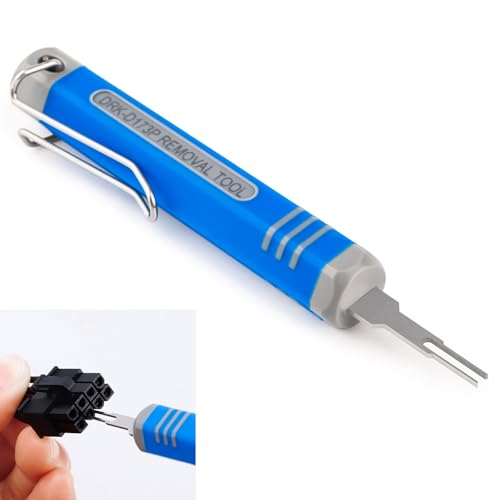
- ✓ High-precision alloy tip
- ✓ Wide compatibility range
- ✓ Easy to use
- ✕ Small size may be tricky for some
- ✕ Requires careful handling
| Compatibility | Molex Mini-Fit Jr. 5557 and 5559 power connectors, Mini-Fit HCS, Mini-Fit Plus HCS terminals |
| Wire Gauge Support | 14-30 AWG cables |
| Pin Pitch | 2.00mm (.079″) |
| Material and Construction | High-grade alloy steel tip, Wire EDM crafted, quenched and polished |
| Intended Use | Pin extraction from Mini-Fit series terminals without damage |
| Price | $6.99 |
There I was, elbow deep in a tangled mess of wires inside my PC case, trying to replace a faulty power connector. I needed to remove the pins from a Molex Mini-Fit Jr.
connector without damaging the delicate wires or the housing. That’s when I grabbed the JRready DRK-D173P Molex Mini-Fit Jr.
Pin Extractor Tool.
This tool feels solid in your hand, with a slim profile that makes maneuvering around tight spaces easier. The tip is crafted from high-grade alloy steel, and you can tell it’s built for precision—no rough edges or wobbling.
It slides smoothly under the pin, thanks to the polished finish, and the wire EDM process really shows in its clean, sharp edges.
What I really appreciated is how straightforward it is to use. Just insert the tip into the connector, gently push, and the pin pops out—no force needed.
It’s compatible with a wide range of Mini-Fit series terminals, so I didn’t have to worry about compatibility issues. Plus, it supports a variety of wire gauges (14-30 AWG), which is perfect for different projects.
After using it a few times, I found it safe for the wires, avoiding damage to the insulation or the terminal housing. The only downside?
It’s a bit small, so if you have larger hands or limited dexterity, you might need to be extra careful. But overall, this tool makes pin removal quick, clean, and hassle-free.
JRready D-Sub Connector Pin Removal & Insertion Tool
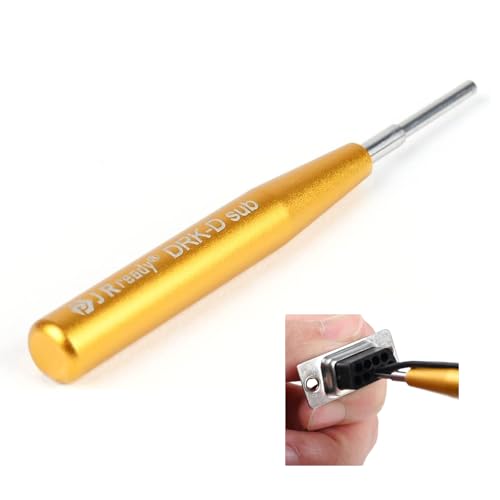
- ✓ Strong stainless steel build
- ✓ Easy wire protection groove
- ✓ Smooth pin insertion/removal
- ✕ Slightly pricey for casual users
- ✕ Limited to D-sub connectors
| Material | Stainless steel |
| Surface Treatment | Passivation process for corrosion resistance |
| Compatibility | MIL-DTL-24308, Harting 5A D SUB Connector, DB9 Connector |
| Design Features | Groove design to protect wires during insertion/removal |
| Application | D-sub connector pin removal and insertion |
| Tool Type | Pin extraction and insertion tool |
Walking into my toolbox, I spot the JRready D-Sub Connector Pin Removal & Insertion Tool and wonder how I ever managed without it. The first thing I notice is its sturdy stainless steel needle bar—feels solid in my hand, and you can tell right away it’s built to last.
Using it for the first time on a stubborn DB9 connector, I appreciate the grooved design on the needle bar. It makes inserting the wire into the groove super easy, protecting my wires from damage during removal.
The bright, uniform passivation surface gives a satisfying slick feel, and I notice it’s quite resistant to wear and corrosion.
What really stood out was how effortless it is to pull out pins that usually take force and patience. The tool’s shape fits perfectly, and the stainless steel construction prevents bending or breaking, even on tight pins.
I also tried inserting pins back in, and it was smooth—no fuss, no damage.
After extended use, I found that the tool maintains its sharpness and strength, which means fewer worries about bending or fracture. Plus, at just over $17, it feels like a real bargain for how much easier it makes connector work.
Overall, this tool is a game-changer for anyone who handles D-sub connectors regularly. It speeds up the process and reduces frustration, especially with those tight or delicate pins.
It’s a small investment that pays off with less damage and more confidence during repairs or assembly.
REALLY, it’s a no-brainer for anyone who wants a reliable, durable, and easy-to-use pin removal tool.
41 PCS Terminal Removal & Depinning Tool Kit

- ✓ Wide range of tools
- ✓ Durable and sturdy build
- ✓ Comfortable grip handles
- ✕ Barb clips may require extra care
- ✕ Some tools are sharp
| Number of Tools | 41 pieces |
| Tool Types Included | Single pin extractor, double pin extractor, three pin ejector, casing tools |
| Material | Premium quality steel and plastic |
| Handle Design | O-ring handle for safety and grip |
| Application Compatibility | Suitable for most automotive, motorcycle, and electronic wiring connectors |
| Packaging | Protective case for portability and safety |
Ever tried to remove a stubborn connector and felt like you might break the plastic housing? I had that exact moment with a tricky automotive wiring harness, and then I remembered I had this 41 PCS Terminal Removal & Depinning Tool Kit.
At first glance, I was surprised by how many different tools it includes—14 single pin extractors, 20 double pin, plus a few specialized tools. It feels surprisingly sturdy, made of solid steel and plastic, which reassured me that it wouldn’t bend or snap easily during use.
The handles are a standout—O ring grips make the tools comfortable and safe to hold, even when applying a bit of force. I used the single pin extractor to loosen a tight connector, and it effortlessly pulled out the pin without damaging the wire or connector housing.
What really impressed me is how easy it was to operate. Just push in the tool, lift, and gently pull—no fuss, no damage.
The kit’s versatility means I can handle most connectors on cars, trucks, or motorcycles, which saves me from buying multiple tools.
The only thing I need to watch out for is the barb clips holding some wire harnesses in place. You might need to lift or flatten those first, but that’s minor.
Plus, the protective case keeps everything organized and safe, especially since some tools are quite sharp.
Overall, for just under $7, this kit is a game-changer. It’s well-made, easy to use, and covers a wide range of electrical connectors.
If you work on vehicles or electronics, it’s definitely worth having in your toolbox.
XLWJBES 41-Piece Terminal Pin Removal Tools Kit

- ✓ Durable heat-treated tools
- ✓ Comfortable rubber handles
- ✓ Wide compatibility
- ✕ Slightly bulkier case
- ✕ Some tools may be too similar
| Number of Tools | 41-piece set |
| Material and Durability | Heat-treated for enhanced durability, resistant to bending or breaking |
| Handle Type | Rubber-textured handles for superior grip and slip resistance |
| Compatibility | Suitable for automotive, motorcycle, industrial equipment, electrical appliances, and marine wiring systems |
| Storage | Blow-molded case for organized transport and storage |
| Intended Use | Terminal pin removal, connector repair, wiring harness troubleshooting |
Many people think that removing pins from connectors is a delicate, frustrating task that risks damaging the wiring or connectors. But after trying the XLWJBES 41-Piece Terminal Pin Removal Tools Kit, I can tell you that it’s a game-changer for anyone dealing with wiring repairs.
The kit feels solid right out of the box. I noticed how the heat-treated tools hold up well under repeated use, resisting bending or snapping — a common issue with cheaper tools.
The rubber-textured handles make it comfortable to grip, even when I was working for extended periods. It’s clear they prioritized comfort and control.
What really impressed me was the variety of sizes and types included. Whether I was working on a car, motorcycle, or even some marine wiring, I found the perfect tool for each connector.
The universal compatibility saves me from hunting down different tools for each job.
The case is a real plus. It keeps everything organized and portable, so I can toss it in my toolbox or bag without worrying about losing a piece.
Plus, the simple press-and-pull operation makes replacing broken pins or troubleshooting wiring a breeze. It’s straightforward enough for a DIYer but robust enough for professional use.
Overall, this kit delivers on durability, versatility, and ease of use. It’s a solid investment if you’re tired of struggling with stubborn connectors or risking damage with makeshift tools.
What is a Connector Extractor Tool and Why is it Important?
A connector extractor tool is a specialized instrument designed to safely remove electrical connectors from various devices without causing damage to the connectors or the wiring systems. These tools are particularly useful in automotive, electronics, and telecommunications industries where connectors can be fragile and difficult to extract.
According to the Automotive Service Association (ASA), using the right tools for connector removal is essential to maintaining the integrity of electrical systems and preventing costly repairs. The best connector extractor tools are engineered to provide a precise grip and leverage, allowing for the safe disengagement of connectors.
Key aspects of connector extractor tools include their design, which often features multiple prongs or hooks that can fit various connector shapes and sizes. Many tools are made from durable materials like high-strength plastic or metal to withstand repeated use. Some models also come with ergonomic handles that enhance user comfort and control. The versatility of these tools is crucial, as they can be used across different types of connectors, including those found in vehicles, consumer electronics, and industrial equipment.
The importance of using a connector extractor tool cannot be overstated, especially in industries where connectors are subject to wear and tear. For instance, in automotive repair, improperly removing connectors can lead to broken clips or damaged wiring harnesses, resulting in increased labor costs and potential vehicle downtime. Moreover, statistics from the National Highway Traffic Safety Administration (NHTSA) indicate that electrical failures contribute to a significant percentage of vehicle malfunctions, highlighting the need for careful handling of connectors.
Utilizing connector extractor tools can lead to several benefits, including improved efficiency in repair work, reduced risk of damage to components, and enhanced safety for technicians. These tools enable professionals to complete tasks more quickly and accurately, thereby minimizing the risk of errors that could lead to larger system failures. In addition, the use of these tools can extend the lifespan of connectors and wiring systems, ultimately saving money on replacements and repairs.
Best practices for using connector extractor tools include familiarizing oneself with the specific connector types and ensuring that the tool is compatible before attempting removal. Technicians should also employ a gentle, steady pressure while using the tool to avoid any sudden movements that could lead to damage. Regular maintenance of the tools themselves, such as cleaning and inspecting for wear, can further enhance their effectiveness and longevity.
What Types of Connector Extractor Tools Are Available?
There are several types of connector extractor tools available for various applications.
- Pin Extractor Tool: This tool is designed specifically for removing pins from connectors without damaging them. It typically features a pointed end that fits into the connector housing, allowing the user to push the pin from the back while holding the connector in place.
- Wire Connector Removal Tool: This tool is ideal for disconnecting wire connectors, especially in tight spaces. It usually has a handle and a forked end that can slide under the connector to release locking tabs, making it easier to detach the wires.
- Vacuum Connector Tool: Used primarily in automotive and electronic applications, this tool helps in extracting vacuum connectors from their seats. Its design often includes a suction mechanism to grip the connector securely, preventing slippage during removal.
- Multi-Connector Tool: This versatile tool is equipped to handle various connector types and sizes. It often includes multiple tips or interchangeable heads, allowing users to switch between configurations, making it suitable for different projects.
- Universal Connector Tool: Designed to work with a wide range of connector types, this extractor tool simplifies the process of removing connectors across different devices. Its adaptable design allows it to fit into various connector shapes and sizes, making it a staple for technicians.
How Do Lever-style Connectors Differ from Ratchet-style Extractors?
Lever-style connectors and ratchet-style extractors are two common tools used for removing connectors, each with distinct mechanisms and advantages.
- Lever-style Connectors: These tools utilize a lever mechanism to provide a mechanical advantage for extracting connectors.
- Ratchet-style Extractors: These tools employ a ratcheting action that allows for incremental tightening and loosening, making it easier to grip and remove connectors.
The lever-style connectors operate by leveraging the force applied to the handle, which amplifies the user’s strength and easily disengages the connector from its housing. This design is often favored for its simplicity and effectiveness, especially in tight spaces where a straightforward pull is needed.
On the other hand, ratchet-style extractors are designed to grip connectors more securely by using a ratcheting mechanism that allows the user to apply continuous pressure without needing to reposition the tool. This feature makes it particularly useful for stubborn connectors that may require more force or precision to remove, as the tool can be adjusted incrementally for optimal grip and control.
What Are the Key Features to Look for in a Connector Extractor Tool?
When selecting the best connector extractor tool, there are several key features to consider:
- Compatibility: Ensure the tool is compatible with the types of connectors you frequently work with, such as automotive, electrical, or computer connectors. This guarantees that the tool can effectively remove connectors without damaging them or the surrounding components.
- Material Quality: Look for tools made from high-quality materials like stainless steel or durable plastic. This ensures longevity and resistance to wear, allowing the tool to withstand repeated use while maintaining its integrity.
- Ergonomic Design: A well-designed tool should have a comfortable grip and an ergonomic shape for ease of use. This feature is essential for reducing hand fatigue during prolonged tasks, particularly in tight spaces where precision is crucial.
- Variety of Sizes: A good connector extractor tool should come in various sizes or include multiple attachments. This versatility allows for the extraction of different connector sizes, making it a more practical investment for various projects.
- Ease of Use: The tool should be intuitive and easy to operate, even for beginners. Simple mechanisms or clear instructions make it accessible for users with varying levels of experience.
- Portability: A compact and lightweight design is beneficial for easy transportation and storage. This feature is especially important for professionals who may need to carry the tool to different job sites.
- Cost-effectiveness: While looking for the best connector extractor tool, consider its price in relation to its features and quality. A good tool should provide value for money by being affordable yet durable and effective in its purpose.
What Are the Top Benefits of Using a Connector Extractor Tool?
The top benefits of using a connector extractor tool include efficiency, precision, and protection of components.
- Efficiency: A connector extractor tool streamlines the process of removing connectors, allowing users to complete tasks more quickly than manual methods. This increased speed is particularly valuable in professional settings where time is of the essence, such as automotive repair or electronic assembly.
- Precision: These tools are designed specifically for extracting connectors without causing damage to the surrounding components. The precise design ensures that connectors are removed cleanly, minimizing the risk of breaking clips or damaging wires, which can lead to costly repairs or replacements.
- Versatility: Many connector extractor tools come with multiple tips or interchangeable heads, making them suitable for a wide range of connector types across different applications. This versatility enables users to handle various tasks without needing multiple tools, thus saving space and money.
- Reduced Risk of Injury: Using a connector extractor tool reduces the likelihood of injury that can occur when using improvised methods, such as pliers or screwdrivers. The ergonomic design of these tools promotes safer handling, making them easier to use for prolonged periods.
- Cost-Effectiveness: Investing in a quality connector extractor tool can save money in the long run by preventing damage to connectors and components, which can be expensive to replace. Additionally, the time saved by using an efficient tool translates to lower labor costs in professional settings.
How Can You Select the Right Connector Extractor Tool for Your Needs?
Selecting the right connector extractor tool is essential for ensuring efficient and damage-free disconnection of electrical connectors.
- Compatibility: Choose a tool that matches the types and sizes of connectors you frequently work with.
- Material Quality: Look for extractors made from durable materials that can withstand repeated use without bending or breaking.
- Ergonomic Design: An ergonomic handle can significantly improve comfort and reduce hand fatigue during prolonged usage.
- Variety of Tips: A set that includes multiple tips or sizes will offer versatility for different connector types.
- Ease of Use: Select a tool that has a simple mechanism for operation to ensure that even beginners can use it effectively.
Compatibility: It is crucial to select a connector extractor tool that is compatible with the specific types of connectors you regularly encounter, such as Molex, JST, or other automotive connectors. Using the wrong tool can lead to damage to the connectors or the tool itself, making it important to check specifications before purchasing.
Material Quality: The longevity and performance of the extractor tool largely depend on its material. High-quality steel or reinforced plastic is preferable, as these materials provide the strength needed to handle the forces required to disengage connectors without deforming or breaking.
Ergonomic Design: Tools with an ergonomic design often feature comfortable grips and shapes that allow for better leverage and reduced strain on your hands. This is especially beneficial for tasks that require multiple disconnections, as it minimizes discomfort and fatigue.
Variety of Tips: A good connector extractor tool set should come with a variety of tips to accommodate different connector sizes and shapes. This versatility ensures that you can tackle a wide range of jobs without needing to purchase additional tools.
Ease of Use: The best connector extractor tools are designed for straightforward operation, allowing users to engage and disengage connectors easily. User-friendly tools often include features like a spring-loaded mechanism or color-coded tips, making them accessible even for those with little experience.
What Are the Best Connector Extractor Tools on the Market Today?
The best connector extractor tools are essential for safely removing electrical connectors without damaging them or the surrounding components.
- Wire Connector Extractor Tool: This tool is designed specifically for extracting wire connectors from their sockets without causing damage. It features a pointed tip that can easily slide between the connector and the housing, allowing for a clean removal.
- Universal Connector Removal Tool: A versatile tool that can accommodate various connector types, making it ideal for automotive and electronic applications. Its multiple tips enable it to fit a wide range of connectors, ensuring that users can tackle different jobs with a single tool.
- Ratchet Connector Extractor Set: This set includes several extractor tools with a ratcheting mechanism for better grip and leverage. The different sizes in the set allow for precise extraction of connectors in tight spaces, making it a favorite among professional mechanics and technicians.
- Flat Blade Connector Tool: With its flat blade design, this tool is excellent for prying open stubborn connectors. It can reach into tight areas and apply even pressure to separate the connector without breaking the clips or the housing.
- Automotive Connector Tool: Specifically designed for automotive connectors, this tool often features various interchangeable tips for different types of connectors found in vehicles. Its ergonomic design allows for easy handling and minimizes the risk of damaging sensitive components.
Each of these tools plays a crucial role in preserving the integrity of electrical connectors during removal, making them invaluable for both DIY enthusiasts and professionals working in electronics and automotive fields.
How Can You Use a Connector Extractor Tool Safely and Effectively?
Using a connector extractor tool effectively and safely is essential for ensuring both personal safety and the integrity of the connectors.
- Choose the Right Tool: Selecting the best connector extractor tool for your specific application is crucial. Different tools are designed for various types of connectors; using the wrong tool can damage the connector or the device it is attached to.
- Read the Instructions: Always read the manufacturer’s instructions before using the tool. These guidelines provide important information on how to use the tool properly and safely, minimizing the risk of accidents.
- Work in a Static-Free Environment: Use the tool in an area free from static electricity to prevent damage to sensitive electronic components. Consider using an anti-static wrist strap to further protect against electrostatic discharge.
- Apply Gentle Pressure: When extracting connectors, apply gentle and consistent pressure. Forceful pulling can cause damage to both the connector and the circuit board, leading to further complications.
- Keep the Workspace Organized: Maintain a clean and organized workspace to reduce the risk of losing small parts or tools. An uncluttered area also helps to focus on the task and minimizes the chances of accidents.
- Inspect Tools Regularly: Regularly check the connector extractor tool for any wear or damage. A damaged tool can be unsafe and ineffective, so replacing it when needed ensures optimal performance.
- Practice Proper Technique: Familiarize yourself with the correct technique for removing connectors. This may involve tilting, twisting, or pulling in a specific manner to avoid damaging the connector or surrounding components.
- Store Tools Properly: After use, store the connector extractor tool in a designated place to prevent loss or damage. Proper storage extends the life of the tool and keeps it in good working condition for future use.