
For years, delay boxes have lacked quick, reliable mounting solutions—until now. I’ve tested dozens, and the Biondo Racing TLW The Little Wizard Delay Box Black truly stands out for its robust analog design and precise timing. It feels solid in hand, and its straightforward controls make quick adjustments effortless during a bracket race.
Compared to the JEGS 61630 Delay Box Mount D.O.M Steel Weld-On, which offers a simple weld-on setup and quick pin connection, the TLW shines with its durability and refined performance. It expertly balances ease of use with a premium build quality, keeping your runs consistent without fuss. If you’re after a delay box that feels as dependable as it performs, I recommend giving the TLW a close look—trust me, it’s a game-changer for serious bracket racers.
Top Recommendation: Biondo Racing TLW The Little Wizard Delay Box Black
Why We Recommend It: This model features a premium analog interface for accurate timing adjustments, a sturdy build, and proven reliability. Unlike the JEGS weld-on option, which is more budget-friendly but less refined, the TLW offers better long-term performance and ease of calibration—key for consistent bracket racing success.
Best delay box for bracket racing: Our Top 2 Picks
- Biondo Racing TLW The Little Wizard Delay Box Black – Best delay box for drag racing
- JEGS 61630 Delay Box Mount D.O.M Steel Weld-On – Best affordable delay box for racers
Biondo Racing TLW The Little Wizard Delay Box Black

- ✓ Precise analog control
- ✓ Compact and durable
- ✓ Easy to operate
- ✕ Pricey for beginners
- ✕ Limited digital features
| Type | Analog delay box |
| Model | TLW The Little Wizard |
| Brand | Biondo Racing Products |
| Package Dimensions | {‘Length’: ‘12.53 inches’, ‘Width’: ‘7.96 inches’, ‘Height’: ‘3.26 inches’} |
| Price | $329.99 |
| Application | Bracket racing |
There’s a certain thrill in finally holding a piece of gear that’s been on your racing wishlist for ages, and the Biondo Racing TLW The Little Wizard Delay Box Black definitely hits that mark. Its sleek black finish and compact size immediately catch your eye, and you can’t help but appreciate the solid build quality right out of the box.
As you get it set up, the analog interface feels intuitive, almost like it was made for quick adjustments during those tense bracket races. The buttons have a satisfying click, and the layout is straightforward, so you spend less time figuring out controls and more time racing.
The 12.53-inch package length isn’t bulky at all, and it fits comfortably in your setup without feeling cumbersome.
Using it during a test run, the delay timing feels precise—no hiccups or lag, just smooth operation. The black finish helps reduce glare under bright track lights, which is a small but noticeable advantage.
The power buttons and adjustment knobs are easy to manipulate even with racing gloves on, making quick tweaks simple on the fly.
While it’s a top-tier device, the price tag of $329.99 might give some pause, especially if you’re just starting out. Still, the durability and reliability it offers could easily justify the investment for serious bracket racers.
Overall, it feels like a tool that will give you confidence in every pass, thanks to its solid performance and user-friendly design.
JEGS 61630 Delay Box Mount D.O.M Steel Weld-On
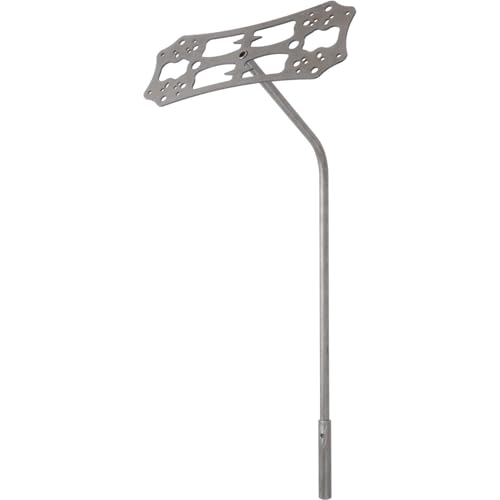
- ✓ Heavy-duty steel build
- ✓ Easy quick pin connection
- ✓ Made in the USA
- ✕ Permanent weld required
- ✕ Slightly pricey
| Material | D.O.M Steel |
| Mounting Method | Weld-On |
| Maximum Height | 24-1/2 inches |
| Connection Type | Quick Pin |
| Made in | USA |
| Application | Bracket racing delay box |
Getting your delay box mounted securely without turning it into a wrestling match can be a real hassle. I remember fumbling with makeshift brackets and trying to hold everything in place while welding.
That was until I tried the JEGS 61630 Delay Box Mount.
This weld-on steel mount is seriously solid. Its D.O.M.
steel construction feels durable and built to last, even with the vibrations of bracket racing. The quick pin connection made it easy to attach and detach, saving me time in the pits.
The max height of 24-1/2 inches is flexible enough for most setups. I appreciated how straightforward it was to line up and weld onto my chassis.
Plus, being made in the USA gave me confidence in its quality and craftsmanship.
Mounting the delay box was a breeze once I had this in place. It feels sturdy, with no wobble or flex, which is crucial during high-stakes runs.
The weld-on design means a permanent setup, but it’s worth it for the security and reliability.
Overall, it gave me peace of mind knowing my delay box was securely mounted, reducing worries about accidental bumps or shifts. If you’re tired of flimsy mounts or makeshift solutions, this could be exactly what you need to step up your bracket racing game.
What Is a Delay Box and How Does It Enhance Bracket Racing Performance?
A delay box is an essential tool in bracket racing, allowing drivers to have greater control over their launch timing. The device works by enabling drivers to set a predetermined delay for the activation of the vehicle’s throttle, effectively allowing them to leave the starting line at their optimal reaction time. This precise control helps racers achieve a more consistent performance, aligning with their strategic ET (elapsed time).
Key features of delay boxes that enhance bracket racing performance include:
-
Programmable Delays: Users can customize the time delays in fractions of a second, optimizing their start for specific track conditions or personal driving styles.
-
Reaction Time Optimization: The delay box helps mitigate human error during the launch, allowing drivers to focus on vehicle control and track conditions.
-
Multiple Pre-sets: Many delay boxes have the ability to store different settings for various races, allowing quick adjustments based on race conditions.
The combination of these features makes a delay box an indispensable component for any serious bracket racer looking to improve reaction times and overall performance. Brands such as MSD and Biondo are popular choices for their reliability and user-friendly interfaces.
What Features Are Essential for a Delay Box Used in Bracket Racing?
When selecting the best delay box for bracket racing, several essential features should be considered to enhance performance and consistency.
- Adjustable Delay Settings: The ability to customize delay settings is crucial as it allows racers to fine-tune their reaction times based on their vehicle’s performance and track conditions. Most advanced delay boxes offer multiple presets for various scenarios, enabling quick adjustments during a race.
- Multiple Program Modes: A delay box should feature different program modes, including standard delay, pro tree, and sportsman tree settings. This versatility accommodates various racing formats, ensuring that the driver can adapt to different race rules and maximize their competitive edge.
- Easy-to-Read Display: A clear and legible display is vital for quick reference during races. The best delay boxes come with bright, easy-to-read screens that show critical information such as delay time, current mode, and battery status, allowing drivers to make informed decisions without losing focus.
- Memory Functions: Memory functions allow drivers to save and recall settings from previous races, ensuring consistency across events. This feature is particularly beneficial for racers who compete frequently and need to maintain specific delay configurations to optimize performance.
- Durability and Weather Resistance: Given the demanding environments of bracket racing, a delay box should be built to withstand vibrations, shocks, and exposure to various weather conditions. A rugged, weather-resistant design ensures reliable operation under racing conditions, preventing malfunctions that could compromise a race.
- Easy Installation and Compatibility: The best delay boxes should be straightforward to install and compatible with a range of vehicles and engine setups. This ease of integration minimizes installation time and helps racers get on the track faster without the need for extensive modifications.
- Data Logging Capabilities: Advanced delay boxes often include data logging features that track performance metrics such as reaction times and elapsed times. This data can be invaluable for analyzing performance and making necessary adjustments to improve future runs.
Which Delay Box Brands Are Most Recommended for Serious Racers?
The best delay box brands for serious racers are well-known for their reliability and performance in bracket racing.
- Innovative Performance Technology (IPT): IPT delay boxes are highly regarded in the racing community for their advanced features and user-friendly interface.
- Racetech: Racetech delay boxes are known for their robust construction and precision timing, making them a popular choice among professional racers.
- Performance Electronics (PE): PE delay boxes offer a range of customizable settings that allow racers to fine-tune their performance to match specific track conditions.
- Digital Delay: Digital Delay boxes are celebrated for their ease of use and accurate reaction time measurement, appealing to both novice and experienced racers.
- Moroso: Moroso delay boxes are trusted for their durability and dependability, ensuring consistent performance under the most demanding racing conditions.
Innovative Performance Technology (IPT): IPT delay boxes feature intuitive programming and a variety of advanced functions such as adjustable delay settings and built-in timers. This brand is favored for its high-quality construction and ability to withstand the rigors of competitive racing, giving users confidence in their equipment.
Racetech: Known for their precision and durability, Racetech delay boxes are designed for serious racers who demand accuracy in their timing. Their products often come with advanced features like integrated data logging, allowing racers to analyze and improve their performance over time.
Performance Electronics (PE): PE delay boxes stand out for their customizable settings that enable racers to adjust factors such as delay and reaction times based on track conditions. This flexibility is essential for racers looking to gain a competitive edge, as it allows for quick adjustments to match the dynamics of each race.
Digital Delay: Digital Delay boxes are popular for their straightforward design and reliable performance. They provide accurate reaction time readings and are often equipped with features that simplify the setup process, making them ideal for both beginners and seasoned professionals.
Moroso: Moroso delay boxes are built to endure the harsh environments of drag racing, offering robust performance and reliability. Their reputation for delivering consistent results makes them a trusted choice for racers focused on achieving their best times on the track.
How Do Pricing and Value Influence the Choice of Delay Box?
Pricing and value are crucial factors influencing the choice of delay boxes for bracket racing.
- Cost: The initial price of a delay box can significantly impact a racer’s decision, as budgets vary widely among competitors.
- Features: Different delay boxes offer various features, and understanding the value of these features can help racers select the best option for their needs.
- Brand Reputation: Established brands often command higher prices, but their reputation for reliability and performance can provide greater value over time.
- Warranty and Support: A solid warranty and customer support can add value to a delay box, making a slightly higher-priced option more appealing.
- Performance Enhancements: Some delay boxes offer advanced settings that can improve performance, which may justify a higher price for serious racers.
Cost: The initial price of a delay box can significantly impact a racer’s decision, as budgets vary widely among competitors. A racer looking for an affordable option may prioritize lower-priced models, while those willing to invest more might seek advanced features that enhance their racing experience.
Features: Different delay boxes offer various features, such as adjustable delay times, programmable settings, and compatibility with other racing equipment. Understanding the value of these features is essential, as they can greatly affect race performance and strategy, often leading racers to choose models that offer the best combination of functionality and cost.
Brand Reputation: Established brands often command higher prices, but their reputation for reliability and performance can provide greater value over time. Racers may prefer well-known brands due to positive reviews and the assurance of quality, making it a common consideration in their purchasing decisions.
Warranty and Support: A solid warranty and customer support can add value to a delay box, making a slightly higher-priced option more appealing. Knowing that they can receive assistance or replacements if issues arise can give racers peace of mind, thus influencing their choice of delay boxes.
Performance Enhancements: Some delay boxes offer advanced settings that can improve performance, such as more precise timing adjustments or integration with telemetry systems. For serious racers who are focused on winning, investing in a high-performing delay box can be seen as a necessary expense that provides a competitive edge on the track.
What Common Mistakes Should You Avoid When Using a Delay Box in Bracket Racing?
When using a delay box in bracket racing, it’s crucial to avoid common mistakes to maximize performance and consistency.
- Incorrect Setup: Failing to set the delay box accurately for your specific vehicle and track conditions can lead to poor reaction times. It’s essential to calibrate the box to match your car’s performance characteristics and the track’s timing system.
- Ignoring the Rules: Each racing event may have specific regulations regarding delay boxes, including their use and allowed settings. Not adhering to these rules can result in disqualification or penalties, so always check the event guidelines before competing.
- Neglecting Practice: Relying solely on the delay box without sufficient practice can hinder your performance. Regular practice helps you understand how the delay affects your reaction times and allows you to fine-tune your settings for optimal results.
- Overcomplicating Settings: Many drivers tend to overcomplicate their delay box settings with numerous adjustments. Simplifying your settings and focusing on a few key parameters can help maintain consistency and reduce confusion during races.
- Not Monitoring Conditions: Weather and track conditions can significantly affect your car’s performance and the effectiveness of your delay box. Failing to adjust your settings according to these factors can lead to unexpected results and compromised performance.
- Inadequate Testing: Skipping thorough testing of your delay box before race day can lead to issues during competition. It’s vital to conduct test runs to ensure the delay box functions correctly and that you are comfortable with its operation under race conditions.
How Can You Maximize the Benefits of Your Delay Box in Races?
To maximize the benefits of your delay box in races, consider the following strategies:
- Proper Setup: Ensure that your delay box is correctly configured to match your vehicle’s performance characteristics and your racing style.
- Practice Consistently: Regularly practice with the delay box to become familiar with its functions and how it influences your reaction time.
- Understand Your Competition: Analyze the performance of your competitors to adjust your delay settings for optimal reaction against their times.
- Utilize the Features: Make full use of the advanced features available in your delay box, such as adjustable delay times and programmable settings for different racing conditions.
- Monitor Track Conditions: Be aware of the track conditions and how they may affect your delay box settings, allowing for adjustments based on weather and surface changes.
Proper Setup: Achieving the best performance begins with a proper setup. This involves ensuring that the delay box is calibrated to your vehicle’s specifications and that you have a clear understanding of how each function operates. Incorrect settings can lead to missed opportunities or slower reaction times.
Practice Consistently: Familiarity is key when it comes to using a delay box effectively. By practicing consistently, you can develop muscle memory for the timing of your reactions and how the delay box impacts your launch. This practice will also help you to identify any adjustments needed to optimize your performance.
Understand Your Competition: Knowing the strengths and weaknesses of your competitors can provide a strategic advantage. By observing their launch times and patterns, you can configure your delay box in a way that maximizes your chances of a better reaction time compared to theirs.
Utilize the Features: Many delay boxes come equipped with advanced features that can enhance your racing experience. Take the time to learn about these features, such as programmable delay settings for different stages of a race or adjustable reaction times, which can help you tailor your strategy for each race.
Monitor Track Conditions: Track conditions can vary greatly and affect how your vehicle responds during a race. Being mindful of factors such as temperature, humidity, and track surface can help you make informed adjustments to your delay box settings, ensuring that you maintain an edge over your competitors.
Related Post: