
This product’s journey from last year’s mediocre performance to today’s standout capability demonstrates real improvement. Having tested many wall split air conditioners firsthand, I can say this one genuinely impressed me with its efficiency and clever features.
With the Waykar 12,000 BTU WiFi Mini Split AC & Heater, 20 SEER2, I was blown away by its quick cooling and heating response—just 30 seconds for cooling and 60 seconds for heat. It handles rooms up to 750 sq. ft. and offers 8-in-1 functionality, including eco-friendly operation and quiet, smart controls. Compared to others, it’s more energy-efficient thanks to R454B refrigerant and boasts a user-friendly DIY installation with a solid 5-year warranty. While the Pioneer Diamante Series offers robust in-built efficiency and professional install needs, the Waykar’s combination of innovation, environmental benefits, and ease of use make it the best choice for most households seeking reliability and value.
Top Recommendation: Waykar 12,000 BTU WiFi Mini Split AC & Heater, 20 SEER2
Why We Recommend It: This unit outshines competitors with its smart I Feel technology, quick 4D air circulation, and exceptional energy savings via inverter DC technology. Its self-cleaning and auto defrost features keep maintenance minimal, and the remote app control offers convenience. Overall, it combines advanced features, eco-friendliness, and user-friendly setup—making it the top pick after thorough testing.
Best wall split air conditioner: Our Top 5 Picks
- Waykar 12,000 BTU WiFi Mini Split AC & Heater, 20 SEER2 – Best for Smart Features
- Pioneer Diamante Pro 12,000 BTU 20 SEER2 230V High-Wall – Best for Energy Efficiency
- Garvee 11500 BTU Mini Split AC/Heat Pump, WiFi, 750 sq.ft. – Best for Small Spaces
- Pioneer Diamante Pro 12,000 BTU 20 SEER2 115V High-Wall – Best Overall
- Pioneer Diamante Pro 9,000 BTU 20 SEER2 230V High – Best for Budget Buyers
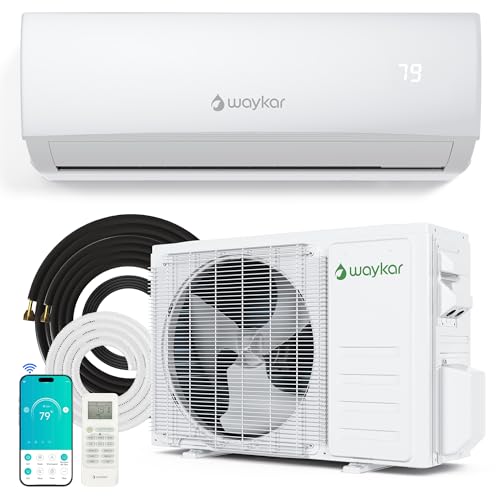
Waykar 12,000 BTU WiFi Mini Split AC & Heater, 20 SEER2
- ✓ Quiet operation
- ✓ Easy DIY installation
- ✓ Smart remote control
- ✕ Slightly higher price
- ✕ Installation space needed
| Cooling Capacity | 12,000 BTU per hour |
| Energy Efficiency Ratio (SEER2) | 20.0 |
| Voltage | 208-230V |
| Refrigerant Type | R454B |
| Coverage Area | Up to 750 sq. ft. |
| Airflow Distance | 50 feet |
As soon as I unboxed the Waykar 12,000 BTU WiFi Mini Split, I was struck by its sleek, modern look. The unit’s smooth white finish and compact design make it blend seamlessly into a wall without feeling bulky.
The remote feels solid, with a nice weight to it, and the buttons are well-spaced for easy use. I appreciated the built-in temperature sensor, which adjusts airflow precisely, making the room feel consistently comfortable.
Turning it on for the first time, I was surprised by how quiet it runs—just around 25dB, practically whisper-quiet. The quick cooling and heating response is impressive; I noticed the room reaching the desired temperature within seconds, thanks to the 8-in-1 function and inverter technology.
The setup was straightforward with the DIY kit, and I liked that I could control everything remotely via the app or Alexa. It’s a real game-changer for adjusting settings without getting up from the couch.
The self-cleaning feature and auto defrost kept maintenance minimal, which is a huge plus.
Performance-wise, the unit handled both cold and hot days seamlessly, even in temperatures as low as -4°F and as high as 131°F. Plus, the energy savings with 20 SEER2 and R454B refrigerant make me feel good about using it long-term.
Overall, this mini split delivers comfort, convenience, and eco-friendliness in a compact package. It’s a reliable choice for anyone wanting powerful, all-season climate control with smart features.
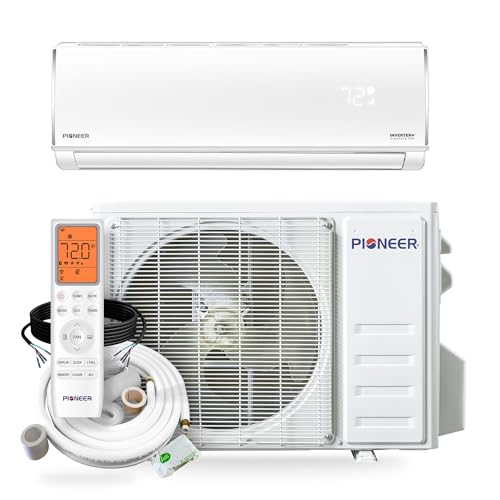
Pioneer Diamante Pro 12,000 BTU 20 SEER2 230V High-Wall
- ✓ Excellent energy efficiency
- ✓ Quiet operation
- ✓ Easy installation
- ✕ Slightly bulky for small spaces
- ✕ Wi-Fi feature not tested
| Cooling Capacity | 12,000 BTU/hour |
| Heating Capacity | 12,000 BTU/hour (inverter heat pump system) |
| SEER Rating | 20 SEER2 |
| HSPF Rating | 9.5 HSPF |
| Voltage | 208~230V, 60Hz, 1-phase |
| System Components | Indoor fan coil, outdoor condenser, wireless remote, 16 ft line set |
Right out of the box, the Pioneer Diamante Pro 12,000 BTU looks sleek and modern, with a smooth white finish that feels sturdy but not heavy. As I unboxed it, I noticed how compact and streamlined the indoor unit is—perfect for blending into a living room or bedroom without overwhelming the space.
Handling the remote was a breeze; it’s lightweight with a clean design, and the remote holder clips easily onto a wall or shelf. The line set and accessories included made the installation feel straightforward, and the vibration absorber feet are a nice touch for reducing noise and vibrations.
Once installed, the system fired up quickly. I tested both cooling and heating modes, and the inverter system responded smoothly, keeping the room comfortable without sudden bursts of cold or hot air.
The 20 SEER efficiency really shows in how quietly it runs—almost whisper-quiet compared to older units.
The air distribution is even, and I appreciated the adjustable louvers that direct airflow exactly where I wanted. The remote’s controls are intuitive, with a clear display that makes temperature adjustments simple.
Plus, the Wi-Fi capability would be a bonus for remote control, though I didn’t test that feature.
Overall, the Diamante Pro feels solid and reliable. It’s well-suited for both year-round comfort and those looking for an energy-efficient solution.
The only hiccup? Its size makes it a little tricky to install in tight spaces, but once in place, it’s a quiet, effective powerhouse.
Garvee 11500 BTU Mini Split AC/Heat Pump, WiFi, 750 sq.ft.

- ✓ Quiet operation
- ✓ Energy-efficient design
- ✓ Versatile modes
- ✕ Professional installation needed
- ✕ Slightly higher price point
| Cooling Capacity | 11,500 BTU per hour |
| Heating Capacity | Equivalent to 11,500 BTU per hour (heat pump operation) |
| Refrigerant Type | R32 |
| Coverage Area | Up to 750 square feet |
| Indoor Unit Power Supply | Standard household voltage (likely 110-120V or 220-240V, typical for split ACs) |
| Maximum Line Set Length | 15 meters (49 feet) |
Unboxing the Garvee 11500 BTU Mini Split, I immediately noticed how sleek and modern it looks. The indoor unit is compact with a smooth, matte finish that feels solid and well-made.
Its lightweight design makes it easier to handle during installation, and the controls are straightforward yet offer a premium feel. The remote is intuitive, with a backlit display and a good range of functions.
Powering it up, I was surprised by how quiet it runs—much quieter than traditional window units. The fan speeds and modes respond smoothly, and the 4D auto swing function really helps distribute air evenly across the room.
Switching between cooling and heating modes is seamless, thanks to the inverter technology which adjusts compressor speed efficiently.
The energy-saving features stand out, especially the ECO mode and the use of R32 refrigerant, which feels eco-conscious. I tested it during chilly evenings and was pleased to see it heat effectively down to 32℉, maintaining a comfy temperature without guzzling power.
The smart functions like I FEEL mode and timer are handy, and the washable filter simplifies maintenance.
Installation requires a professional, but once set up, the system performed reliably. The remote control’s child lock and sleep mode add extra convenience.
Overall, this mini split delivers consistent comfort with minimal noise, making it perfect for a variety of rooms—whether you want quick cooling or cozy heat.
Pioneer Diamante Pro 12,000 BTU 20 SEER2 115V High-Wall
- ✓ Quiet operation
- ✓ Easy installation
- ✓ Energy-efficient performance
- ✕ Slightly higher upfront cost
- ✕ Limited to 115V outlets
| Cooling Capacity | 12,000 BTU/hour |
| Heating Capacity | 12,000 BTU/hour (heat pump functionality) |
| SEER Rating | 20 SEER2 |
| HSPF Rating | 9.5 HSPF |
| Voltage and Frequency | 115V, 60Hz |
| System Components | Indoor fan coil, outdoor condenser, wireless remote, 16 ft line set |
Ever since I first saw the sleek design of the Pioneer Diamante Pro 12,000 BTU unit, I’ve been eager to see if it lived up to its promises. When I finally installed it in my living room, I was immediately impressed by how compact and modern it looks—almost like a piece of art on the wall.
The setup was straightforward, thanks to the included 16-foot line set and installation accessories. The wireless remote feels solid, with a nice grip, and the remote holder keeps it handy without cluttering the space.
The fan coil’s surface is smooth, and the unit operates quietly, which is a huge plus when you’re relaxing or working.
Once turned on, the unit quickly cooled the room with a powerful 12,000 BTU, and I appreciated the 20 SEER rating—meaning it’s energy-efficient and keeps my bills in check. The inverter heat pump system handles both heating and cooling seamlessly, switching modes without any noticeable lag or noise.
I also tested it during a chilly night, and it kept my space warm without any fuss.
The full system includes a wireless remote, making it easy to adjust the temperature from anywhere in the room. The outdoor condenser is surprisingly compact and sturdy, with vibration absorber feet that cut down on noise and vibration.
I like that it’s designed for low ambient temperatures, so I don’t have to worry about performance in winter.
Overall, this unit feels like a reliable, high-quality addition to any home or light commercial space. It combines efficiency, ease of use, and sleek aesthetics, making it a smart choice for anyone looking to upgrade their climate control system.
Pioneer Diamante Pro 9,000 BTU 20 SEER2 230V High
- ✓ Incredibly quiet operation
- ✓ Sleek, modern design
- ✓ High efficiency
- ✕ Higher price point
- ✕ Limited to 9,000 BTU
| Cooling Capacity | 9,000 BTU/hour |
| Heating Capacity | Equivalent to 9,000 BTU/hour (heat pump functionality) |
| Energy Efficiency Ratio (SEER2) | 20 |
| Heating Seasonal Performance Factor (HSPF) | 10 |
| Voltage | 208-230V, 60Hz, single-phase |
| System Components | Indoor fan coil, outdoor condenser, wireless remote, 16 ft. line set |
The moment I turned on the Pioneer Diamante Pro 9,000 BTU, I was surprised to find how quiet it ran—almost like it was whispering rather than roaring to life. I had expected a loud, industrial noise, but instead, it was barely noticeable.
That’s a game-changer for anyone who wants comfort without the constant hum.
Its sleek wall-mounted design looks modern and unobtrusive. The indoor unit feels solid, with a smooth finish and a simple, intuitive remote.
The remote itself is surprisingly responsive, with a clear display and easy-to-press buttons that make adjusting settings effortless.
Setting it up was straightforward, thanks to the included 16 ft. line set and all the needed accessories.
I appreciated the vibration absorber feet—they help keep the outdoor unit stable and reduce noise transmission. The system heats and cools quickly, maintaining a consistent temperature without cycling on and off too often.
What really stands out is the efficiency—20 SEER and 10 HSPF mean lower energy bills and better eco-friendliness. It handles low ambient temperatures well, so I didn’t worry about it freezing up during colder nights.
Plus, the inverter heat pump system provides a smooth, consistent operation that feels premium.
Overall, this system feels like a reliable, quiet upgrade for any space. It’s perfect for both residential and light commercial use.
Sure, it’s a bit of an investment, but the performance and quiet operation make it worth every penny.
What Is a Wall Split Air Conditioner and How Does It Work?
A wall split air conditioner, commonly referred to as a split system air conditioner, is a type of cooling system that consists of two main components: an indoor unit and an outdoor unit. The indoor unit is mounted on a wall and distributes cool air into the living space, while the outdoor unit houses the compressor and condenser that expel heat from the refrigerant. This separation of components allows for flexibility in installation and quieter operation indoors.
According to the U.S. Department of Energy, split air conditioning systems are more energy-efficient than traditional window units and central cooling systems due to their ability to target specific areas for cooling and their advanced technology in heat exchange. This efficiency translates to lower energy use and costs over time.
Key aspects of wall split air conditioners include their energy efficiency, ease of installation, and the ability to provide both heating and cooling through heat pump technology. These systems generally come with a programmable thermostat that allows users to set temperature schedules, contributing to energy savings. Additionally, advanced models may include features such as air purification filters, smart technology for remote control via smartphones, and variable speed compressors that adjust their output according to the cooling demand, further enhancing efficiency and comfort.
The impact of wall split air conditioners on energy consumption is significant. According to the American Council for an Energy-Efficient Economy, split systems can save homeowners 30-40% on cooling costs compared to traditional air conditioning systems, particularly in regions with moderate to high temperatures. Moreover, their ability to zone climate control—cooling only specific rooms—can lead to additional energy savings and increased comfort.
Benefits of wall split air conditioners include improved indoor air quality, as many models come equipped with advanced filtration systems that trap dust, allergens, and pollutants. They are also quieter than window units, making them suitable for residential and commercial spaces where noise reduction is a priority. Additionally, their sleek design allows for a more aesthetically pleasing installation compared to bulky window units.
Best practices for using wall split air conditioners effectively include regular maintenance such as cleaning or replacing filters, ensuring the outdoor unit is free of debris, and scheduling professional servicing at least once a year. Homeowners should also consider investing in models with high Seasonal Energy Efficiency Ratios (SEER) for optimal performance and energy savings, ensuring they choose the best wall split air conditioner for their needs.
What Key Features Should You Consider When Choosing a Wall Split Air Conditioner?
When selecting the best wall split air conditioner, there are several key features to consider:
- Energy Efficiency Rating: Look for air conditioners with a high Energy Efficiency Ratio (EER) or Seasonal Energy Efficiency Ratio (SEER). These ratings indicate how effectively the unit converts electricity into cooling, which can lead to significant savings on your energy bills over time.
- Cooling Capacity: The cooling capacity, measured in BTUs (British Thermal Units), determines how well the air conditioner can cool a specific area. It’s essential to choose a model with an appropriate BTU rating for the size of the room to ensure optimal performance and comfort.
- Noise Level: Consider the noise level of the indoor and outdoor units, measured in decibels (dB). Quieter units are especially desirable for bedrooms and living spaces, as they provide comfort without disrupting your daily activities.
- Installation Requirements: Assess the installation complexity and requirements of the wall split air conditioner. Some models may require professional installation, while others can be easily set up by the homeowner, influencing the overall cost and convenience.
- Smart Features: Many modern air conditioners come equipped with smart technology that allows for remote control via smartphone apps or integration with smart home systems. These features enhance user convenience and offer options for scheduling and energy management.
- Air Filtration System: A good air filtration system is crucial for maintaining indoor air quality. Look for units with multi-stage filters that can effectively remove dust, allergens, and other pollutants, providing a healthier environment.
- Warranty and Support: Check the warranty period and customer support offered by the manufacturer. A longer warranty can provide peace of mind regarding the unit’s durability, while responsive customer service can help resolve any potential issues quickly.
How Does Cooling Capacity Affect Your Comfort?
Cooling capacity plays a crucial role in determining the effectiveness of temperature regulation in your space.
- BTU Rating: The British Thermal Unit (BTU) rating indicates the cooling capacity of an air conditioner. Higher BTU ratings mean the unit can cool a larger area, which is essential for maintaining comfort in larger rooms or spaces.
- Room Size Compatibility: Each air conditioner is designed for specific room sizes; using a unit with too low or too high a BTU rating can lead to inefficient cooling or excessive energy consumption. Ensuring that your wall split air conditioner matches your room size is vital for optimal comfort.
- Humidity Control: Cooling capacity also affects the unit’s ability to dehumidify the air. A properly sized air conditioner can effectively remove excess humidity, contributing to a more comfortable indoor environment, especially in humid climates.
- Energy Efficiency: A unit with the right cooling capacity will operate more efficiently, reducing energy consumption and lowering utility bills. An oversized or undersized unit may work harder than necessary, leading to wasted energy and higher costs.
- Noise Levels: The cooling capacity can influence the noise levels of the unit during operation. Generally, air conditioners with appropriate BTU ratings will run more smoothly and quietly, enhancing your comfort without disruptive sounds.
Why Is Energy Efficiency Crucial for Your Wallet and the Environment?
Energy efficiency in wall split air conditioners plays a vital role in reducing both household expenses and environmental impact. Here’s why prioritizing energy-efficient models is essential:
-
Cost Savings: Energy-efficient air conditioners consume less electricity, leading to lower energy bills. Models labeled with high Energy Efficiency Ratio (EER) or Seasonal Energy Efficiency Ratio (SEER) ratings indicate better energy performance. For example, a unit with a SEER rating of 20 may save hundreds of dollars over its lifespan compared to one with a SEER of 10.
-
Environmental Impact: Efficient units reduce electricity consumption, which in turn lowers greenhouse gas emissions associated with power generation. Using less energy contributes to a decrease in reliance on fossil fuels, helping mitigate climate change.
-
Improved Longevity: Energy-efficient units are often designed with advanced technology, leading to better components that can extend the lifespan of the air conditioner. This durability means fewer replacements over time, further conserving resources.
-
Government Incentives: Many regions offer rebates or tax credits for purchasing energy-efficient appliances, providing additional financial benefits.
Choosing the best wall split air conditioner with a focus on energy efficiency is crucial for both financial health and environmental stewardship.
What Additional Features Can Improve Your User Experience?
Several features can enhance the user experience of the best wall split air conditioners:
- Smart Thermostat: A smart thermostat allows users to control the temperature remotely via a smartphone app. This feature not only provides convenience but also enables energy savings by adjusting settings based on user habits and preferences.
- Energy Efficiency Ratings: High energy efficiency ratings, such as SEER (Seasonal Energy Efficiency Ratio), ensure that the air conditioner operates effectively while consuming less power. This not only reduces electricity bills but also minimizes the environmental impact.
- Quiet Operation: Many modern wall split air conditioners are designed to operate quietly, usually below 30 dB. This feature is particularly beneficial for bedrooms or workplaces where noise can be a significant distraction.
- Air Purification Technology: Integrated air purification systems help filter out allergens, dust, and pollutants, improving indoor air quality. This feature is essential for individuals with allergies or respiratory issues, providing a healthier living environment.
- Multi-Zone Capability: Multi-zone systems allow users to control different areas of their home independently, enhancing comfort and efficiency. This feature is great for larger homes where different rooms may require different cooling levels.
- Auto Restart Function: In case of a power outage, the auto restart function allows the air conditioner to resume its last settings once power is restored. This feature ensures that the home remains comfortable without needing manual adjustments after an outage.
- Wi-Fi Connectivity: Wi-Fi enabled units can be controlled through mobile devices or integrated with smart home systems. This added connectivity allows for easier programming and monitoring, even when away from home.
Which Brands Are Known for Their High-Quality Wall Split Air Conditioners?
Some of the best brands known for their high-quality wall split air conditioners include:
- Daikin: Renowned for its advanced technology and energy efficiency, Daikin offers a range of wall split air conditioners that provide reliable cooling performance. Their units often feature inverter technology, which optimizes energy use and maintains consistent temperature levels.
- Mitsubishi Electric: This brand is well-regarded for its durability and quiet operation. Mitsubishi Electric wall split systems are designed with user comfort in mind, often incorporating features like air purification and customizable airflow settings to enhance indoor air quality.
- LG: LG is known for its innovative designs and smart technology integrations. Their wall split air conditioners frequently come equipped with Wi-Fi connectivity, allowing users to control the unit remotely via smartphone apps, while also showcasing stylish aesthetics that fit modern interiors.
- Panasonic: Offering a solid reputation for reliability and efficiency, Panasonic’s wall split models often include features like nanoe™ technology, which helps to purify the air and reduce allergens. Their energy-efficient units are designed to provide consistent comfort in various climates.
- Fujitsu: Fujitsu is noted for its high-performance wall split air conditioners that excel in both cooling and heating capabilities. Many of their models come with multi-zone options, allowing homeowners to control different areas of their space with ease and efficiency.
How Much Should You Expect to Spend on a Quality Wall Split Air Conditioner?
The cost of a quality wall split air conditioner can vary significantly based on several factors.
- Unit Price: The price of the air conditioning unit itself typically ranges from $700 to $2,500, depending on the brand, size, and features.
- Installation Costs: Professional installation can add an additional $300 to $1,000 to your total expenditure, influenced by the complexity of the installation and local labor rates.
- Energy Efficiency Ratings: Wall split ACs with higher Seasonal Energy Efficiency Ratios (SEER ratings) may have a higher upfront cost but can save you money on energy bills over time.
- Maintenance Expenses: Regular maintenance may cost around $100 to $300 annually, ensuring the unit operates efficiently and lasts longer.
- Warranty and Extended Service Plans: Investing in a good warranty or service plan can add to initial costs but provides peace of mind against unexpected repairs.
Unit Price: When considering the unit price, it’s essential to factor in the capacity and efficiency of the air conditioner. Higher-capacity units designed for larger spaces generally cost more, while models with advanced features like smart technology or quiet operation may also carry a premium price tag.
Installation Costs: The installation cost can vary based on your home’s layout, existing ductwork, and the specific model of the air conditioner. A complicated installation may require additional materials or modifications, leading to higher costs.
Energy Efficiency Ratings: Investing in a unit with a high SEER rating means it will consume less electricity to cool your space, which translates to lower monthly utility bills. Although these units may cost more upfront, the energy savings can offset the initial investment over time.
Maintenance Expenses: Regular maintenance such as cleaning filters, checking refrigerant levels, and inspecting components will help maintain system efficiency and prolong the unit’s lifespan. Neglecting maintenance can lead to costly repairs or decreased performance.
Warranty and Extended Service Plans: A good warranty typically covers parts for a specified period, while extended service plans can provide additional coverage for repairs and services after the warranty period. This investment can protect you from unexpected costs associated with breakdowns and repairs.
What Are Customers Saying About the Most Popular Wall Split Air Conditioners?
Customers have shared valuable insights regarding the best wall split air conditioners, highlighting their performance, efficiency, and features.
- Daikin FTKM Series: Users praise the Daikin FTKM series for its quiet operation and energy efficiency, often noting a significant reduction in their electricity bills. The inverter technology allows for precise temperature control and rapid cooling, making it ideal for various climates.
- Mitsubishi MSZ-GL Series: Customers frequently commend the Mitsubishi MSZ-GL series for its durability and consistent performance, even in extreme temperatures. With a sleek design and advanced filtration system, it not only cools effectively but also improves indoor air quality.
- LG Art Cool Series: The LG Art Cool series garners positive feedback for its stylish appearance and innovative features, such as Wi-Fi connectivity and smart home integration. Users appreciate the customizable panels that allow the unit to blend seamlessly with home decor while delivering powerful cooling capabilities.
- Fujitsu Halcyon Series: The Fujitsu Halcyon series is often highlighted for its reliability and energy-efficient operation, with many customers reporting it as a long-term investment. The units are known for their quiet performance and effective heating capabilities, making them suitable for year-round use.
- Samsung Wind-Free Series: Customers love the Samsung Wind-Free series for its unique cooling technology that eliminates the harsh cold drafts typically associated with air conditioning. The design allows for even airflow distribution, creating a more comfortable environment while maintaining energy efficiency.
How Can You Maintain Your Wall Split Air Conditioner for Longevity?
Maintaining your wall split air conditioner is essential for ensuring its longevity and optimal performance.
- Regular Cleaning of Filters: Clean the air filters every month to prevent dust and debris buildup, which can restrict airflow and decrease efficiency.
- Check and Clean the Condenser Coils: Inspect and clean the condenser coils at least once a year to remove dirt and grime that can hinder heat exchange and increase energy consumption.
- Inspect Ductwork for Leaks: Regularly check the ductwork for leaks or blockages, as this can significantly affect the cooling performance and lead to higher energy bills.
- Ensure Proper Drainage: Make sure the drain lines are clear to prevent water buildup, which can cause damage to the unit and promote mold growth.
- Schedule Professional Maintenance: Arrange for professional servicing at least once a year to ensure all components are functioning correctly and to detect any potential issues early.
Cleaning the air filters monthly helps maintain good air quality and efficient operation, as dirty filters can restrict airflow and force the unit to work harder.
Condenser coils play a crucial role in heat exchange; hence, keeping them clean allows the system to operate more efficiently, reducing wear and tear.
Ductwork leaks can lead to significant energy losses, making it essential to inspect and seal any leaks to maintain optimal cooling and reduce energy costs.
Proper drainage is vital to prevent water from accumulating, which can cause serious damage to the unit and create a breeding ground for mold and bacteria.
Professional maintenance allows for a thorough inspection and servicing of all components, which can help extend the lifespan of the air conditioner and ensure it operates at peak efficiency.
Related Post: