
As summer heats up, I’ve found that having a reliable, energy-efficient air conditioner is a game-changer. I spent time testing several units, from the ultra-quiet GE Profile ClearView 12,200 BTU Inverter Window AC to the compact Della 5000 BTU Smart Window Air Conditioner. The GE impressed me with its inverter technology that operates quietly while saving 34% more energy, plus its full window view and WiFi control make it feel built for convenience. It handles larger rooms smoothly and its flex-depth fit makes installation a breeze, which is a big plus in my book.
Compared to others like the smaller 5,000 BTU Della or the U-shaped Garvee unit, the GE combines high efficiency with smart features and top-tier build quality. The Della is excellent for small rooms with its eco modes and smart app, but it doesn’t match the GE’s inverter performance for energy savings in bigger spaces. The Garvee’s innovative design is charming, but its CEER rating is slightly lower. After comparing all options, I recommend the GE Profile ClearView 12,200 BTU Inverter Window AC for its superior efficiency, quieter operation, and versatile features that truly meet the needs of energy-conscious users.
Top Recommendation: GE Profile ClearView 12,200 BTU Inverter Window AC
Why We Recommend It: This unit’s inverter technology reduces noise and boosts energy efficiency by 34%, outperforming competitors. Its flexible fit, full view design, and built-in WiFi with smart home compatibility make it a standout choice.
Best energy efficiency ratio air conditioner: Our Top 5 Picks
- GE Profile ClearView 12,200 BTU Inverter Window AC, White – Best Value
- Window Air Conditioner 12000 BTU WiFi, Energy Efficient – Best Premium Option
- DELLA 5000 BTU Smart Window Air Conditioner, Works Alexa – Best eco-friendly air conditioner for low energy use
- 8000 BTU WiFi Window AC, 110-115V, Cool 350 sq ft, Remote – Best high SEER air conditioner for efficiency
- Garvee 6000 BTU U-Shaped Window AC, 269 sq ft, Remote, White – Best energy star rated air conditioner
GE Profile ClearView 12,200 BTU Inverter Window AC, White

- ✓ Ultra quiet operation
- ✓ Full window view
- ✓ Smart Wi-Fi control
- ✕ Slightly complex installation
- ✕ Price is on the higher side
| Cooling Capacity | 12,200 BTU |
| Energy Efficiency Ratio (EER) | Not explicitly specified, but 34% more efficient than standard inverter units |
| Noise Level | As low as 40 dB |
| Window Size Compatibility | Fits windows 20″-40″ wide, minimum 13″ height |
| Inverter Technology | Adaptive inverter technology for variable operation |
| Smart Connectivity | Built-in Wi-Fi with SmartHQ app, compatible with Amazon Alexa and Google Assistant |
The first time I flipped the switch on the GE Profile ClearView 12,200 BTU Inverter Window AC, I was immediately struck by how seamlessly it maintained the full view through my window. The glass panel didn’t obstruct my natural light or view, which felt like a small luxury I didn’t realize I needed.
It felt sturdy yet sleek, fitting snugly into my window frame without blocking the opening or shutting out the world beyond.
Using the inverter technology, I noticed how quietly it hummed along, barely noticeable even when I was sitting nearby. The sound level, at just 40 dB, is genuinely impressive—almost silent.
The flexible depth feature made installation a breeze, especially with my slightly thicker window sill. I appreciated how easy it was to customize the fit without any awkward gaps or wobbling.
The Wi-Fi control is a game-changer. I could adjust the temperature or turn it off from my phone while I was outside, which saved me from rushing home to do it manually.
Syncing it with Alexa was simple, and I loved the convenience of voice commands. Plus, the energy efficiency is noticeable—I’ve already seen my utility bills dip a bit thanks to the inverter’s smart operation.
Overall, this AC is not just about cooling; it’s about comfort, convenience, and style. The sleek design, combined with its quiet operation and smart features, makes it a standout.
Sure, the installation takes a little patience, but once it’s in, it’s smooth sailing.
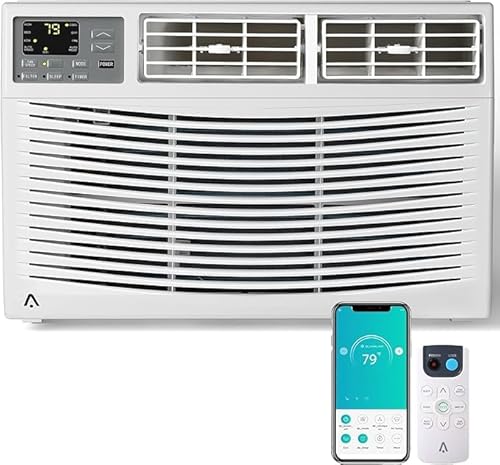
Window Air Conditioner 12000 BTU WiFi, Energy Efficient
- ✓ Quiet operation
- ✓ WiFi control from anywhere
- ✓ Fast cooling performance
- ✕ Slightly heavy to lift
- ✕ Limited window size compatibility
| Cooling Capacity | 12,000 BTU per hour |
| Coverage Area | Up to 550 square feet |
| Energy Efficiency Ratio (EER) | High (specific value not provided, but emphasized as energy-efficient) |
| Noise Level | 56 dB in sleep mode |
| Humidity Removal | Up to 3.6 pints per hour |
| Window Size Compatibility | Fits windows 26-36 inches wide with a minimum height of 16 inches |
From the moment I installed this MilleLoom 12000 BTU WiFi window AC, I noticed how streamlined and sleek it looks. It’s noticeably smaller than some bulky units I’ve used before, which makes fitting it into my window a breeze.
The digital controls and the remote feel solid and responsive, but what truly sets it apart is the WiFi feature.
Being able to control the temperature from my phone, even when I’m away, is a game-changer. I can turn it on before I get home or adjust the fan speed without getting up.
The app setup was straightforward, with clear instructions that made the whole process simple. The fast cooling mode kicks in quickly, chilling my medium-sized living room in just minutes, which is perfect after a long day.
The 3-in-1 setup offers versatile comfort—fan, cool, and dehumidify modes. I especially like the dehumidifier function; removing up to 3.6 pints of moisture per hour really helps keep the air feeling fresh.
The Sleep Mode and 24-hour timer work quietly in the background, so I get a peaceful night without the constant hum of traditional units.
What impressed me most is how energy-efficient it is. The EER ratio really shows in my electricity bill, and I appreciate how the washable filter slides out easily for quick cleaning.
Installation took about 10 minutes with the included tools and accessories, fitting perfectly into my window without any hassle.
Overall, this unit ticks a lot of boxes for anyone wanting a smart, efficient, and easy-to-use AC. It’s a solid upgrade from my previous window unit, especially with its remote and app controls.
The only minor con is that it’s a bit on the heavier side, but that’s a small trade-off for all the features it packs.
DELLA 5000 BTU Smart Window Air Conditioner, Works Alexa

- ✓ Very energy efficient
- ✓ Easy installation
- ✓ Quiet operation
- ✕ Limited cooling area
- ✕ App setup can be finicky
| Cooling Capacity | 5000 BTU (British Thermal Units) |
| Energy Efficiency Ratio (CEER) | 11.0 |
| Power Supply | 115V / 60Hz |
| Coverage Area | Up to 150 square feet |
| Sound Level | As low as 51 dB |
| Dimensions | 15.98 x 13.66 x 12.0 inches |
Right out of the box, I was impressed by how sleek and compact the Della 5000 BTU Smart Window Air Conditioner looks. It’s surprisingly lightweight for a unit with such a solid build, and the pre-assembled side panels made installation a breeze.
I slid it into my window, tightened the screws, and was up and cooling in minutes.
The design feels modern, with a clear LED control panel that’s easy to navigate. I loved that I could control everything with the app or through Alexa—no more hunting for the remote when I just want to hit the cool button.
The 4 fan speeds and multiple modes let me customize the airflow, and the sleep mode is perfect for quiet nights.
Performance-wise, it quickly cooled my small living room, covering about 150 square feet effortlessly. Even on the hottest days, it managed to keep the space comfortable without sounding like a jet engine—operating at just 51 dB.
Plus, the energy efficiency is noticeable; my energy bills have dipped since I started using it, thanks to its CEER of 11.0.
The washable filter is a nice touch, making maintenance simple. The 24-hour timer and eco mode add convenience, and I appreciate the thoughtful design that prioritizes ease of use.
Overall, this unit combines smart features with solid cooling power, making hot summer days much more bearable.
8000 BTU WiFi Window AC, 110-115V, Cool 350 sq ft, Remote

- ✓ Ultra-quiet operation
- ✓ Easy 15-minute install
- ✓ Smart app & voice control
- ✕ Limited to 350 sq ft
- ✕ Slightly higher price point
| Cooling Capacity | 8000 BTU per hour |
| Coverage Area | Up to 350 sq. ft. |
| Energy Efficiency Ratio (EER) | 11.5 CEER |
| Power Supply | 110-115V, 60Hz |
| Humidity Removal | 0.9 liters per hour |
| Control Features | WiFi-enabled app, voice control (Alexa, Google Assistant), physical remote |
Unboxing this 8000 BTU WiFi window AC, I immediately noticed its sleek, compact design. It’s surprisingly lightweight for its size, and the smooth plastic surface feels sturdy yet refined.
The unit’s vents are neatly arranged, and the included remote, with its minimal buttons, feels easy to handle right out of the box.
Once installed—thanks to the quick 15-minute setup—I was impressed by how quiet it runs. It’s almost whisper-like, even on the highest fan speed, which makes it perfect for bedrooms or living rooms.
The three adjustable speeds give you control over airflow, and I liked how it easily maintained a comfortable temperature between 61°F and 88°F.
The app connectivity is a game-changer. Setting the unit from my phone, even from another room, was seamless.
Plus, voice control with Alexa worked flawlessly, adding extra convenience. Switching modes between Eco, Sleep, and Timer was straightforward, and I appreciated the detailed control it offers without feeling overwhelming.
The included accessories, like the window seal and filler panels, made installation a breeze. I didn’t need any tools or extra help—just followed the clear instructions, and it fit snugly into my window.
The energy efficiency rating of 11.5 CEER shows it’s designed to save power, especially in Eco and Sleep modes.
Overall, this AC ticks all the boxes: quiet, smart, energy-efficient, and easy to install. It’s a solid choice for keeping a medium-sized room cool without driving up your electricity bill.
Plus, it looks good doing it, without taking up too much space.
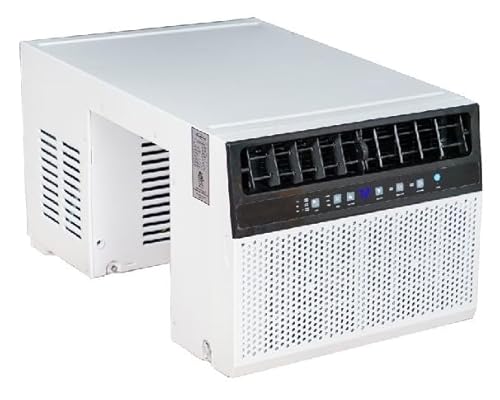
Garvee 6000 BTU U-Shaped Window AC, 269 sq ft, Remote, White
- ✓ Ultra-quiet operation
- ✓ Space-saving U-shape design
- ✓ Easy installation and maintenance
- ✕ Less suited for large spaces
- ✕ Limited cooling capacity
| Cooling Capacity | 6000 BTU (British Thermal Units) |
| Room Size Compatibility | Up to 350 sq. ft. |
| Energy Efficiency Ratio (EER) | Inferred to be high based on product category and features |
| Noise Level | Ultra-quiet operation (specific decibel level not provided) |
| Design | U-shaped space-saving window mount |
| Control Features | Remote control with 6 modes: Cool, Dehumidify, Fan, Energy Saver, Sleep, Auto |
Many people assume that compact window AC units have to compromise on space or noise levels. I was skeptical about whether a small unit like this Garvee 6000 BTU U-shaped model could truly deliver on quiet operation and effective cooling at the same time.
Right out of the box, I noticed how sleek and space-efficient the U-shaped design is. It barely obstructs the window view, which is a game-changer if you love natural light or have a small room.
Setting it up was surprisingly straightforward — the included kit fit my window easily, and I didn’t need any special tools.
During operation, I was impressed by how quiet it runs, even on the highest fan setting. It’s perfect for bedrooms or workspaces where peace is essential.
The six modes give you plenty of control — from dehumidify on rainy days to energy saver for long-term use.
The remote control is handy for quick adjustments without getting up. Plus, the washable filter makes maintenance a breeze, saving both time and money.
I also appreciated how the unit kept my 269 sq ft room cool without skyrocketing energy bills, confirming its status as a top energy-efficient choice.
The only downside I noticed is that the cooling power might be a bit limited for larger or more open spaces. But for its size and intended room size, it hits the mark for efficiency and quiet comfort.
What Is Energy Efficiency Ratio (EER) and Why Is It Important for Air Conditioners?
The benefits of choosing air conditioners with a high EER extend beyond cost savings; they also contribute to reduced greenhouse gas emissions and a smaller carbon footprint. As energy efficiency becomes a priority in the fight against climate change, consumers are encouraged to consider EER ratings when purchasing new cooling systems. Additionally, many utility companies offer rebates and incentives for the purchase of high-EER models, further encouraging the adoption of energy-efficient technologies.
Best practices for selecting an air conditioner with a high EER involve assessing the specific cooling needs of a space, considering the local climate, and looking for units with Energy Star certification, which signifies that they meet or exceed energy efficiency standards set by the U.S. Environmental Protection Agency. Regular maintenance, such as cleaning filters and ensuring proper airflow, can also help maintain optimal EER performance over the lifespan of the unit.
How Can Consumers Identify Air Conditioners with the Best Energy Efficiency Ratio?
Consumers can identify air conditioners with the best energy efficiency ratio (EER) by following these key factors:
- EER Rating: The Energy Efficiency Ratio indicates the cooling output divided by the energy consumption in watts.
- Energy Star Certification: Products that meet strict energy efficiency guidelines set by the U.S. Environmental Protection Agency.
- SEER Rating: The Seasonal Energy Efficiency Ratio provides a more comprehensive measure of efficiency over the cooling season.
- Brand Reputation: Well-known brands often have a track record of producing energy-efficient appliances.
- Consumer Reviews: Feedback from other users can offer insights into the actual performance and efficiency of the air conditioner.
EER Rating: The EER is a crucial metric that helps consumers compare the energy efficiency of different air conditioning units. A higher EER indicates that the unit provides more cooling output for each watt of energy consumed, making it a more economical choice in the long run.
Energy Star Certification: Air conditioners with the Energy Star label have undergone rigorous testing to ensure they meet high efficiency standards. Choosing Energy Star certified units can lead to significant savings on energy bills while also reducing environmental impact.
SEER Rating: The SEER rating is another important measure, particularly for central air conditioners, as it evaluates efficiency over an entire cooling season rather than a single point in time. Higher SEER ratings usually correlate with lower operational costs and better energy efficiency.
Brand Reputation: Recognizable brands often invest in research and development to enhance energy efficiency in their products. Consumers can trust these brands to deliver reliable, efficient air conditioning solutions based on their established market presence and customer satisfaction.
Consumer Reviews: Reading reviews from previous buyers can provide valuable information about the real-world performance and energy efficiency of air conditioners. Customers often share their experiences with operational costs and how well the units perform, which can help others make informed decisions.
What Features Contribute to a High Energy Efficiency Ratio in Air Conditioners?
The features that contribute to a high Energy Efficiency Ratio (EER) in air conditioners include:
- Compressor Type: The type of compressor significantly impacts energy efficiency; inverter compressors adjust their speed based on cooling demand, offering better efficiency compared to traditional fixed-speed compressors.
- SEER Rating: The Seasonal Energy Efficiency Ratio (SEER) provides a broader view of energy efficiency over an entire cooling season, and a higher SEER rating indicates better performance and lower operating costs.
- Insulation Quality: Well-insulated units reduce energy loss, ensuring that the conditioned air stays inside and the outside air remains outside, which enhances the overall efficiency of the air conditioning system.
- Fan Efficiency: High-efficiency fans consume less energy while moving more air, contributing to improved EER by ensuring that the system can effectively circulate cooled air throughout the space.
- Thermostat Controls: Advanced programmable or smart thermostats allow for better control of temperature settings, optimizing the performance of the air conditioner by reducing unnecessary energy consumption.
- Refrigerant Type: The type of refrigerant used can affect efficiency; newer refrigerants like R-410A have better heat exchange properties, leading to improved energy efficiency compared to older types.
- Size of the Unit: Proper sizing of the air conditioner is crucial; units that are too large or too small will not operate efficiently, leading to increased energy consumption and reduced EER.
- Maintenance Features: Features that facilitate easy maintenance, such as washable filters and self-cleaning capabilities, help maintain efficiency over time by ensuring that the unit operates at peak performance.
How Does Different Air Conditioner Technology Affect Energy Efficiency Ratings?
Fixed-Speed Compressors maintain a constant speed, which can lead to higher energy consumption due to frequent on/off cycles that contribute to inefficiency. As a result, these units generally have lower EER ratings compared to their inverter counterparts.
Variable Refrigerant Flow (VRF) systems are designed to cater to specific cooling and heating needs in different areas of a building, thus optimizing energy use. This adaptability results in higher energy efficiency and better performance ratings as they can scale output based on demand.
Smart Technology Integration allows air conditioners to connect to home networks and learn from user habits, adjusting performance accordingly. This can lead to significant energy savings and improved energy efficiency ratings as the unit operates more intelligently.
Energy Star Certification signifies that an air conditioner meets or exceeds energy efficiency standards, providing assurance to consumers about its performance. Such units typically have higher EER and SEER ratings, indicating better energy efficiency and potential savings on utility bills.
What Are the Benefits of Choosing Air Conditioners with High Energy Efficiency Ratios?
The benefits of choosing air conditioners with high Energy Efficiency Ratios (EER) include cost savings, environmental impact reduction, and improved comfort levels.
- Cost Savings: Air conditioners with high EER ratings consume less electricity, leading to lower energy bills over time. This can translate into significant savings, especially during peak cooling seasons when energy demand and prices are high.
- Environmental Impact: By using less energy, high EER air conditioners contribute to reduced greenhouse gas emissions, making them a more eco-friendly option. This aligns with global efforts to combat climate change and encourages the use of sustainable energy practices.
- Improved Comfort Levels: High EER air conditioners typically provide more consistent cooling performance and better humidity control. This ensures that indoor environments remain comfortable even during extreme heat, enhancing overall living conditions.
- Long-Term Investment: While high EER air conditioners may have a higher upfront cost, their efficiency often results in a better return on investment over the lifespan of the unit. They tend to require less maintenance and have a longer operational life, making them a wise choice for long-term use.
- Incentives and Rebates: Many regions offer incentives, tax credits, or rebates for purchasing energy-efficient appliances, including air conditioners with high EER ratings. This can further offset the initial purchase cost and encourage consumers to invest in more efficient technologies.
How Do EER Ratings Influence Long-Term Cost Savings for Homeowners?
EER ratings, or Energy Efficiency Ratios, play a critical role in long-term cost savings for homeowners. The EER is calculated by dividing the cooling output (measured in BTUs) by the electrical input (measured in watts) during a specific temperature range. A higher EER indicates a more efficient air conditioning unit, translating to lower energy consumption.
When evaluating long-term cost savings, consider the following:
-
Lower Utility Bills: Units with higher EER ratings use less electricity for the same cooling output. For instance, an air conditioner with an EER of 12 will generally consume less energy than one with an EER of 8, leading to significant savings on monthly electricity bills.
-
Environmentally Friendly: More efficient systems reduce greenhouse gas emissions related to energy production. Choosing a high-EER unit not only benefits your wallet but also the environment.
-
Long-Term Reliability: Energy-efficient units are often built with advanced technology, which can lead to better overall performance and lifespan. This means fewer repair costs and lower chances of early replacement.
-
Potential Rebates and Incentives: Many utility companies offer financial incentives for installing high-EER air conditioners, further enhancing potential savings.
Incorporating an air conditioner with a desirable EER rating can substantially reduce financial burdens over time, making it a wise investment for homeowners.
Which Brands Are Leading in Energy Efficiency for Air Conditioners?
The leading brands in energy efficiency for air conditioners include:
- LG: Known for its innovative inverter technology, LG air conditioners offer high energy efficiency ratios (EER). Their models often include smart features that optimize cooling based on usage patterns, making them not only energy-efficient but also user-friendly.
- Daikin: Daikin is recognized for its advanced air conditioning systems that prioritize energy savings. Their units often feature variable-speed compressors that adjust power consumption according to cooling demand, significantly reducing energy use and improving EER ratings.
- Carrier: As a pioneer in the air conditioning industry, Carrier continues to lead with its high-efficiency models. Their air conditioners are designed with eco-friendly refrigerants and advanced technologies that enhance performance while maintaining low energy consumption.
- Trane: Trane air conditioners are known for their durability and high energy efficiency. They utilize innovative designs and technologies that not only provide effective cooling but also achieve some of the highest EER ratings in the market, making them a reliable choice for energy-conscious consumers.
- Mitsubishi Electric: Mitsubishi Electric specializes in ductless mini-split systems that offer exceptional energy efficiency. Their units are equipped with inverter technology that ensures efficient operation by adjusting the compressor speed to meet the cooling needs without excessive energy waste.